 LOCAL FIT KUMANOBack to list
Wakayama's "Hidden Places" Are More Than Just Dots Deep on the Map
Search for "Wakayama hidden gems" and you'll find all sorts of places coming to mind—deep gorges, mountain villages, quiet stretches of ancient trails. The Kii Peninsula is a land where steep mountains press all the way down to the sea, and the Kii Mountains, like the peninsula's spine, still hold many places where silence lingers.
From a local's perspective, the appeal of a "hidden place" isn't the remoteness itself. You wind along curving roads, the scenery shifts bit by bit, and before you know it the very air feels different. That "process of arriving" is itself an essential part of the journey.
Here, focusing mainly on the Kumano area, we've organized our thinking around three angles: water, mountains, and villages.
Hidden Waters | Giving Yourself Over to the Flow of the Rivers
Kumano is also a "land of rivers." Water pouring down from the mountains carves deep pools, polishes rock faces, and shapes landscapes found nowhere else.
The Kitayama and Koza River Basins
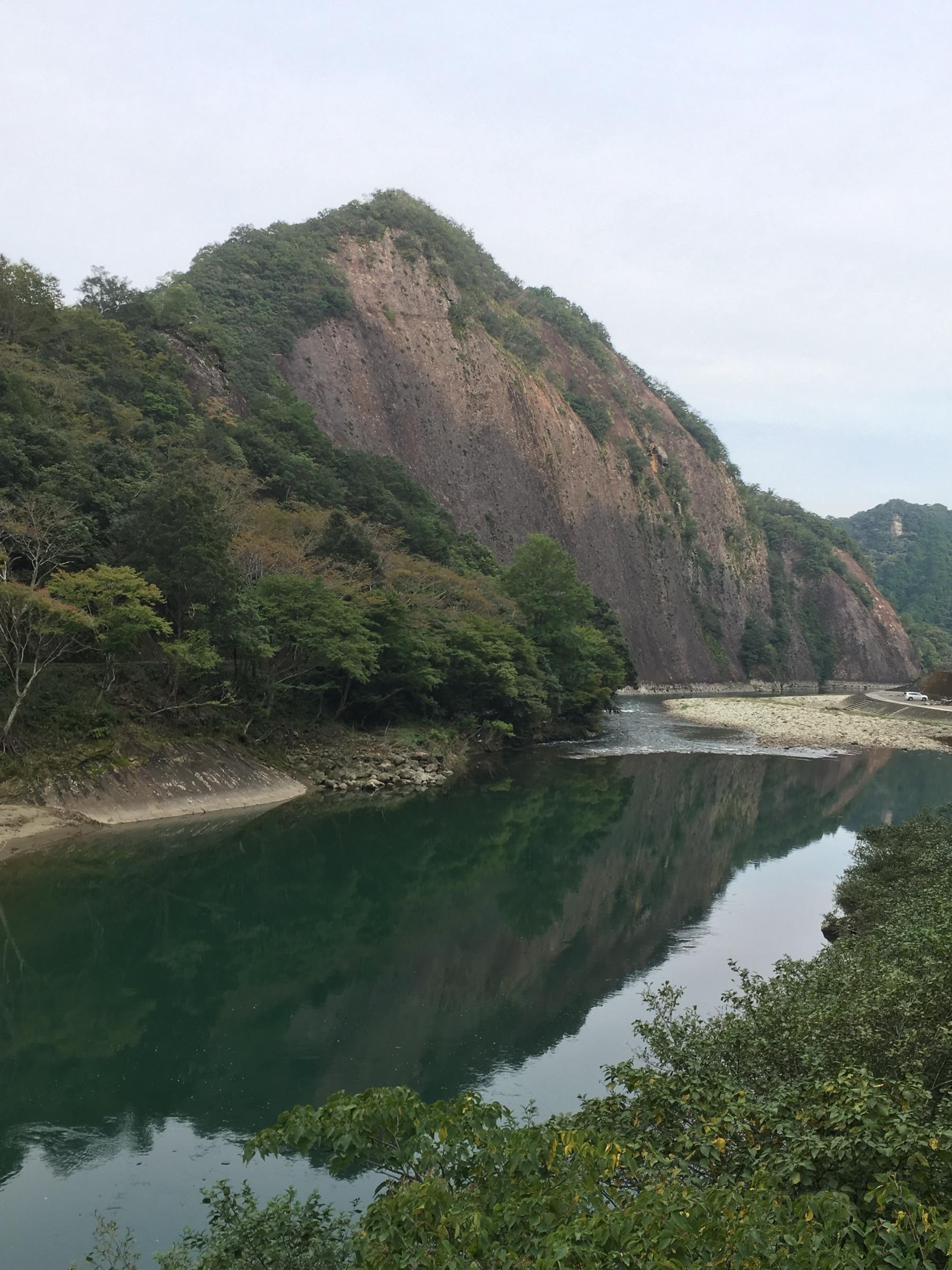
The Kitayama River gorge is well known, but southern Wakayama is also home to rivers like the Kozagawa, famed for its crystal-clear waters and massive rock formations. Spots for enjoying the river's rock sculptures are scattered throughout the Kozagawa basin.
At these hidden waterside places, the sound and color of the water take center stage. Simply parking the car and gazing absently at the river's surface is enough to make a trip worthwhile.
Hidden Mountains | Feeling "Human Traces" on Ancient Trails and Ridgelines
Some sections of the Kumano Kodo stand in quiet contrast to the bustle of the World Heritage core routes. On trails that cross ridges or wind over mountain passes, it's not unusual to go long stretches hearing only birdsong and your own footsteps.
Routes like the Kohechi, which connects Koyasan and Kumano, are representative of trails where you can feel the depth of the mountains. However, they involve serious mountain hiking, so rather than thinking of them as a casual day trip, it's important to research sections, distances, and elevation changes and choose a route within your limits.
Hidden Villages | Where Daily Life Still Clings to the Mountain Slopes
In Kumano's mountain hamlets, you'll find villages where houses seem to cling to steep slopes. The Hatenashi settlement in Hongu, for instance, is known for its sweeping views and the quiet charm of the old road running through it.
Before being tourist sites, these villages are places where people still live today. When taking photos, don't step onto private land or into fields, walk quietly, and take your trash with you. These simple courtesies are what preserve the stillness of these hidden places.
Five Tips for Enjoying Hidden-Place Travel Safely
1. Allow plenty of time for travel: Mountain roads take longer than you'd expect. The basic rule is not to pack your schedule too tightly.
2. Check road conditions before setting out: Roads can be closed after heavy rain. Confirm the latest information through local government or road information sources.
3. Refuel and stock up on drinks and snacks early: Shops are few in mountain areas, and they often close early.
4. Don't rely too heavily on mobile signal: Save maps in advance, and agree on meeting points and communication methods beforehand.
5. Return to your base before sunset: Valleys grow dark very quickly in the evening.
Summary | A Journey to Enjoy "Nothing in Particular"
Sightseeing in Wakayama's hidden corners isn't about hitting a long list of showy attractions. Listen to the sound of the river, breathe in the air of a mountain trail, and quietly show respect for life in the villages. That quiet time is the luxury that feels most like Kumano.
Try narrowing your plan down to just one place, and build your schedule—travel time included—around the idea of "savoring it slowly."
Image: 古座川 一枚岩 (via (公社)和歌山県観光連盟)


