 LOCAL FIT KUMANOBack to list
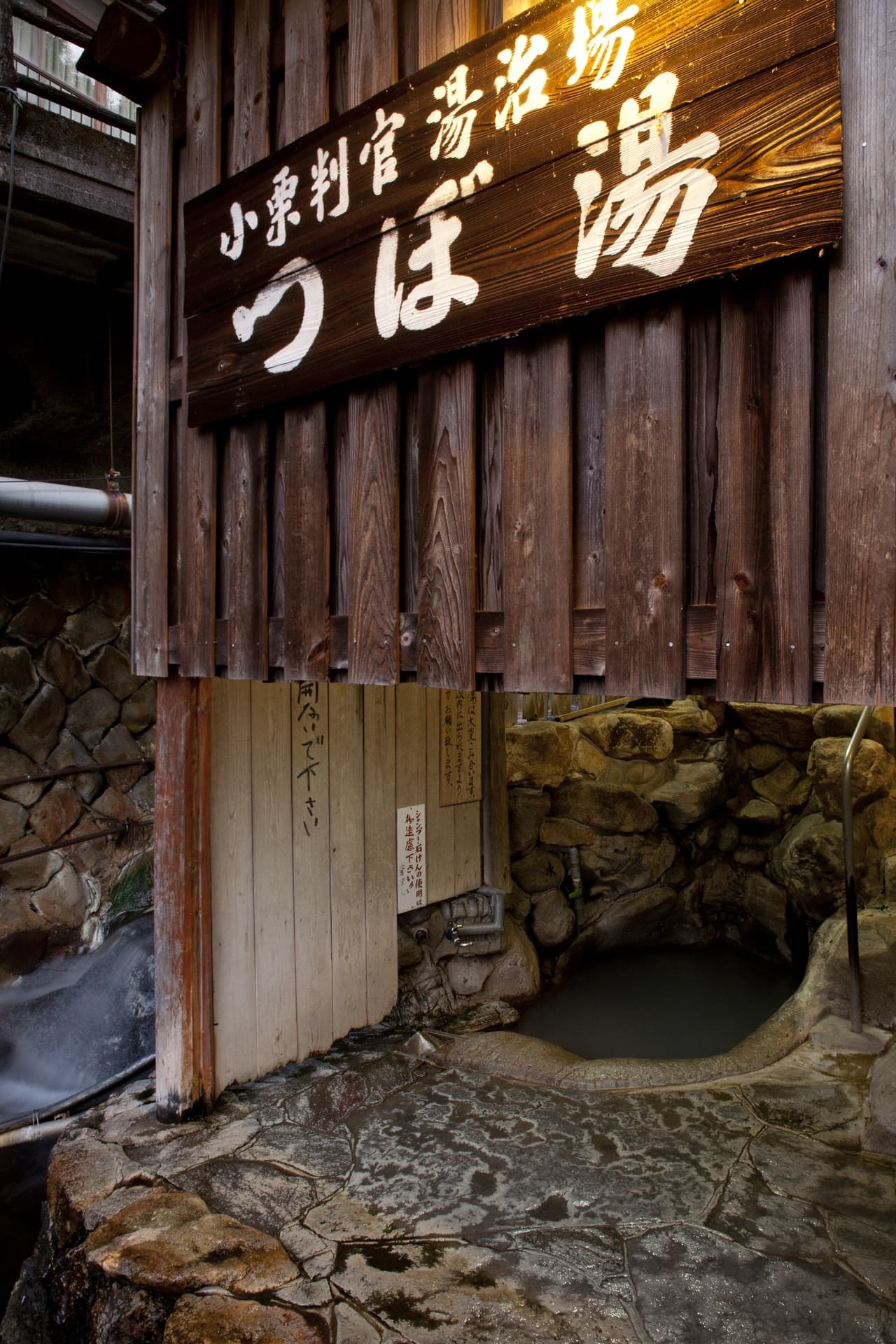
Why Is Tsubo-yu a World Heritage Site? What to Know First
Tsubo-yu, a small rock bath at Yunomine Onsen (Hongu-cho, Tanabe City), is known as one of the component sites of the UNESCO World Heritage 'Sacred Sites and Pilgrimage Routes in the Kii Mountain Range.' Many visitors wonder, 'Why is a bath a World Heritage site?'
The heart of the answer lies in the fact that the hot spring was part of the religious practice of the Kumano pilgrimage. Tsubo-yu is valued not as a tourist bath, but as a 'place of prayer' passed down alongside the pilgrimage routes. Often introduced as a World Heritage site you can actually bathe in, it is a truly rare existence.
Reason 1: It Was a Site for the 'Yugori' Ritual of the Kumano Pilgrimage
People heading to Kumano Hongu Taisha have long cherished the custom of purifying themselves before worship. In contrast to 'mizugori,' purification with river water, at Yunomine the tradition was 'yugori'—purification by immersing oneself in the hot spring.
For pilgrims who had walked long distances, Yunomine was an important stopover just before Hongu, a place to rest tired bodies and settle the mind. The fact that the hot spring was part of the continuous flow of 'walking,' 'purifying,' and 'praying' underpins the value of Tsubo-yu.
Reason 2: It Is Connected to the Landscape of the Pilgrimage Route
Yunomine Onsen is a hot spring town along the Nakahechi route of the Kumano Kodo. The scenery of a village with steam rising through a valley is inseparable from the memory of the pilgrimage.
Not just a single building or bath, but the way the paths, settlement, and faith remain intact as a whole, aligns with the concept of a cultural landscape embodied in the 'pilgrimage routes.' Around Tsubo-yu, places that evoke the connection between hot springs and faith—such as the Yuzutsu (hot spring cooking spout) and Toko-ji Temple, which enshrines Yakushi Nyorai—are nestled close by.
Reason 3: The Culture of 'Bathing in the Waters' Continues Today
One of its great appeals is that it is not merely viewed as a historical remain—the practice of bathing in its waters continues to this day. When you soak inside the small enclosure, you can imagine, if only a little, the moments when pilgrims lowered themselves into the very same waters.
Things to Know Before You Visit
- Tsubo-yu is a very small bathhouse, so it's a good idea to check the bathing procedure, hours, fees, and crowd conditions in advance on-site or through official information.
- It is also a precious cultural property. Please bathe quietly and be considerate of those waiting their turn.
- Yunomine Onsen is also known for the fun of boiling onsen eggs and wild vegetables near the Yuzutsu. When strolling, watch your step for slippery surfaces and be careful of the hot water's temperature.
- Making it the finale of a day spent walking the Kumano Kodo lets you truly feel the meaning of 'walking to purify oneself.'
A Word from a Local Perspective
What makes Tsubo-yu feel like a World Heritage site is not any grand architecture, but rather the fact that a pilgrimage custom spanning over a thousand years is still alive today. More than just a tourist attraction, spending time here while thinking, 'our ancestors also purified themselves in this very place,' makes the warmth of the water feel all the more profound.
Before or after your visit to Kumano Hongu Taisha, be sure to take a walk through the valley of Yunomine. Amid the quiet rising steam, you'll surely come to understand why Kumano has long been called 'the land of rebirth.'
Image: 湯の峰温泉 つぼ湯 (via (公社)和歌山県観光連盟)


