 LOCAL FIT KUMANOBack to list
A Short Detour from the Town of Tanabe to a "Garden of the Sea"
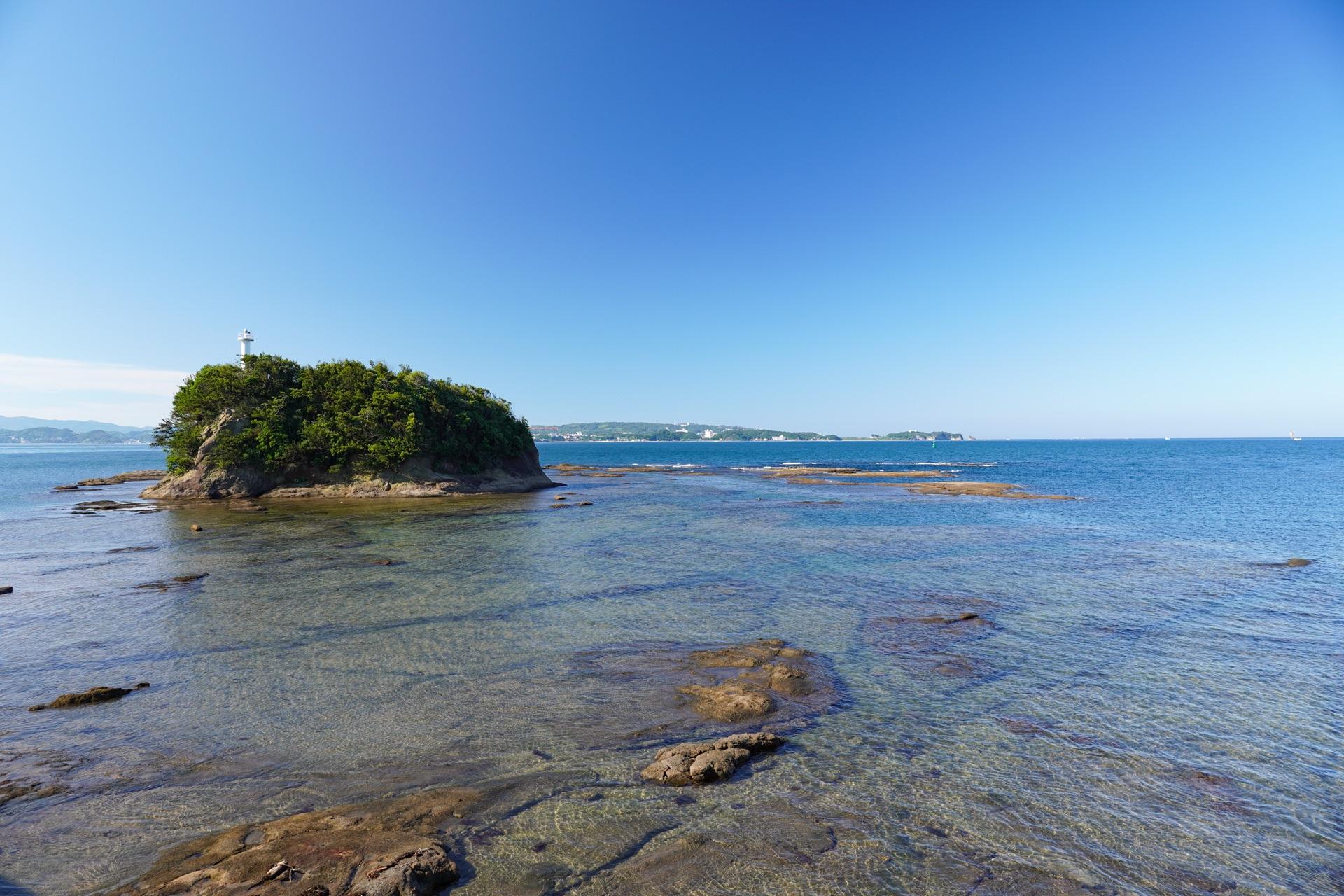
Many travelers heading for the Nakahechi route of the Kumano Kodo pass through Tanabe. In the town center you'll find Tokei Jinja Shrine and shopping streets, but if you venture a little toward the sea, you'll encounter a completely different kind of scenery. That place is Tenjinzaki, a cape jutting out to the south of Tanabe Bay.
A rocky shoreline spreads out from the tip of the cape, and when the tide recedes, water remains in hollows in the rocks, forming tide pools. This is, in a sense, a tiny garden created by the sea. It isn't a flashy, dramatic view, but it's a place where the more you crouch down and peer in, the more discoveries you'll make.
Knowing the Story of "the Cape That Was Saved"
Tenjinzaki is known as the place where, when development plans arose, local residents raised their voices saying "we want to preserve this shore," leading to a movement that protected the land through donations and other means. It is often introduced as a pioneer of Japan's National Trust movement, and efforts to cherish its nature continue to this day.
Tanabe is also the town where Minakata Kumagusu deeply observed the creatures and forests of Tanabe Bay. Time spent quietly peering at tiny creatures by the sea seems somehow connected to the memory of such a place.
How to Walk the Tide Pools | Three Points to Keep in Mind
1. Plan Backward from the Tides
The main character of a shore walk is "the tide." Before heading out, check the tide table for the Tanabe area to confirm the time of low tide. The rocky shore is widely exposed around low tide, making observation easier. On the other hand, as the tide turns to flood, the water level around your feet can rise before you notice, so give yourself plenty of time to turn back early.
2. Prepare Your Footwear and Clothing
The rocks are surprisingly slippery due to seaweed and moisture. Shoes with sturdy soles that can get wet are reassuring. Avoid sandals and leather shoes, and keep your hands free by not carrying bags — this is safer. Since there's little shade, a hat and a drink are also reliable companions.
3. Don't Touch Too Much, Don't Take Anything Home
Tide pools hide a variety of creatures — crabs, shellfish, hermit crabs, sea anemones, small fish, and more. When you find one, first simply observe quietly. If you turn a stone over, return it to its original position, and leave the creatures as they are — this is basic etiquette. This is a shoreline that has been protected, and it's a garden shared by everyone.
The Knack of Observing: "Slowly, Low, and Quietly"
When peering into a tide pool, shift your angle slightly so that your shadow doesn't fall on the water surface — this makes it easier to see beneath. At first it may seem like nothing is there, but if you stay still for a few minutes, creatures will quietly begin to emerge from the shadows of the rocks.
If you're with children, setting small challenges like "how many colors of creatures can we find?" makes it more fun. Seniors need not push all the way to the tip of the cape — simply spending time slowly on the safer footing nearer the shore is more than enough to enjoy.
A Quiet Interlude Before or After Walking the Old Road
Between days spent aiming for "walking distance" on journeys like the Kumano Kodo, inserting time spent "crouching down to look" at a place like Tenjinzaki softens the rhythm of your trip. As evening approaches, the sea surface is dyed in soft colors, and the sound of the waves seems to slow down.
The weather, the state of the sea, and the tides change greatly from day to day. On rough days, don't push yourself — simply gazing at the sea from a distance is enough. Planning your schedule around the tides — this gentle style of travel may itself be one of the ways to enjoy Kumano.
Image: 天神崎 (via (公社)和歌山県観光連盟)


