 LOCAL FIT KUMANOBack to list
When you hear the word "mochi-gatsuo" in Tanabe in spring
In spring, Kii-Tanabe sees a modest buzz around the station from ancient-road hikers and people heading home from business trips. In this season, one word you'll often hear at local tables and restaurants is "mochi-gatsuo."
Many people, hearing the name, picture a chewy, mochi-like mouthfeel. However, the origin of the name, the peak season, and even which fish it refers to can vary slightly depending on who's talking or which restaurant you ask. Rather than digging into detailed definitions, this article focuses on tips for encountering it as a spring delicacy in Tanabe City.
From Kii-Tanabe Station to Mikoji: get a sense of the distance first
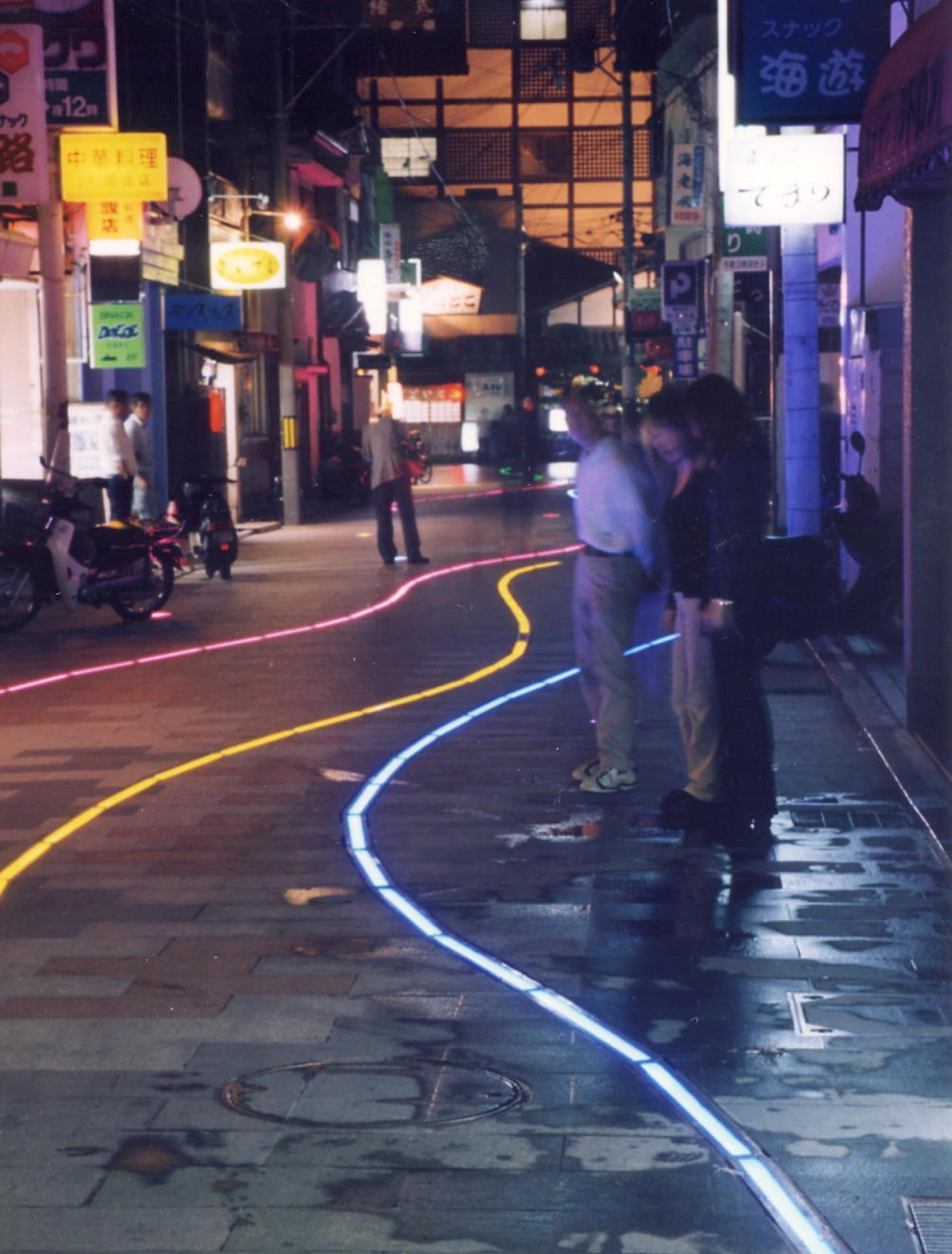
Mikoji is a small alley lined with little eateries, within walking distance of Kii-Tanabe Station. Step one block in from the main street in front of the station, and the atmosphere changes completely.
If you find the alley entrance hard to spot, it's reassuring to check its location on a map app before you set out. We've covered how to walk the alley in another article, so here we'll focus on the hunt for something to eat.
Early evening is the easiest time to move around
In spring, the days are gradually getting longer, making it a good season to finish a stroll and then head into the alley. Still, popular shops fill up quickly. Arriving a little early and comparing a few storefronts before deciding will give you more peace of mind.
Whether you'll find mochi-gatsuo depends on "today's catch"
Fresh fish supply changes with the weather and how the fishing goes. You can't guarantee that "if you go in spring, you'll definitely get to eat it."
- Go with the mindset that it'd be nice if you find it
- Even if it's not on the menu, try asking the staff
- On days when you can't find it, enjoy other local fish in season
Keep these three in mind, and even a "miss" becomes a travel memory.
Examples of how to ask at a restaurant
Before ordering, try asking something like the following:
1. "Do you have mochi-gatsuo today?"
2. "How do you recommend eating it?"
3. "What other local fish do you have today?"
Sometimes you'll get to hear about the origin of the name or its texture. Being taught local expressions unique to the area is one of the pleasures of alley-walking.
Ordering tips | Combine small portions
Bonito is served in many ways depending on the shop—sashimi, tataki (lightly seared), and more. If you're traveling solo or as a pair, ordering a variety of small dishes lets you compare the different flavors.
- Start with sashimi or a dish that highlights the ingredient's flavor
- Then add the shop's signature dish or a local specialty
- Choose something light to finish, and leave yourself enough time for your train home
Prices and availability vary by shop, so if you're concerned, it's safer to check before ordering.
Combine it with a spring Tanabe stroll
If you're having dinner at Mikoji, we also recommend spending the daytime walking around the station area. Known as a gateway to the Kumano Kodo, this town has plenty of easy stops—places with a sense of history, scenery close to the sea, and more. Working up an appetite on foot before heading into the alley makes the spring flavors all the more enjoyable.
Decide your way home first
As fun as the nighttime alley is, it's easy to linger too long. Check the time of the last train or bus before you start eating. Even if your lodging is near the station, you'll be walking through dimly lit alleys, so wearing comfortable shoes is a safer bet.
Summary | Let a name be your starting point for local stories
Mochi-gatsuo is one of the words that represents spring in Tanabe. On days when you find it, savor that plate; on days when you don't, enjoy a different local fish—both make for memories that feel distinctly like spring in Kii-Tanabe. Please take a relaxed walk from Kii-Tanabe Station to Mikoji.
Image: 味光路 (via (公社)和歌山県観光連盟)


