 LOCAL FIT KUMANOBack to list
'Mochi-Gatsuo': A Taste of Tanabe Defined by Texture
Around springtime in Tanabe, you'll hear the word 'Mochi-Gatsuo' (literally 'mochi bonito'). As the name suggests, it's said to be called this because the flesh has a sticky, springy, mochi-like elasticity. When you think of bonito (katsuo), you might picture light red meat or seared tataki. But eaten as sashimi, you'll notice a difference in the bounce of the first bite and the umami that unfolds afterwards.
Availability and handling vary depending on the day's catch and each restaurant's circumstances. When traveling, it's best to approach it with an attitude of 'a happy encounter if it's on the menu.'
Three Perspectives for Enjoying Bonito Sashimi
1. Try the First Slice 'With Nothing On It'
When it arrives, take the first slice without soy sauce. As it enters your mouth, try to notice the elasticity, aroma, and sweetness in that order. When you add condiments or soy sauce afterwards, you'll clearly sense how the flavor changes.
2. Change the Expression with Condiments
Classic condiments like ginger, garlic, scallions, and myoga can completely change the impression of the same sashimi.
- Ginger: Crisp and clean, bringing out the flesh's sweetness
- Garlic: Adds richness, pairs well with sake
- Scallions and myoga: Layered aromas create a light, refreshing finish
How condiments are served varies by restaurant. Start with what's provided, and if you want more, feel free to ask.
3. Compare 'Tataki' and 'Sashimi'
Tataki, with its surface lightly seared, offers a dish with added fragrance that's easy to enjoy. Sashimi, on the other hand, delivers the texture of the flesh itself straight to you. If a restaurant serves both, one way to enjoy them is to order small portions of each and compare.
Nights on Miko-ji Street: Pairing with Local Fish
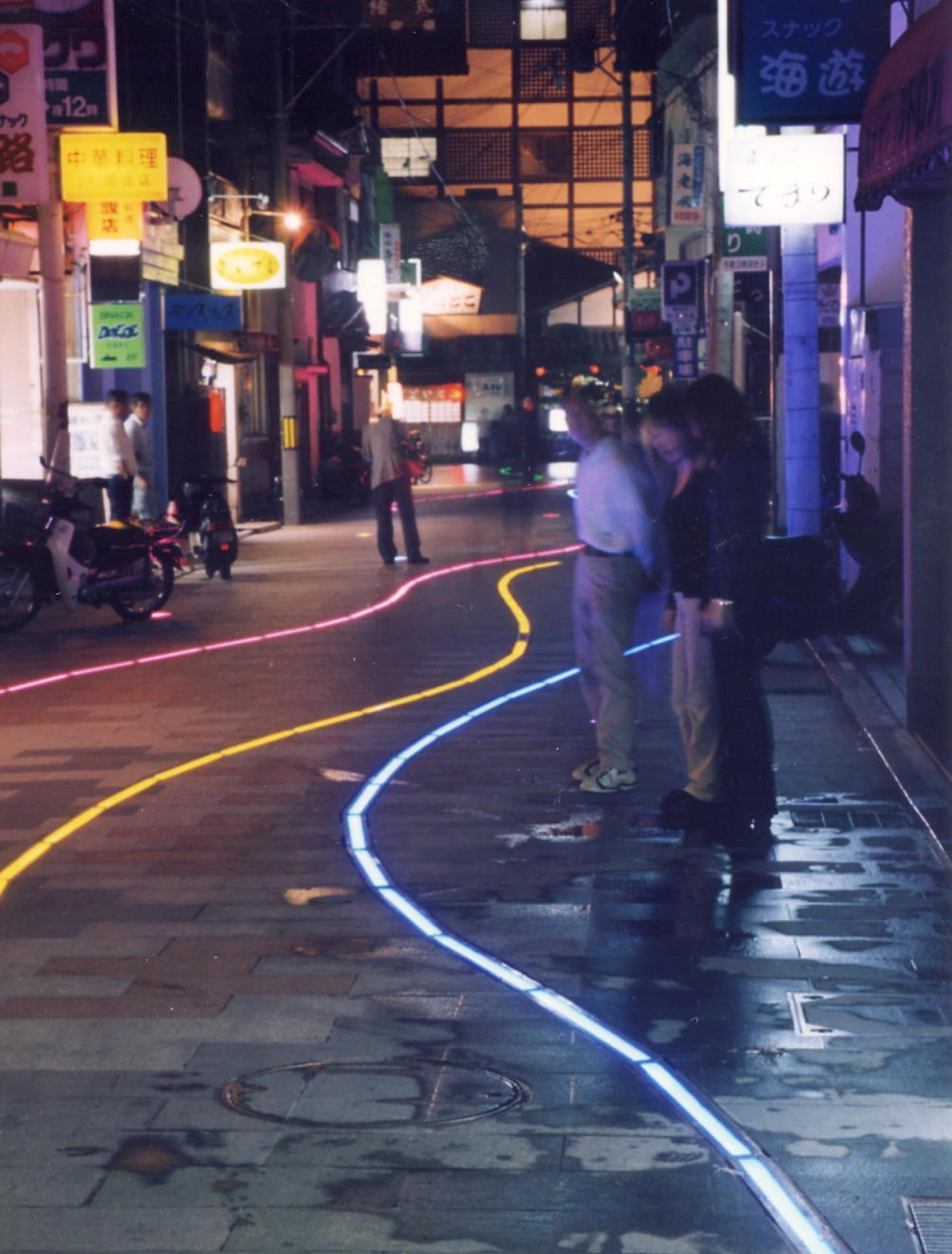
Miko-ji, within walking distance of JR Kii-Tanabe Station, is an alley-style nightlife district lined with small eateries. Beyond bonito sashimi, lining up several catches of the day gives you the feel of a true seaside town's table.
Here's one example of how to build your meal:
1. Sashimi (bonito plus white-fleshed fish or shiny silver fish): Enjoy the textural differences between fish
2. Grilled or simmered dishes: Savor richer, fattier fish slowly
3. A closing dish: Rice or soup — leave it to the restaurant's recommendation
What's available changes by the day, so rather than relying too much on the menu, feel free to ask, 'What's the local fish today?' If you're in a small group, it's reassuring to ask whether smaller or half portions are possible so you don't over-order.
For Drinks, Choose Something That Complements 'Fat and Fragrance'
Bonito's umami pairs beautifully with crisp, dry sake or drinks with citrus aromas. If you don't drink alcohol, cold tea or sparkling water is a great choice to refresh your palate as you eat.
Trip Planning Notes
- On days when you've walked the Kumano Kodo, returning to the station in the evening and taking a short break before heading to Miko-ji will keep you from feeling rushed.
- Check your return train time in advance, and arriving at the restaurant early gives you more leeway.
- Business days, hours, and reservation policies vary by restaurant, so it's safest to confirm in advance.
Summary
Tanabe's Mochi-Gatsuo is a dish that lets your tongue verify the words 'springy texture.' Take the first slice plain, enjoy how condiments change the flavor, and savor it alongside other local fish. A night on Miko-ji will quietly cradle the lingering afterglow of your walk on the ancient path.
Image: 味光路 (via (公社)和歌山県観光連盟)


