 LOCAL FIT KUMANOBack to list
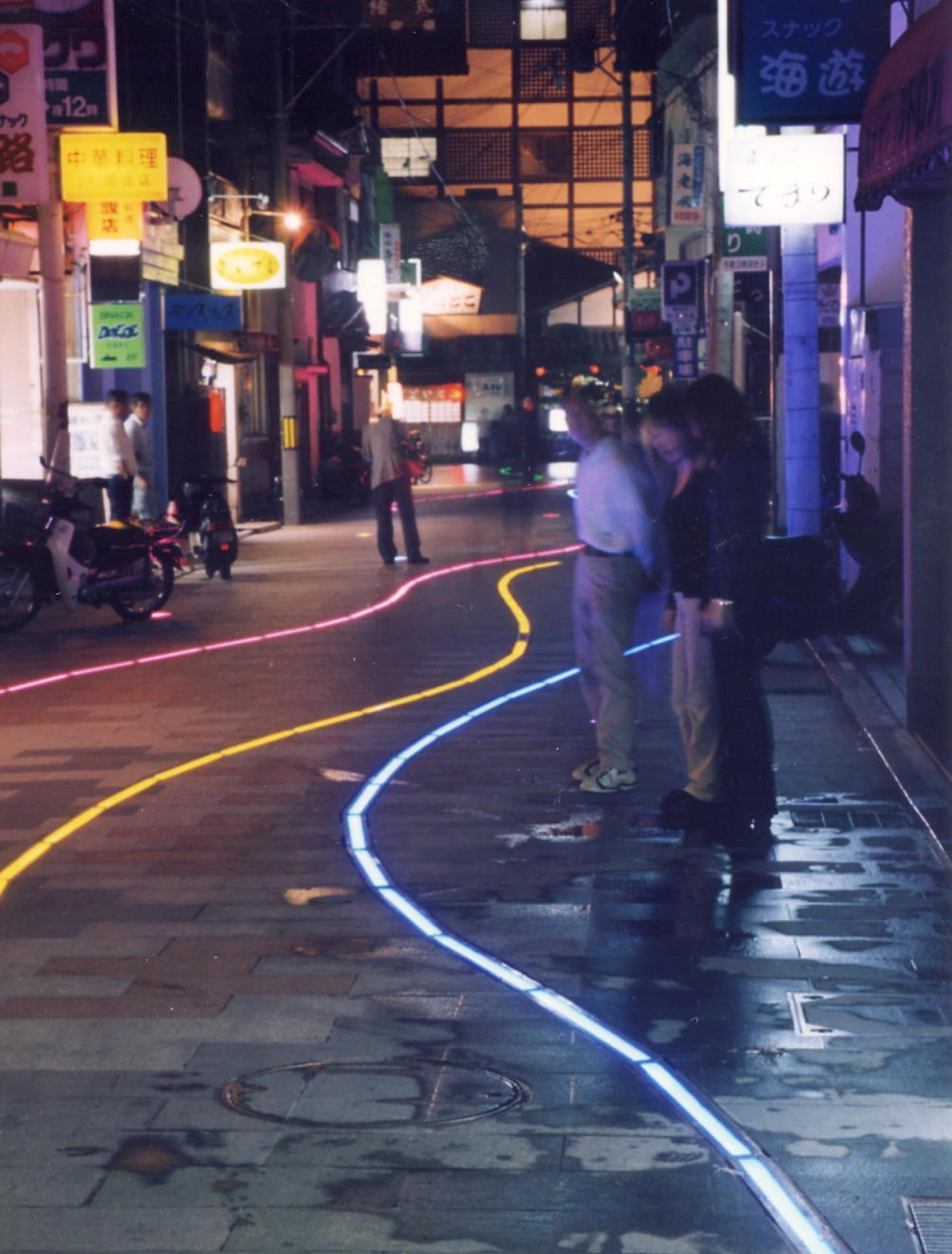
On the evening after walking the Kumano Kodo, or the night before heading to Shirahama or Hongu — if you're searching for "Tanabe izakaya recommendations" around Kii-Tanabe Station, you're probably looking for "the one place that fits you and your companions that day."
Rather than listing specific restaurants, this article organizes how to choose based on who you're with and how many people you are. We'll also touch on how to enjoy the autumn foliage on the Kodo in late autumn and how to plan the transition into evening. Business days and prices can change, so please check each restaurant's latest information directly.
Why Dinner in Tanabe Is Something to Look Forward To
Tanabe is a port town facing Tanabe Bay, and a short trip out brings you into plum-growing country. As a result, izakayas here often feature the quintessentially Kishu combination of seafood and plum. Dining spots are clustered within walking distance of the station, making it easy to move around after a train journey or a day on the Kodo.
On Days You've Walked the Late-Autumn Kodo, Look for "Accent Colors"
If you're walking the Kumano Kodo in late autumn, knowing the character of the Kodo's foliage before dinner will make planning your day much easier.
Kumano's Foliage Isn't "Blazing Mountains" — It's "Accent Colors"
Search for "Kumano Kodo autumn leaves" and you might picture mountain ranges glowing bright red. But Kumano's mountains are dominated by the deep green of cedar and cypress. The foliage shows itself in a subtle, understated way, with maples, sumac, and wild cherry leaves peeking out among the green.
Spotting a single red or yellow branch catching the light in the dim cedar grove leaves a lasting impression. It's foliage you "find while walking" rather than "survey across a wide landscape." Having this mindset will make your trip more rewarding.
How You Enjoy It Depends on the Type of Path
- Stone-paved, moss-covered paths: On these deep-green routes, fallen leaves resting on stones and moss are a highlight too. Look down at your feet as well as up at the canopy.
- Paths connecting villages and rural areas: Routes dotted with fields, houses, and small shrines open up to the sky, where persimmons and yellow leaves blend with the Kodo scenery. These are places where your pace naturally slows.
- Riverside and valley paths: Morning mist and reflections on the water add atmosphere to the foliage. The footing tends to be damp, so wear non-slip shoes.
Make Light and Timing Your Allies
On the Kodo's deep forest paths, the angle of sunlight dramatically changes how things look.
- Morning hours: Slanting light filters in, making it easier to see leaves glowing with translucence.
- Cloudy days: Colors appear more muted, making for soft, atmospheric photos.
- Evening: Sunset comes early in this season, and the valleys get darker than you'd expect. Plan to finish walking early.
Kumano's foliage is generally said to peak from late November to early December. However, this shifts year to year with temperature and elevation — higher paths color first, while lowlands near the sea tend to lag. Check with the local tourism association or official sources right before your visit, and be prepared for either "a bit early" or "slightly past peak." Even if you miss the peak, the quiet Kodo at winter's doorstep has its own appeal.
What to Bring and How to Prepare Before Walking
- Layers: Mornings and evenings are chilly, but you'll work up a sweat walking. Clothes that are easy to put on and take off are convenient.
- A headlamp or other light: With early sunset, having one as backup is reassuring.
- Rain gear: Mountain weather changes quickly, so bring something that folds up small.
- Watch for fallen leaves: Wet leaves make stone paths and dirt trails slippery. Step carefully.
Savor Both the Pilgrimage and the Foliage
The Kumano Kodo has always been a path walked for prayer. Don't get so caught up in hunting for foliage that you forget to pause at oji shrines and temples to offer a quiet moment. Walking with a calm heart actually makes it easier to notice the small spots of color.
Rather than chasing foliage spots as "points," walk one section of the Kodo as a "line." That's the Kumano way to enjoy it — and the drink at the end of such a day tastes all the better.
Solo Travelers: Look for "Counter Seats" and "Small Plates"
If you're going alone, first check whether there's counter seating. Conversations with the owner or regulars can lead to tips on the day's specials or local ways of eating.
- Ask about portion sizes when ordering sashimi assortments
- Focus on small-plate items like simmered dishes or grilled fish that you can try one at a time
- On days when Kodo fatigue lingers, start with something warm before alcohol
You can get a sense of "whether it's welcoming to solo diners" from the entrance and the wording of reviews. When in doubt, calling ahead to ask if solo guests are welcome brings peace of mind.
Couples: Prioritize "Seating Where You Can Talk"
For couples, the distance between seats and the quietness make a big difference. A raised tatami area or semi-private room lets you talk at leisure about the day's walk. Quiet seating makes it easier to share moments like "wasn't that one red leaf beautiful?"
- Ask what local fish is available today and share a dish between you
- Taste small pours of plum liqueur and local sake to compare
- End with a rice dish or something light before heading back to your lodging
Groups and Families: Prioritize "Reservations" and "Easy-to-Share Dishes"
For four or more people, whether or not you reserve changes the flow of the evening. Popular spots fill up on weekends and holidays, and autumn foliage weekends are no exception. We recommend booking as soon as your lodging is set. If you're with small children, also check whether there's tatami seating and kid-friendly menu items.
4 Points to Check in Any Case
1. Getting back: Check limited express and local train frequencies and the distance to your lodging in advance. If you plan to drink, avoid driving and consider lodging within walking distance or taxis.
2. Sunset and dinner timing: Late autumn days end early. Finish walking the Kodo while it's light, then work backward to set your reservation time — no rush.
3. Allergies and dislikes: Seafood is central here, so mentioning these when booking brings peace of mind.
4. Next morning's plans: If you're walking the Kodo early, pace your drinks accordingly.
Asking Locals Is Fun Too
Ask your lodging host or the tourist information near the station questions like "what fish came in today?" or "which places are easy to visit in small groups?" and you'll hear the latest information you won't find online. It's also a good chance to ask about foliage conditions and which sections are easiest to walk. If you can get a recommendation for a place locals actually frequent, your travel memories will run that much deeper.
Summary
Choosing an izakaya in Tanabe becomes much easier when you work backward from three things: group size, seating, and how you'll get back. On late-autumn Kodo days, add the early sunset to your planning. Cap a day spent searching for a single red leaf among the green with a leisurely dinner of local fish and plum.
*Content updated and expanded on November 12, 2026.*
Image: 味光路 (via (公社)和歌山県観光連盟)


