 LOCAL FIT KUMANOBack to list
A Whale Town on the Kumano Coast
The Kumano area is best known for images of Nachi Falls and the Kumano Kodo, but if you head a little along the coast toward Kushimoto, you'll come across a town with a somewhat different character. That's Taiji-cho in Higashimuro District.
Taiji is said to be the birthplace of organized whaling in Japan, dating back to the early Edo period, and is deeply tied to the country's old-style whaling tradition. As a detour that lets you view Kumano from the "life by the sea" side—between your journeys walking the prayerful mountain paths—it's a wonderfully fitting place to visit.
Understanding the Town's Origins Changes the View
Start With Some Homework at the Whale Museum
Before walking around town, the Whale Museum is a must-stop. It's known as a place to learn about the history of traditional whaling and about whales and dolphins. Opening hours and events can change by season, so it's a good idea to check the official information before you go.
Once you have the historical background in mind, the ports and capes you walk later start to look not like "just the sea," but like waters that people have engaged with for centuries.
Head to the Cape and Take in the Sea
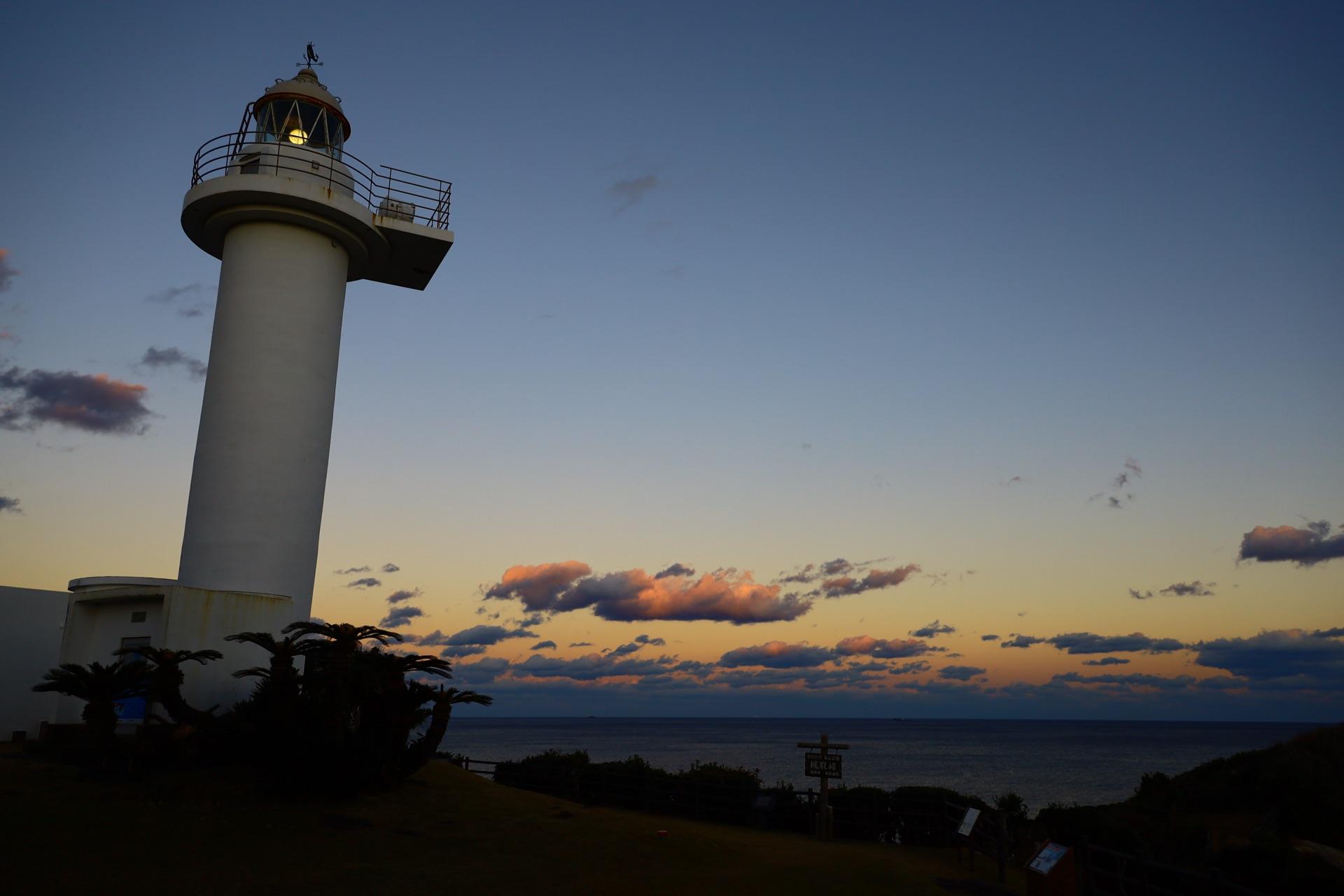
Taiji has capes and walking paths that jut out into the sea, offering sweeping views of the Kumano-nada. It's lovely to imagine, just a little, how the lookouts of old must have felt gazing out at the offshore waters.
On windy days, watch your footing and hold on to your hat. On rocky areas and coastal paths, don't push yourself—walk safely first.
Things to Keep in Mind While Exploring Town
It's true that whaling and dolphins in Taiji carry deep feelings tied to local life and culture, and that there are various opinions about them both in Japan and abroad. As a traveler, rather than taking sides, I feel the right attitude is to quietly observe, listen to, and take home "what has been carried out in this town."
- Greet townspeople and facility staff politely
- Don't disturb work at ports or places related to fishing
- Be considerate of people and their work when taking photos
Just keeping these three in mind will make your journey feel much gentler.
Food as Another Doorway Into the Town
Along the Kumano coast, eating whale meat has long been part of daily life and culture. At eateries in and around town, it may be offered as a local flavor. However, availability and menus differ by shop and even by day, so if you're interested, it's best to check in advance.
Whether or not to eat it is, of course, up to each person. Recalling what you learned at the museum and the sea you saw from the cape, you can decide your own sense of distance from the town.
How to Fit It Into a Kumano Trip
- Include it as a half-day detour on the way from Nachikatsuura to Kushimoto
- Loosely narrow it down to two spots: the museum in the morning, the cape in the afternoon
- By train, Taiji Station on the JR Kisei Main Line is the starting point. For getting around town, decide in advance whether you'll walk or drive—it'll make things easier
Adding the "Kumano of coastal life" by the sea to the "Kumano of prayer" in the mountains and rivers softens and deepens the outline of your journey. On your next Kumano trip, consider making a small detour to breeze-swept Taiji.
Image: 梶取崎 (via (公社)和歌山県観光連盟)


