 LOCAL FIT KUMANOBack to list
A whale town, right next door to Nachikatsuura
From Nachikatsuura — known for Nachi Falls and its tuna port — head a little south along the coast of the Kii Peninsula. There, jutting out into the Kumano Sea, you'll find a small town called Taiji.
Kumano tends to bring to mind mountains and ancient pilgrimage trails, but Taiji is a place where you can feel the "Kumano that has lived with the sea." It's a perfect destination when you want to add a day with the scent of the tide to your journey of mountain prayers.
Why it's called "the town of traditional whaling"
Taiji is said to be where organized whaling began in Japan around the early Edo period, making it a site deeply connected to Japan's traditional whaling heritage. The method of lining up boats to chase whales and catching them with nets was a large-scale operation in which local people shared different roles and worked together.
Walking around town, you'll come across stories of hilltops and capes overlooking the sea that were once used as "lookouts for whales." Imagining that people long ago gazed at the very same horizon while you take in the view transforms what might seem like an ordinary sea into something rich with story.
Things to notice around the harbor
- The shape of the inlet: You'll start to see why this harbor, sheltered by the bay, became a base for whaling
- The town's atmosphere: Life lived alongside the sea seeps into the streets and houses
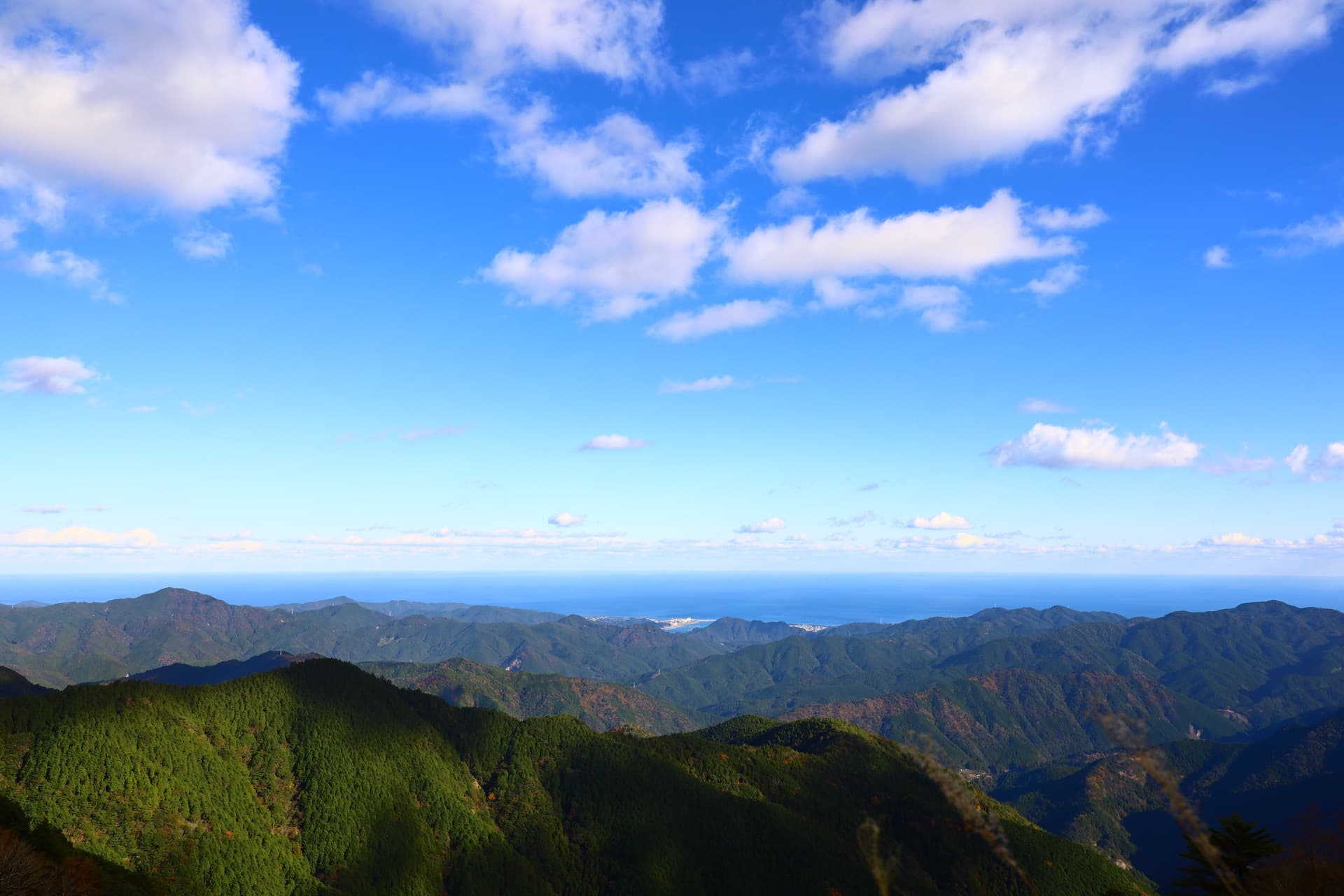
- The color of the water: The deep blue of the Kumano Sea changes expression with the weather and time of day
If you're exploring on foot, pair the cape with an exhibit
See the sea from the cape
At the tip of the town is a cape that extends out into the sea, offering an unobstructed view of the Pacific Ocean. Some days are windy, so it's a good idea to bring an extra layer. On clear days, you can even see the curve of the horizon — and you'll feel "so this is where they searched for whales."
Learn the history through exhibits
The town has a museum dedicated to whales, where you can learn about whaling tools, history, and the creatures of the sea. Learning the background at the museum first and then walking the harbor and the cape changes how the same scenery looks. It's also an easy plan to work into a rainy day. Please check the official information for opening hours and admission before you visit.
Food and culture: taste after you understand
In Taiji, whales have long been part of daily meals and local events. People's views on eating whale and how they relate to it vary, and it's also true that there are many different opinions around whaling. That's exactly why, as travelers, it's worth starting by understanding the historical and everyday context of the town. This is a place that calls for approaching it with respect, as a culture that local people have long cherished.
A few quick notes before you stop by
- Combined with Nachikatsuura, you can easily put together a day of "falls, prayer, port, and cape"
- It's reassuring to check opening days and closures of sites in advance
- The coast can be windy, so mind your hat and jacket
- When taking photos, be considerate of homes and the daily life of local people
A journey through Kumano isn't only about the deep mountains. On Taiji's seashore, let your thoughts linger a little on the horizon and on the lives of the people who have made their home here.
Image: 熊野灘 (via (公社)和歌山県観光連盟)


