 LOCAL FIT KUMANOBack to list
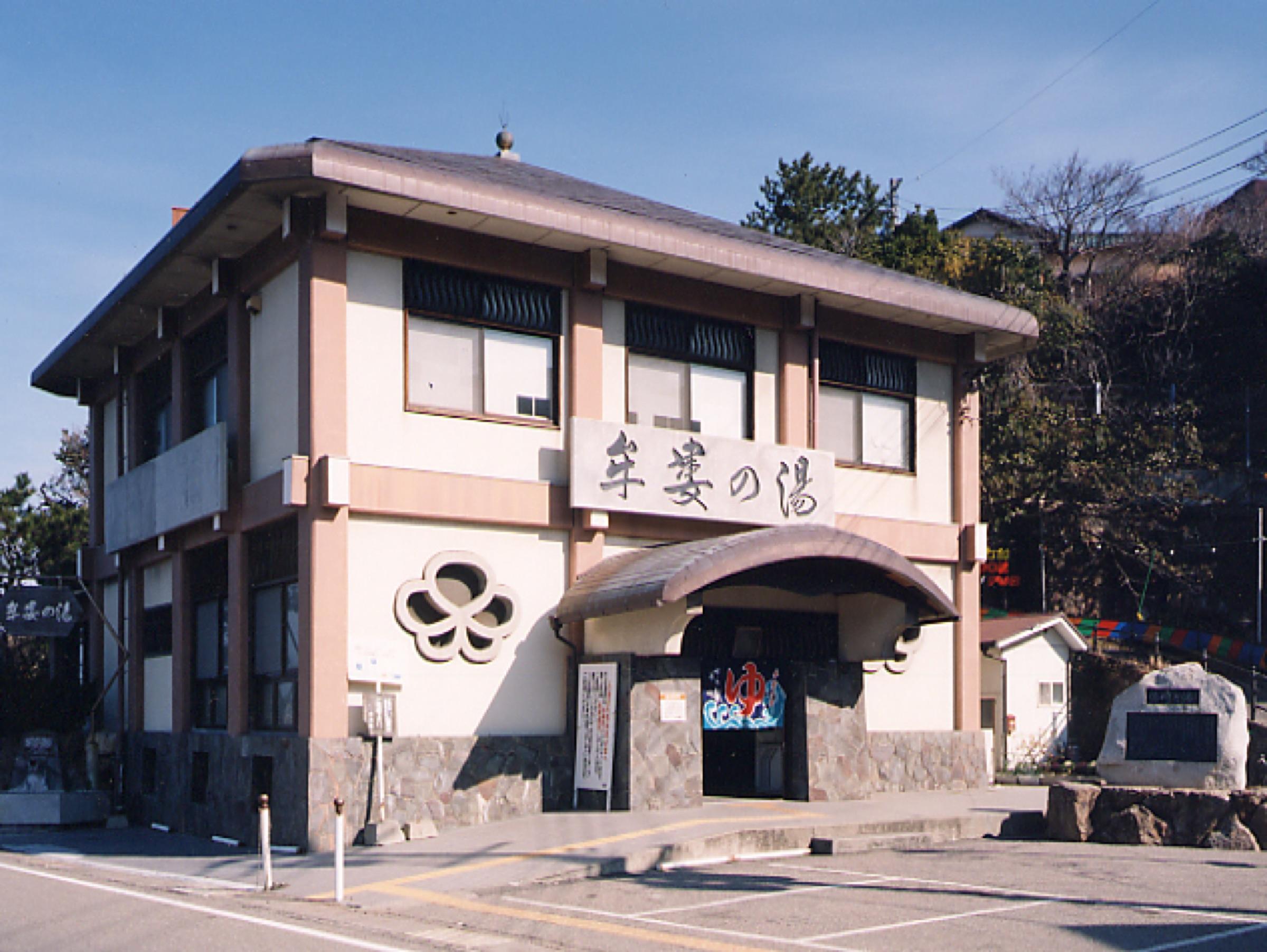
Shirahama's Hot Springs Began 'By the Sea'
When you hear the name Shirahama, images of white sandy beaches and a seaside resort may come to mind first. But the history of this town's hot springs is surprisingly ancient, and at its heart lies an area called Yuzaki, near the tip of the peninsula.
If you take just one day during your Kumano journey to detour to the sea, spending time around the baths and rocky shores of Yuzaki reveals a different face of 'Kumano's hot springs' from those along the mountain paths.
'Muro no Yu' in Ancient Texts
Knowing the Stories of Imperial Visits
Shirahama's hot springs are said to appear in ancient records such as the *Nihon Shoki* under names like 'Muro no Yu' and 'Ki no Yu.' From the Asuka period, there are accounts of Empress Saimei journeying to the Kii hot springs, and the tale of the tragic Prince Arima has also been passed down in connection with this land.
Alongside Arima and Dogo, Shirahama is sometimes counted as one of 'Japan's Three Ancient Hot Springs.' Leaving the finer points of historical interpretation to specialist books and local guides, as a traveler, simply reflecting on the thought 'people have been drawn to seaside baths here for well over a thousand years' changes how you see the water.
Pilgrims of Kumano and the Baths
The custom of purifying oneself in hot springs before heading on pilgrimage to Kumano connects also with the *yugori* ritual at Yunomine Onsen. The hot springs scattered along the southern side of the Kii Peninsula have been inseparable from journeys of prayer. The waters of Shirahama, too, must have been a place that soothed the weariness of those traveling along the coastal road.
Savoring the Closeness of Sea and Bath
A Landscape Shaped by Rocks and Waves
The great appeal of Yuzaki is, above all, its proximity to the sea. The sound of waves breaking on the reef, the scent of the tide, a horizon stretching far into the distance. Unlike mountain hot spring towns where steam rises among the hills, the open view here seems to open the heart as well.
Rather than only soaking in the baths, it's also worth taking a short walk along the nearby coastline. As you gaze absentmindedly at the shapes of the rocks and the expressions of the waves, the flow of time seems to slow.
Different Faces at Different Times
- Morning: The air is clear, and the water's surface glows softly. Best for those who want to take their time.
- Evening: Light tilting westward dyes the sea in orange. Sunset times vary greatly by season, so it's safer to set out early.
- Stormy or high-wave days: Seaside facilities can be affected by weather and sea conditions. Check the latest information before heading out.
Things to Prepare Before Bathing
- Check the latest hours, fees, and closing days: These may change by season or operating conditions.
- Bring towels and a change of clothes with room to spare: Sea breezes can chill you after a bath, so something to throw on is reassuring.
- Wear non-slip shoes: With rocky areas and wet surfaces, walking shoes are more suitable than sandals.
- Keep valuables to a minimum: Traveling light makes the seaside stroll much easier.
In Closing | A Kumano Journey That Knows Both Mountain and Sea Baths
When we speak of traveling in Kumano, the old pilgrimage trails, the great shrines, and mountain hot springs tend to take center stage. Add the 'seaside baths' of Shirahama-Yuzaki, and your journey gains two kinds of healing—mountain and sea. Picture the horizon that ancient people may once have gazed upon, and warm yourself slowly by the sound of the waves. Why not tuck such an hour into the blank spaces of your itinerary?
Image: 白浜温泉 牟婁の湯 (via (公社)和歌山県観光連盟)


