 LOCAL FIT KUMANOBack to list
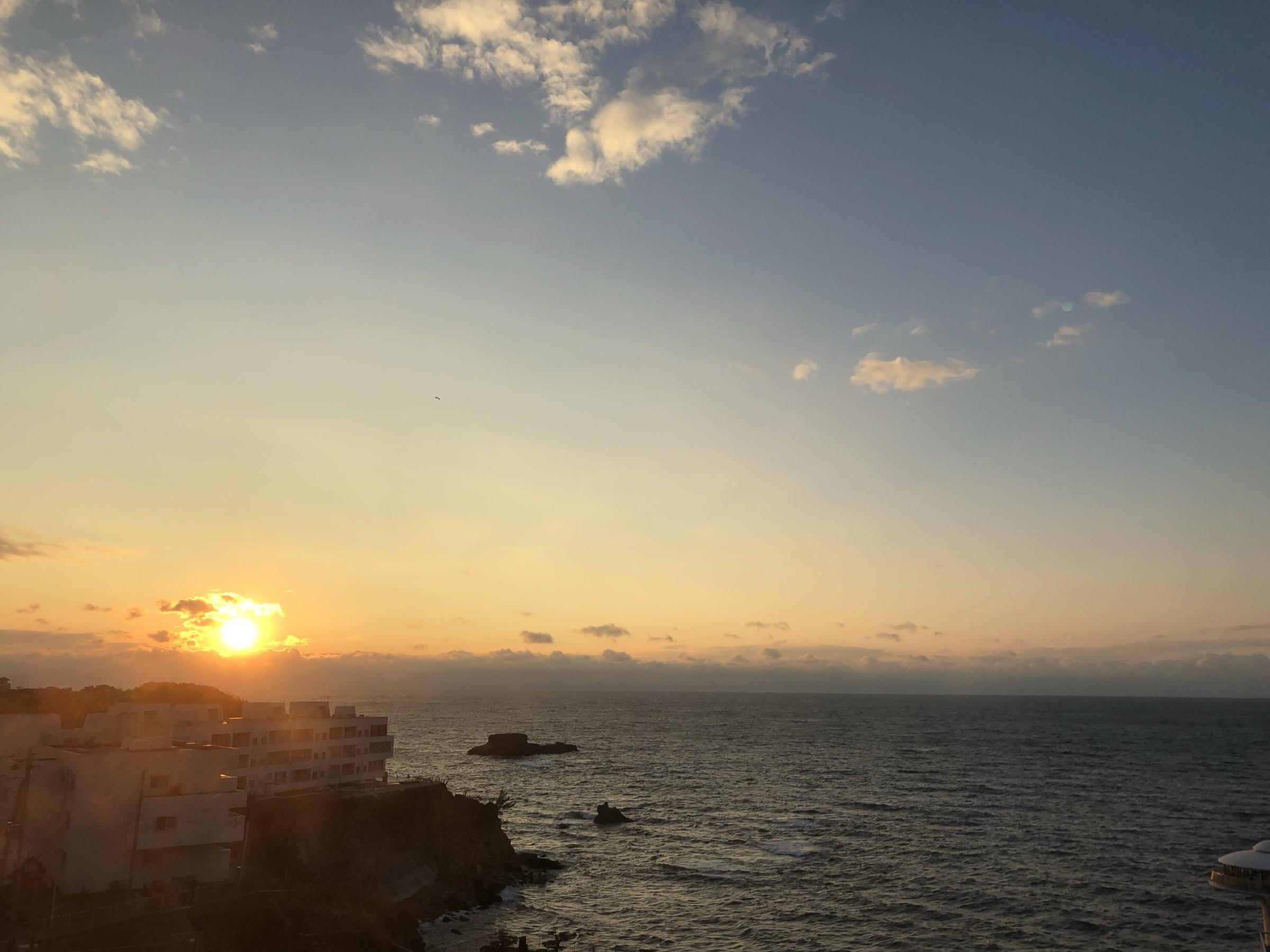
Shirahama Onsen: An Ideal Entry Point for Family Travel
Shirahama Onsen is a hot spring destination where the sea, hot springs, and scenery are all packed closely together. The white sands of Shirarahama Beach, Engetsu Island (famous for its sunsets), and dramatic rocky coastlines—all are enjoyable within close reach of your accommodations. Family trips often end with everyone exhausted from travel, but here it's easy to keep transit short and spend quality time in one area.
This article isn't a detailed facility guide. Instead, it offers a way of thinking about visiting Shirahama Onsen with children, organized by age. We've also added tips for planning a summer trip. Since operating hours and conditions can change, please check with each facility before you go.
For Summer Trips, Pick One Theme
In summer, the Kumano area has rivers, seas, and mountains all close at hand—making it like an open-air classroom for kids. But because the attractions are spread out, trying to do too much can leave both parents and children worn out by travel and heat.
That's why we recommend choosing one theme for your trip. It makes a great summer homework project, and the memories grow richer when you talk about them later. If you're basing yourself in Shirahama, these three themes are easy picks.
Water: Learning the 'Coldness, Flow, and Depth' of Seas and Rivers
Kumano has the Kuroshio Current's seas and crystal-clear rivers. Whether you enter the water or simply watch it, you'll notice how water takes on different expressions depending on where you are.
- At the sea: listen to the waves and search for tide-pool creatures
- At the river: observe how fast the water flows and how pebbles tumble along
When playing near water, always check local information about weather, water levels, and safety, and prioritize gear like life jackets. For a summer homework project, just visiting a river and the sea on the same day and noting the 'color' and 'how the temperature feels' is more than enough.
Stones and Earth: Searching for 'Why That Shape?'
Besides Sandanbeki and Senjojiki in Shirahama, the Kumano area has massive monolithic rocks, rocks lined up in a row, and rocks with holes—scenery that makes kids point in amazement. The Ichimai-iwa monolith in Kozagawa Town and Hashigui-iwa Rocks in Kushimoto Town are prime examples. If you plan to venture further, build plenty of travel time into your schedule.
You can save the complicated explanations for later. Start simply with 'it's big,' 'they're in a line,' or 'it has a hole'—just describing what you see. When you get home, looking things up in picture books or atlases turns it into real learning.
Story: The 'Why?' of the Yatagarasu and the Old Pilgrimage Routes
The Yatagarasu (three-legged crow), said to have guided travelers along the Kumano roads, is a friendly figure for children. At shrines, temples, and along the old paths, just asking 'how many crow pictures can you find?' turns a visit into a game.
If you plan to walk the old pilgrimage routes, pick a short stone-paved section. Just mentioning 'people long ago spent many days walking this' conveys the enormity of time.
How to Spend Time in Shirahama Onsen by Age Group
Babies and Toddlers (0–3): Enjoy a Relaxed Stay at Your Inn
At this age, think of the trip as 'enjoying your stay at the inn' rather than 'touring sightseeing spots.' When choosing accommodations, it helps to ask about these points in advance.
- Whether private family baths or in-room baths are available
- Where meals are served (in-room, private dining room, etc.) and whether baby food or toddler meals can be arranged
- The sleeping setup, such as cribs or futon arrangements
Soaking in a hot spring as long as an adult can be hard on babies. Keep baths short, hydrate, and take breaks. In summer, bring a baby carrier and sun hat and keep walking distances short. Always have an adult supervising water play.
Preschool to Early Elementary: Play to Your Heart's Content on the Sand and Shore
The wide sands of Shirarahama Beach are perfect for sandcastles and strolls along the water's edge. Whether or not it's swimming season, just stepping onto the beach will thrill the kids.
- Bring extra changes of clothes and plenty of towels (sand and seawater make things dirtier than you'd expect)
- Prepare hats and drinks regardless of the season
- On days with high waves or strong winds, don't push it—just walking the beach is fine
At this age, incorporating 'searching' or 'counting' games—like hunting for shells or counting how many waves come in—makes walking time more fun.
In the evening, strolling along the shore while gazing toward Engetsu Island is a lovely way to spend time. Sunset times vary by season, so checking the weather forecast makes planning easier.
Upper Elementary: A Trip to 'See and Learn' About Landforms
Wave-carved landscapes like Sandanbeki and Senjojiki let you feel the scale of nature firsthand. But cliffs and rocky areas require constant attention with kids.
- Stay within areas marked by railings and signs
- Wear sturdy walking sneakers—avoid sandals
- On windy days, watch out—hats and small items can easily blow away
Conversations like 'why did it get this shape?' arise naturally, making it a great springboard for summer homework. Put your child in charge of trip planning, note-taking, or photography, and the material for their project comes together naturally.
On Hot Days, Divide the Day into 'Morning, Noon, Evening'
Summer brings strong sunlight and high temperatures. Dividing roles by time of day helps you pace yourselves.
- Morning: Get outdoor walking done first—old pilgrimage routes, shrines and temples, or shoreline strolls
- Noon: Break for meals, then rest well indoors or in the shade
- Evening: Play on the sand or by the water, or unwind in the hot springs
A good rule of thumb: 'no more than two major destinations per day.' Factoring in that kids may fall asleep in the car keeps parents from scrambling.
Example of a Daily Flow (1 Night, 2 Days)
Day 1: Stay Close, Check In Early
Travel in the morning, have lunch, then take a short stroll on the beach in the afternoon before checking in early. A flow of hot spring soak, dinner, and early bed keeps kids from getting cranky. In summer, avoiding the strongest sun and heading to the beach in the evening is another good approach.
Day 2: Head Out Early, Prioritize the Journey Home
After breakfast, take a walk by the sea, then head home around midday. Leaving plenty of time to pick out souvenirs keeps things stress-free.
Packing Checklist
- Changes of clothes (plenty of tops and bottoms) and bags for wet items. Even without water play, a towel helps with sweat
- Hat, sunscreen, extra drinks, and a light jacket (the shore can get chilly in the wind)
- Snacks for the kids
- Non-slip shoes, insect repellent, small plastic bags
- Motion sickness medicine and regular medications
- Rain gear (weather in mountainous areas changes quickly)
- Small toys for sand play
A Word from a Local's Perspective
We find that the satisfaction of a family trip depends not on 'how many places you visited' but on 'how much breathing room the adults had.' Shirahama is a hot spring destination where even a single stop makes a picture-worthy memory. Rather than cramming your summer schedule, having one theme you can point to and say 'this was the fun part today' leaves a deeper impression on children. Don't overpack the itinerary; work backward from your return time and plan to cut one thing out. Keep an eye on everyone's condition and the weather, and enjoy Shirahama and Kumano at your family's pace.
Since operating hours and activity availability can vary by season, checking official sources before you leave is a good idea.
*Content updated and expanded on November 12, 2026.*
Image: 白浜 (via (公社)和歌山県観光連盟)


