 LOCAL FIT KUMANOBack to list
Discover Kumano's Local Cuisine in Shingu: Sanma-zushi and Mehari-zushi
Shingu City in Wakayama Prefecture is one of the gateways to Kumano. In this town at the mouth of the Kumano River, two dishes you can't miss when stopping for a bite are sanma-zushi (Pacific saury sushi) and mehari-zushi (rice wrapped in pickled takana leaves). Both are local specialties that grew out of everyday life in Kumano—nothing overly fancy, yet one taste and you'll feel, "Yes, I'm really here."
This article introduces the differences between the two, how to enjoy them, and how to fit them into your itinerary. Opening hours and prices at specific shops change with the season, so please check with each shop or the local tourist information center before heading out.
What Is Sanma-zushi? | The Bounty of the Kumano Sea Wrapped in Vinegared Rice
A Whole-Fish Sushi Fit for a Feast
Sanma-zushi is made by splitting a Pacific saury, curing it in vinegar, and pairing it with vinegared rice. The Kumano-nada coast historically had a thriving saury fishery, and the dish has long been prepared for celebrations and seasonal events. It's often seen as a sugata-zushi (whole-fish sushi) using an entire saury, and is typically sliced to share.
What Makes It Delicious
The appeal lies in the combination of the vinegar-cured fish's umami and the refreshing vinegared rice. Preparation methods, seasonings, types of vinegar, and garnishes vary by shop and household—so sampling different versions is part of the fun. Fatty, in-season saury is said to be best from autumn through winter, but whether it's offered year-round depends on the shop.
What Is Mehari-zushi? | A Humble Palm-Sized Rice Ball Wrapped in Takana
A Portable Meal Beloved by Mountain Workers
Mehari-zushi is a rice ball—made with vinegared rice or plain rice—wrapped in a salt-pickled takana (mustard greens) leaf. It's said to have originated as a portable meal eaten during breaks from forestry or farm work, and evokes the mountain life of Kumano.
Various Theories Behind the Name
Some say the name comes from "opening your eyes (and mouth) wide to take a bite," while others say it's "so good it makes your eyes open wide." Whatever the origin, each theory has a warm, down-to-earth ring. The gentle saltiness and subtle flavor of the takana bring out the natural sweetness of the rice. Each shop has its own character in how the rice is seasoned, how the takana is pickled, and the size of the pieces.
Comparing the Two | Flavors of the Sea and the Mountains
If sanma-zushi is the "festive-day flavor" of the coast, mehari-zushi is the "everyday flavor" of the mountain villages. Thinking of them as dishes shaped by the respective lives of the sea and the mountains—both within the same Kumano region—makes each bite that much more meaningful.
- Sanma-zushi: The umami of fish with the refreshing bite of vinegar. Well suited to sampling in a small group.
- Mehari-zushi: The aroma of takana and the simple sweetness of rice. Best enjoyed held in the hand and taken in big bites.
Fitting It into Your Itinerary | Pair It with a Stroll to Hayatama Taisha
In Shingu City, it works well to build your day around a visit to the World Heritage-listed Kumano Hayatama Taisha, combined with a walk around the station area and a meal.
1. Morning: Visit Kumano Hayatama Taisha and soak in the atmosphere of the precincts.
2. Around midday: Enjoy local cuisine in town. Popular shops get crowded, so shifting your timing a bit is recommended.
3. Afternoon: If you plan to view the Gotobiki Rock at Kamikura Shrine, note that the stone steps are steep—wear suitable shoes and save some energy.
Some shops offer mehari-zushi for takeout, making it a perfect companion for a walk along the Kumano Kodo. However, availability, whether reservations are required, and how long it keeps vary by shop, so please check when you buy. If you're carrying sanma-zushi, take special care with storage in warmer seasons.
A Few Small Tips Before You Eat
- Items may sell out or shops may be closed, so checking ahead gives peace of mind.
- If you want to try both, rather than ordering a full set yourself, share with a companion for a better tasting experience.
- Offerings can change depending on the season and daily sourcing, so confirm the menu on site.
In Closing
Shingu City's sanma-zushi and mehari-zushi are local dishes that let you experience both the sea and the mountains of Kumano in one meal. Enjoyed between a shrine visit or a walk along the ancient trails, they'll make your travel memories all the richer. When you visit Kumano, be sure to try both and compare for yourself.
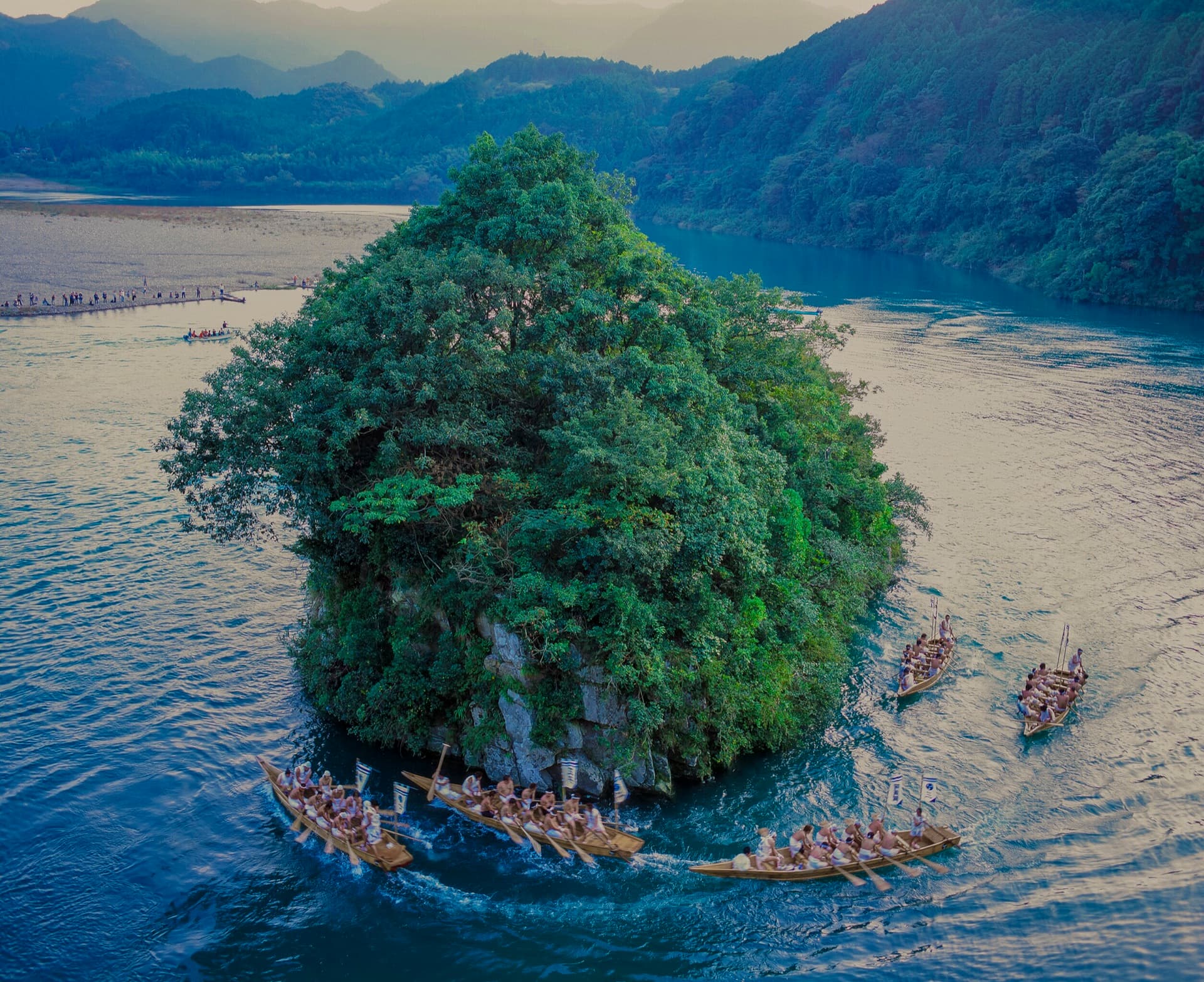
Image: 御船祭 (via 熊野速玉大社例大祭)((公社)和歌山県観光連盟)


