 LOCAL FIT KUMANOBack to list
Shingu's Mehari Sushi: A Local Flavor That Becomes Your 'Walking Companion'
As you walk around Shingu, you'll come across the words 'mehari sushi' here and there. It's a very simple-looking dish: rice wrapped up in a leaf of pickled takana mustard greens.
It's a little different from the flashier sushi made with vinegared rice—if anything, it's closer to a big rice ball. That's exactly what makes it so easy to snack on in between stops on your travels.
In this article, we'll focus on the background of the dish, how to eat it, and what to keep in mind when carrying it with you.
Knowing the Origin of 'Mehari' Makes Each Bite More Fun
There are several theories about the origin of the name. The two most often told are:
- When you take a big bite of the large rice ball, you open your eyes wide (me o haru) as you stuff your mouth
- When you eat it, the flavor is so good it makes your eyes open wide
It's hard to say for certain which is correct, but it's a name that conjures up the image of 'opening wide and chomping in.'
It's said to have been loved in daily life as a portable food that could be eaten quickly between stints of mountain work or farm work. The story gives you a real sense of Kumano's deep-mountain character.
Tips for Eating|Don't Hold Back—Go In Big on the First Bite
Eat the Leaf and All
The takana leaf isn't just wrapping—it's part of the flavor. Its gentle saltiness and aroma bring out the rice, so it's standard to eat the leaf along with it.
Rather Than Small Nibbles, Boldly Fill Your Mouth
True to the name, going in with a big bite lets you enjoy the leaf and rice in good balance. Just be sure to chew slowly so it doesn't get stuck in your throat.
A Cup of Tea Is a Great Match
The saltiness and aroma of the takana pair beautifully with hot tea. Enjoying them together during a break is a wonderful way to catch your breath.
What to Keep in Mind When Taking It Along on a Walk or Old-Road Hike
Mehari sushi is easy to carry, but there are a few things to watch out for.
- Eat it sooner rather than later: Handmade foods spoil easily, so it's safest to eat it on the day you bought it, as soon as possible.
- Keep it cool in hot weather: Try not to leave it in the car or in your bag for long periods.
- Bring a trash bag: Always take wrappers and containers back with you.
- Have hand wipes ready: When eating outdoors, wet wipes come in handy.
The fillings, size, availability, and whether reservations are required vary by shop and by season. Checking directly in advance is the surest bet.
Where to Eat? Choosing the Right Setting
In Shingu, you can either enjoy mehari sushi slowly at a diner or restaurant, or take it to go and eat it outdoors.
- Take-your-time type: Sit down in a relaxed setting and enjoy the rustic flavor with a cup of tea
- Travel-light type: Have it wrapped to go, and eat it at a rest spot while taking in the scenery
If you eat outdoors, please be mindful of the rules about eating and drinking at shrine grounds and public spaces. In places where entry or eating is discouraged, the basic rule is to choose somewhere you can rest, like a bench.
Take Home a 'Memory of Flavor' as a Travel Souvenir
It's not a grand feast, but the aroma of the takana and the gentle sweetness of the rice have a curious way of staying in your memory. When you think about how this is a flavor passed down through daily life in Kumano, even a single bite feels a little weightier.
When you visit Shingu, remember the origin of its name and try savoring mehari sushi with a big, wide-open bite.
*Availability and contents may change. Please check the latest information with each shop before heading out.
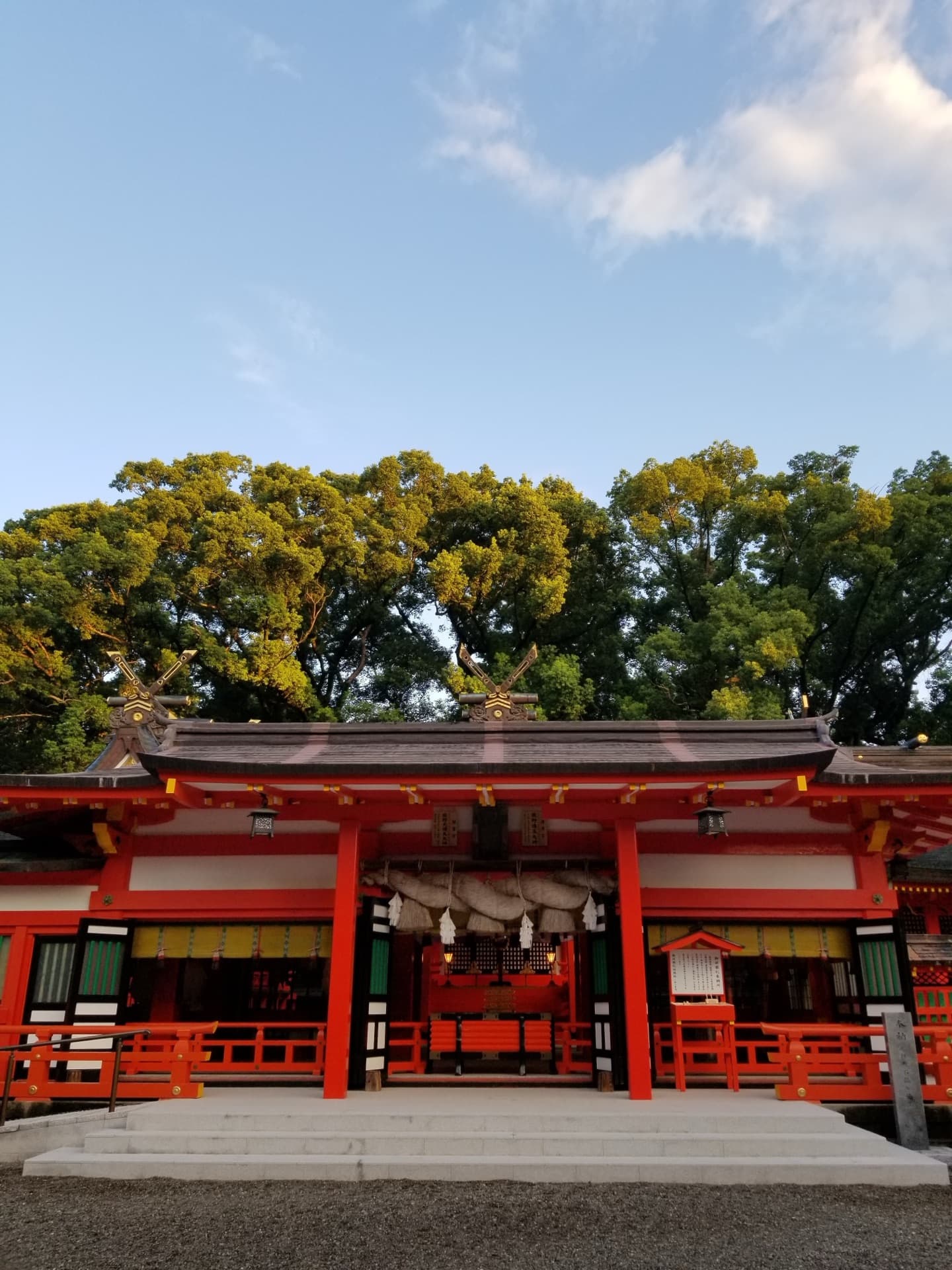
Image: 熊野速玉大社 (via (公社)和歌山県観光連盟)


