 LOCAL FIT KUMANOBack to list
On the Night of February 6th, the Mountains of Shingu Are Set Ablaze
One of the signature winter events in Shingu City, Wakayama Prefecture, is the Oto Matsuri (Fire Festival) of Kamikura Shrine. Held on the night of February 6th every year, it is also known as "Otou Matsuri." The sight of white-clad men racing down the stone steps with torches in hand allows you to feel, even today, the fire-worship tradition said to have continued in Kumano for over a thousand years.
Kamikura Shrine is an auxiliary shrine of Kumano Hayatama Taisha, and is one of the component sites of the UNESCO World Heritage "Sacred Sites and Pilgrimage Routes in the Kii Mountain Range," which includes the Kumano Kodo. Among the three Kumano Grand Shrines (Kumano Sanzan), Shingu is said to be "the place where the gods first descended." Many travelers choose to align their Kumano Kodo walking trip with the date of this festival.
Highlights of the Oto Matsuri
Gotobiki Rock and the Stone Steps
Halfway up Mt. Kamikura, a massive boulder enshrined as the deity is called "Gotobiki Rock," named after a local word meaning "toad." Leading up to it are approximately 500 steep steps made of natural stone. Legend has it they were donated by Minamoto no Yoritomo, and even on an ordinary day, their steepness is striking.
The Noboriko and Their Torches
The stars of the festival are the participants known as "noboriko" (climbers). Purified in white robes, the noboriko light their torches atop the mountain after a Shinto ritual, then race down the stone steps together at a signal. The ribbon of fire streaming down through the darkness is sometimes described as making the entire mountain look like a single dragon. Historically, the role of noboriko has been reserved for men.
What to Know Before You Go
- This is a sacred ritual, not a tourist event. It is a place of prayer that local people have protected for generations, so visitors should approach it with quiet respect.
- Expect crowds, traffic restrictions, and limited-access areas on the day. Viewing locations, times, and access routes may change from year to year. Always check the latest official information from Shingu City or the local tourism association.
- Watch your footing and surroundings, as there are sparks and crowd movement. Since you'll be moving in the dark, comfortable walking shoes, warm clothing, and a small flashlight are recommended.
- The stone steps are steep, and it gets especially cold in winter. Pace yourself, and if you feel unwell, turn back early.
A Shingu Kodo Stroll Before or After the Festival
Since the festival takes place at night, we recommend spending the daytime walking leisurely around the town of Shingu. Praying for safe travels at Kumano Hayatama Taisha and simply breathing in the air along the Kumano River is enough to make you feel that you have truly arrived in Kumano.
Kamikura Shrine can be visited on non-festival days as well. Climbing the stone steps in a quieter season, you can gaze out from in front of Gotobiki Rock over the town of Shingu and the Kumano Sea. Walking the path while imagining the festival night offers its own deep sense of appreciation.
Winter Kumano Holds Both Stillness and Fervor
The Kumano Kodo in February sees few visitors, making it a season for unhurried walks in crisp, clear air. Within that stillness, only on the night of February 6th does the town of Shingu swell with intense energy. Experiencing both sides of Kumano—the quiet and the fiery—at once is one of the great rewards of traveling during the Oto Matsuri season.
Lodging can fill up around festival time, so plan ahead, and approach Kumano's winter fire festival with respect.
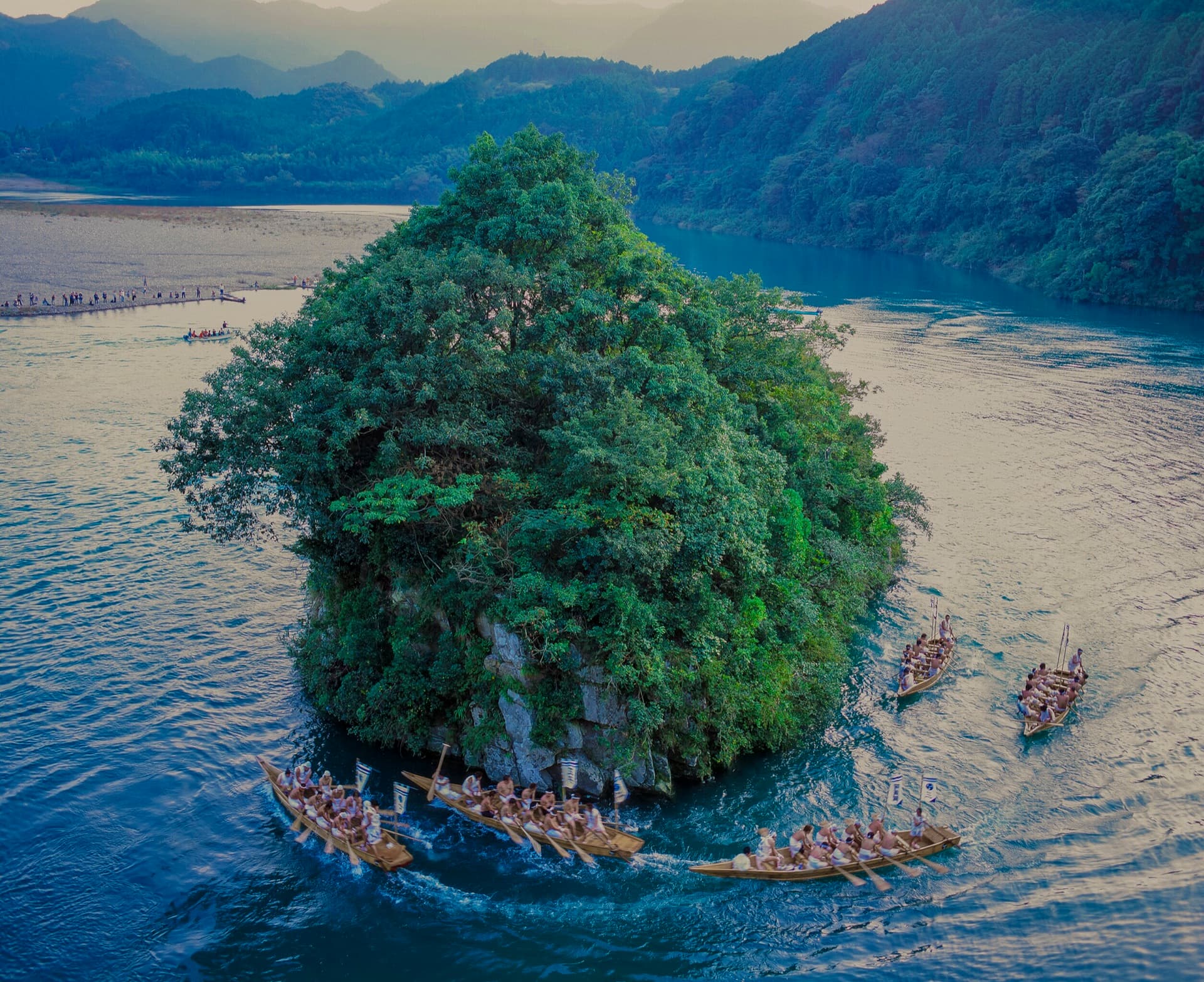
Image: 御船祭 (via 熊野速玉大社例大祭)((公社)和歌山県観光連盟)


