 LOCAL FIT KUMANOBack to list
Adding a "castle hill" to your day of shrine visits
When people think of Shingu, many picture sacred sites such as Kumano Hayatama Taisha or Kamikura Shrine. But near the center of town, there is another quiet spot worth seeing: the Shingu Castle Ruins (Tankaku Castle Ruins).
The main keep no longer stands, but the large stone walls stacked along the hillside still help you imagine what the castle once looked like. Even spending just 30 minutes to an hour here between shrine visits can slightly change the way you see Shingu.
What are the Shingu Castle Ruins? A stone-walled castle on a hill in town
Shingu Castle is known as the residence of the Mizuno family, who governed Shingu as senior retainers of the Kishu Domain during the Edo period. It is also called "Tankaku Castle." Standing on a small hill near the mouth of the Kumano River, its location reveals a landscape shaped by the river and the sea.
Today the ruins have been developed into a park, making it an easy stop along a town walk. With few buildings remaining, the real appeal lies in slowly appreciating the "forms" themselves—the way the stones are assembled, the curving slopes, and the sky glimpsed through the trees.
Tips for your walk
Look at the stone walls twice—up close, then from a distance
Up close, you can see the size and character of each individual stone; from a little distance, you begin to notice the overall curves and height. Look up at the walls from below before climbing, then turn around for another look after you reach the top. The same stone walls will give you a different impression.
From up high, sense the town and the river
Once you reach the top of the hill, you can take in the townscape of Shingu and the broad sky stretching toward the Kumano River. Unlike the mountain scenery of the old pilgrimage trails, this is a place where you can feel Shingu's character as "a town at the entrance to a river and the sea." On a clear day, even the way the wind flows through feels pleasant.
Different faces in each season
Because the ruins are surrounded by trees, the atmosphere changes with the seasons—flowers in spring, deep greens in summer, and calm colors in autumn. Spring, in particular, is said to be popular for cherry blossom viewing. Crowd levels and bloom times vary from year to year, so it's a good idea to check the Shingu City tourism information before you visit.
A sample half-day stroll
Shingu is an easy town to explore starting from its railway station. For example, you might try the following flow:
1. Morning: Start walking from near the station and slowly circle the hill of the Shingu Castle Ruins.
2. Lunch: Have lunch in town and take a short break.
3. Afternoon: Move on to other sights such as Kumano Hayatama Taisha.
By "taking in the view from the hill first, then visiting the shrine," you begin to see the two faces of Shingu—a castle town and a sacred site of Kumano faith—connect into one picture.
Before you set out
- Footwear: With slopes and stone steps, non-slip shoes are reassuring. Stones and fallen leaves can be wet after rain.
- Time of day: Visit during daylight hours and give yourself time to come down before sunset.
- Drinks: Even with plenty of shade, summer walks bring sweat. Don't forget to bring water.
- Latest information: Opening conditions and site maintenance may change, so please check the city's official information in advance.
In closing
The Shingu Castle Ruins are not a flashy tourist attraction. But if you walk with a feeling of resting your hand gently on the stone walls, and let the river breeze reach you from the hilltop, you can sense how long this land has watched over people's lives. On your journey through Kumano, why not add a quiet "pause" like this one?
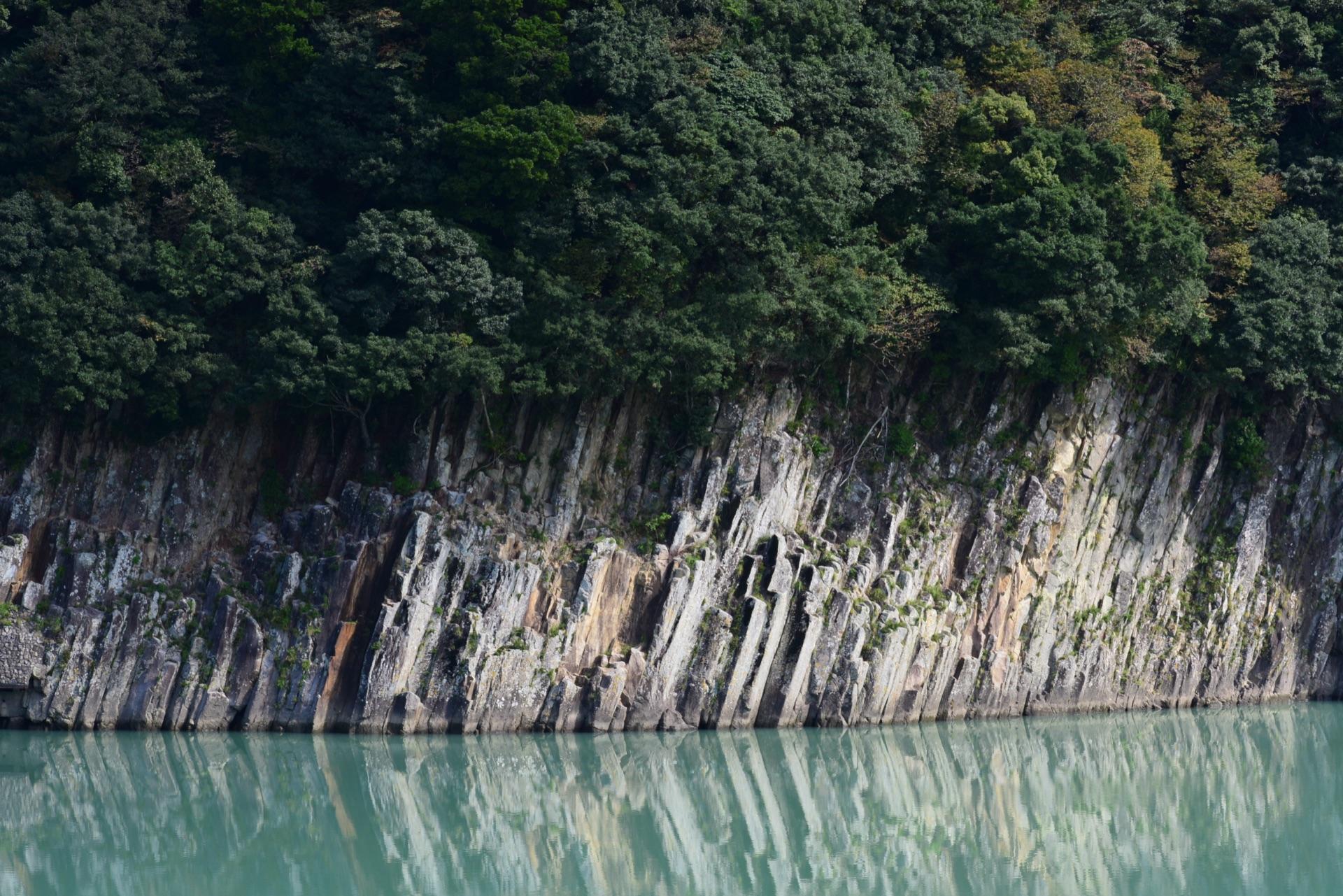
Image: 熊野川 (via (公社)和歌山県観光連盟)


