 LOCAL FIT KUMANOBack to list
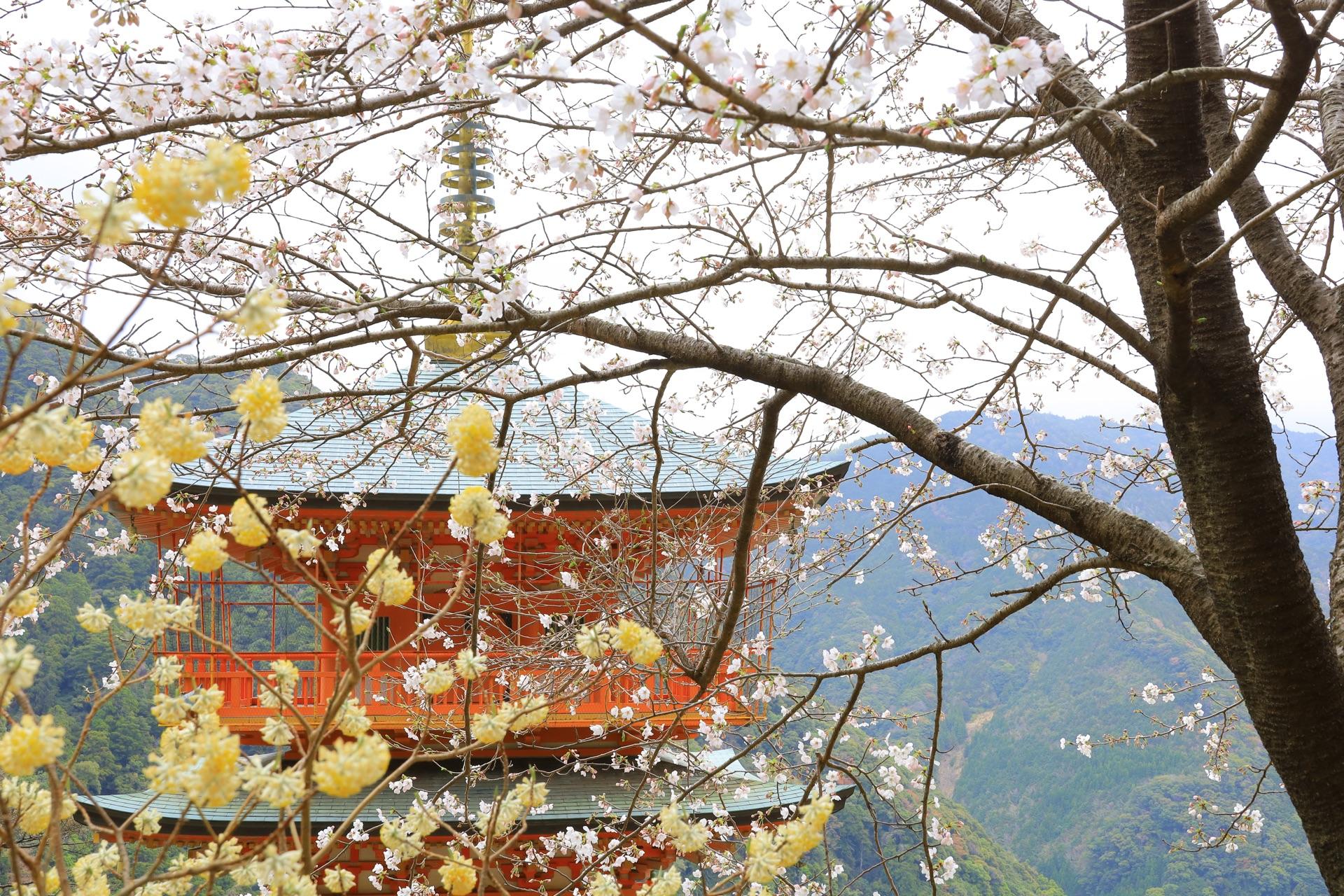
Seiganto-ji stands on a mountainside overlooking Nachi Falls. Many travelers, drawn by the view of its vermilion three-storied pagoda set against the white falls, think, "Since I'm coming all this way, I'd like to bring a goshuin book with me." Rather than covering how to receive the seal itself, this article focuses on how to prepare and care for a goshuin book at Seiganto-ji.
Seiganto-ji: A Fitting Place to Begin Your First Book
Seiganto-ji is known as the first of the 33 temples on the Saigoku Pilgrimage. Since it marks the starting point of this long pilgrimage, some visitors choose to open their very first goshuin book here, on its first page. Even if you don't plan to complete all 33 temples right away, dedicating the first page as a "memento of the start of your Kumano journey" is a lovely way to begin.
Right next door is Kumano Nachi Taisha, where the landscape still reflects the historical fusion of Shinto and Buddhism (shinbutsu-shugo). Precisely because a shrine and a temple stand side by side here, it's reassuring to decide in advance how you'd like to use your goshuin book(s).
Three Points to Consider When Choosing a Goshuin Book
1. Size and Binding
Most goshuin books have an accordion-fold (jabara) binding and a vertical format. Since you'll be carrying it in your bag, choose a size that works well with your other belongings. A book that fits both a hiking backpack for walking the old pilgrimage trails and a small bag for temple visits only is the most versatile.
2. Paper Thickness and Bleed-Through
Since the inscriptions are done in ink, overly thin paper can cause bleed-through to the other side. Deciding in advance whether to use both sides or only one side will save you from hesitating later.
3. Choose a Design That Captures Your Journey
If it's a memento of your Kumano trip, a fabric color or pattern that connects to your memories is a nice choice. Whether goshuin books are available at Seiganto-ji's grounds or nearby offices may vary depending on the season and circumstances. Rather than assuming you can buy one on the day, it's more reliable to check official information or confirm locally, and ideally bring a book with you in advance.
One Book or Two?
Whether to receive both shrine and temple seals in the same book is a matter of personal preference. Many people enjoy lining them up as a single travel record, while others prefer to keep shrines and temples separate. If you're unsure, consider these guidelines:
- Want a travel memory book: Keep everything in one book, arranged by date
- Prefer to keep them separate: Carry two books, one for temples and one for shrines
- Plan to continue the pilgrimage: Start a temple-only book here at Seiganto-ji
If you're uncertain, a polite way to check is to ask at the office, "May I have it inscribed in this book?"
Carrying and Handling Your Book on Nachisan
Nachisan sees a lot of rain and mist, and you'll be walking up stone steps and slopes. Goshuin books are vulnerable to moisture and dirt, so these precautions will give you peace of mind:
- Carry it in a plastic cover or zip-top bag
- Place it toward the inside of your bag where it won't get crushed, not on top
- While it's being inscribed, keep your hands organized so the book can lie open flat
- In case you receive a pre-written (kakioki) goshuin, bring a paper case or clear file to slip it into
- Keep small change in an easy-to-reach spot
A goshuin book is something like a sacred keepsake. Try not to toss it carelessly into the bottom of your bag or set it on the ground.
Storing It After You Return Home
When you get home, check whether the book has absorbed any moisture, and store it in a well-ventilated place. Avoid direct sunlight and areas with high heat or humidity. Jotting down the date and location of each visit will help bring the scenery of your journey back to life when you look through it later.
In Closing
Choosing a goshuin book at Seiganto-ji becomes easier when you start from "what kind of travel record do I want?" rather than "what should I buy?" The first book you begin at the starting point of the Saigoku 33-temple pilgrimage is sure to become a memento you'll treasure for years. Check other articles for details on the visiting process and what to bring, and set off for Nachisan with a settled, open heart.
Image: 那智山青岸渡寺 三重塔 桜 (via (公社)和歌山県観光連盟)


