 LOCAL FIT KUMANOBack to list
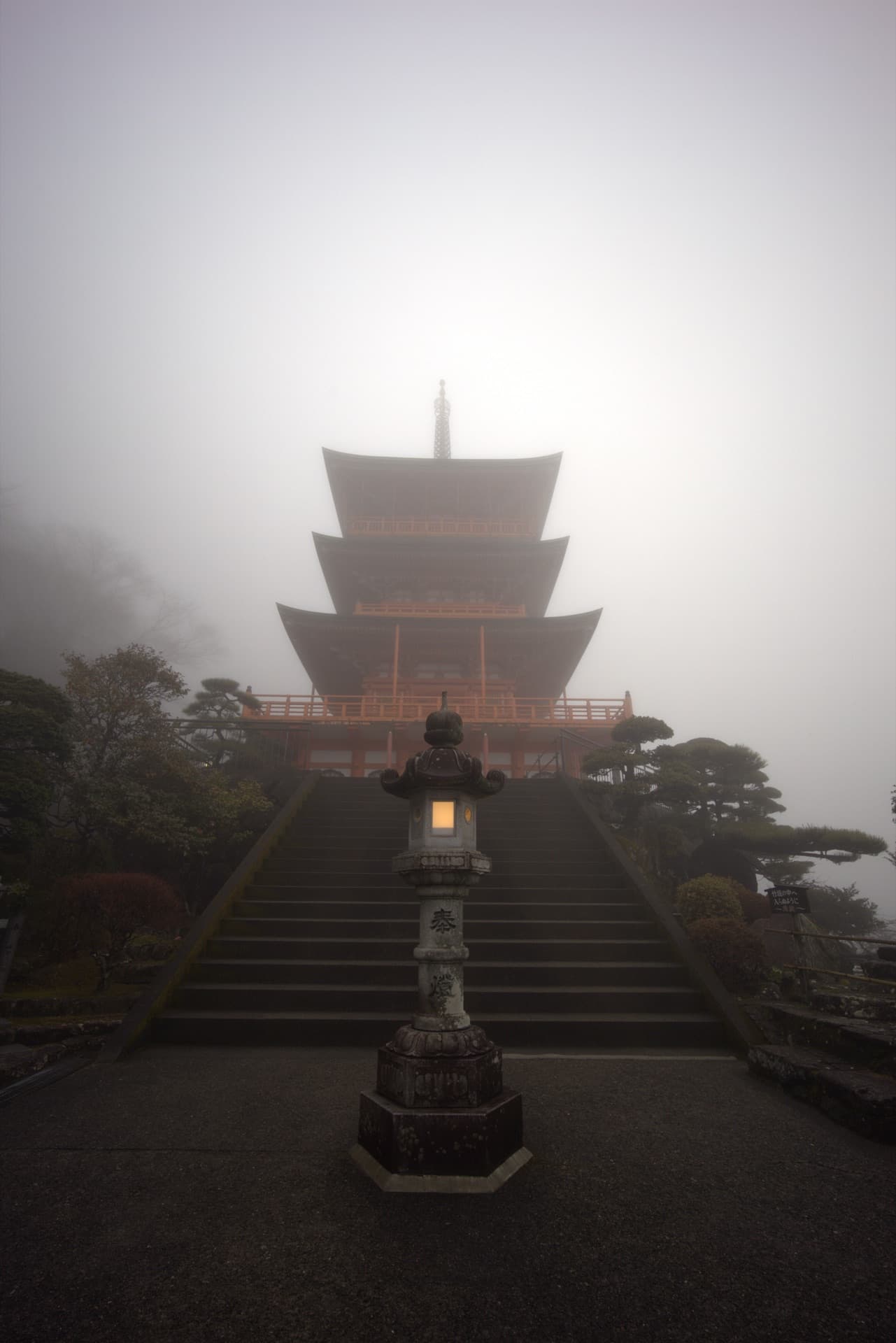
Perched on the mountainside overlooking Nachi Falls, Seigantoji (pronounced "Sei-gan-to-ji") is known as the first temple on the Saigoku Thirty-Three Kannon Pilgrimage. Many people searching for "Seigantoji goshuin" likely want to know what flow to follow and what mindset to bring when receiving one. This article organizes the key points worth knowing before your visit.
What Is Seigantoji? Understanding the Background of Its Goshuin
Seigantoji is a Tendai Buddhist temple whose principal image is said to be Nyoirin Kannon Bosatsu. Right next door stands Kumano Nachi Taisha, and together they preserve the legacy of *shinbutsu-shūgō*—the historical fusion of Shinto and Buddhist worship.
The Saigoku Thirty-Three Kannon Pilgrimage is one of Japan's oldest pilgrimage routes, visiting 33 temples dedicated to Kannon (the Bodhisattva of Compassion). Because this temple is the very first on that route, pilgrims come here from all over the country. A goshuin is not just a souvenir—it is a token proving you have worshipped. Keeping this in mind will deepen the meaning of your journey.
The Basic Flow for Receiving a Goshuin
Worship First, Goshuin Afterward
As a rule, you should receive your goshuin *after* you have paid your respects. Rather than heading straight to the goshuin counter, visit the main hall first, place your hands together in prayer, and only then proceed to the counter.
Stay Quiet and Wait Your Turn
The temple grounds are frequented by both tourists and pilgrims. At the counter, please line up in order and wait quietly while your goshuin is being hand-brushed. Photography rules vary by location, so follow any posted signs or the staff's instructions.
Bring Your Own Goshuin-chō
It is customary to bring your own goshuin-chō (seal book). Whether to keep temple and shrine seals in the same book or in separate ones is a matter of personal preference. If you're unsure, decide before your trip to avoid last-minute hesitation.
How It Differs from Kumano Nachi Taisha's Goshuin
Although Seigantoji and Kumano Nachi Taisha stand side by side, they are separate religious institutions with separate goshuin counters. The temple's goshuin relates to Kannon, while the shrine's relates to its enshrined deity—each carries a different meaning. If you'd like to receive both, pay your respects at each site before receiving the corresponding seal. Since the varieties, reception hours, and offering amounts may change, it's reassuring to check the official information before your visit.
Tips for the Day of Your Visit
To reach Seigantoji, you can walk up the Daimon-zaka slope of the Kumano Kodo, or take a bus or car to a point nearby. Either way, a long flight of stone steps awaits at the end, so plan with plenty of time and stamina in reserve.
After worshipping, be sure to take in the iconic view where the vermilion three-story pagoda and Nachi Falls overlap. The scenery feels especially moving when viewed after your heart has been settled by receiving a goshuin. If you'd like to avoid the busier hours, moving early in the morning allows for a calmer visit.
Checklist of Things to Bring and Wear
- Goshuin-chō (check whether it has a plastic cover)
- Small coins (for offerings and goshuin fees)
- Comfortable walking shoes (the mountain approach has many stone steps and slopes)
- Rain gear and layered clothing (weather on Mt. Nachi changes more quickly than along the coast)
- Drinks and a towel
In Summary | A Goshuin Lets You Take Home the Lingering Spirit of Worship
The goshuin of Seigantoji is an important mark of the first step on the Saigoku Pilgrimage. Worship first, receive quietly, and check the latest information through official sources—keep these three points in mind and even first-time visitors can enjoy a fulfilling visit. Along with Kumano Nachi Taisha and Nachi Falls, take your time and savor the mountain air.
Image: 那智山青岸渡寺 三重塔 (via (公社)和歌山県観光連盟)


