 LOCAL FIT KUMANOBack to list
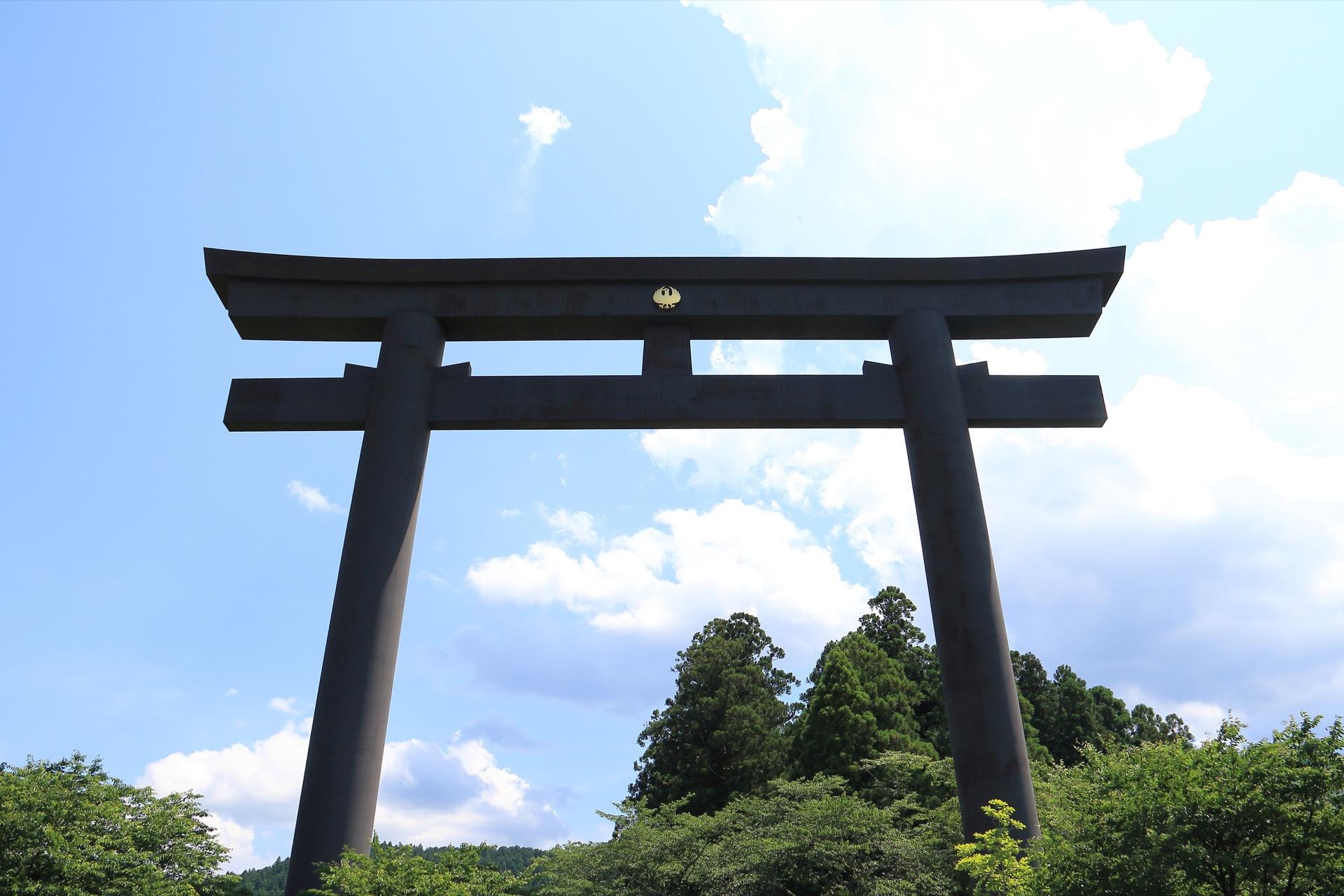
After paying your respects at Kumano Hongu Taisha, there is one place you should not miss. Just a short walk from the main shrine lies Oyunohara, a spacious, grassy clearing. This is the original site of Kumano Hongu, where today only a great torii and a profound stillness await you.
What is Oyunohara?
Oyunohara sits on a sandbar at the confluence of the Kumano River and its tributaries. While the present-day Hongu Taisha rests quietly on a mountainside, the original Hongu is said to have stood on this island of land surrounded by water.
Pilgrims on the Kumano Kodo would cross the rivers to enter this sacred ground. Knowing that it began as a "sanctuary within the waters" changes the way the surrounding landscape looks.
The Meiji flood and the relocation
In 1889 (Meiji 22), a massive flood swept away many of the shrine buildings that stood on the sandbar. The surviving structures were later moved to their current location on higher ground.
The small stone shrines that remain at Oyunohara are enshrined in memory of the buildings lost to the flood. Standing before these modest shrines in such a vast space, you can feel the immense power of nature, and the quiet history of people who have carried on this place of prayer across the generations.
How to walk the grounds: after the stone steps, head toward the river
Visit the main shrine first
We recommend visiting Hongu Taisha first, and then descending to Oyunohara. Walking down from the higher ground makes it easier to grasp the realization: "So the old Hongu was down there."
Before passing through the great torii
The great torii at the entrance is known as one of the largest iron torii in Japan. It is so tall that your neck may ache as you approach, but do take a moment to gaze up from below. The sky stretching beyond the gate and the surrounding mountain ridges frame themselves like a single painting.
When you pass through the torii, offer a small bow. Within the wide grassy expanse, even the voices of other visitors seem distant. Pause, and let yourself listen to the wind and the sound of the river.
A changing face with time of day and season
- Morning: The air is crisp, and you can enjoy quiet moments with fewer visitors.
- Evening: The low western sun gently bathes the torii and the grass, casting long shadows.
- Seasons: Fresh green leaves and autumn foliage bring out the colors of the surrounding mountains. In winter, the crisp air deepens the sense of solemnity.
Opening hours and special events such as illuminations may vary from year to year. It is a good idea to check the official information before visiting.
A few small things to keep in mind
- Wear comfortable walking shoes. The paths include grass and gravel, and may become muddy after rain.
- There is little shade — bring a hat and water in summer, and warm clothing in winter.
- This is a sacred place. Keep your voice down, refrain from eating and drinking, and spend your time quietly.
In closing
Oyunohara has no grand shrine buildings. And yet, it is precisely in this open emptiness that room remains to imagine the Kumano faith that once lived with the waters, and the presence of pilgrims from long ago. After your visit to Hongu Taisha, take a little time to stand at the meeting of the rivers.
Image: 大斎原 (via (公社)和歌山県観光連盟)


