 LOCAL FIT KUMANOBack to list
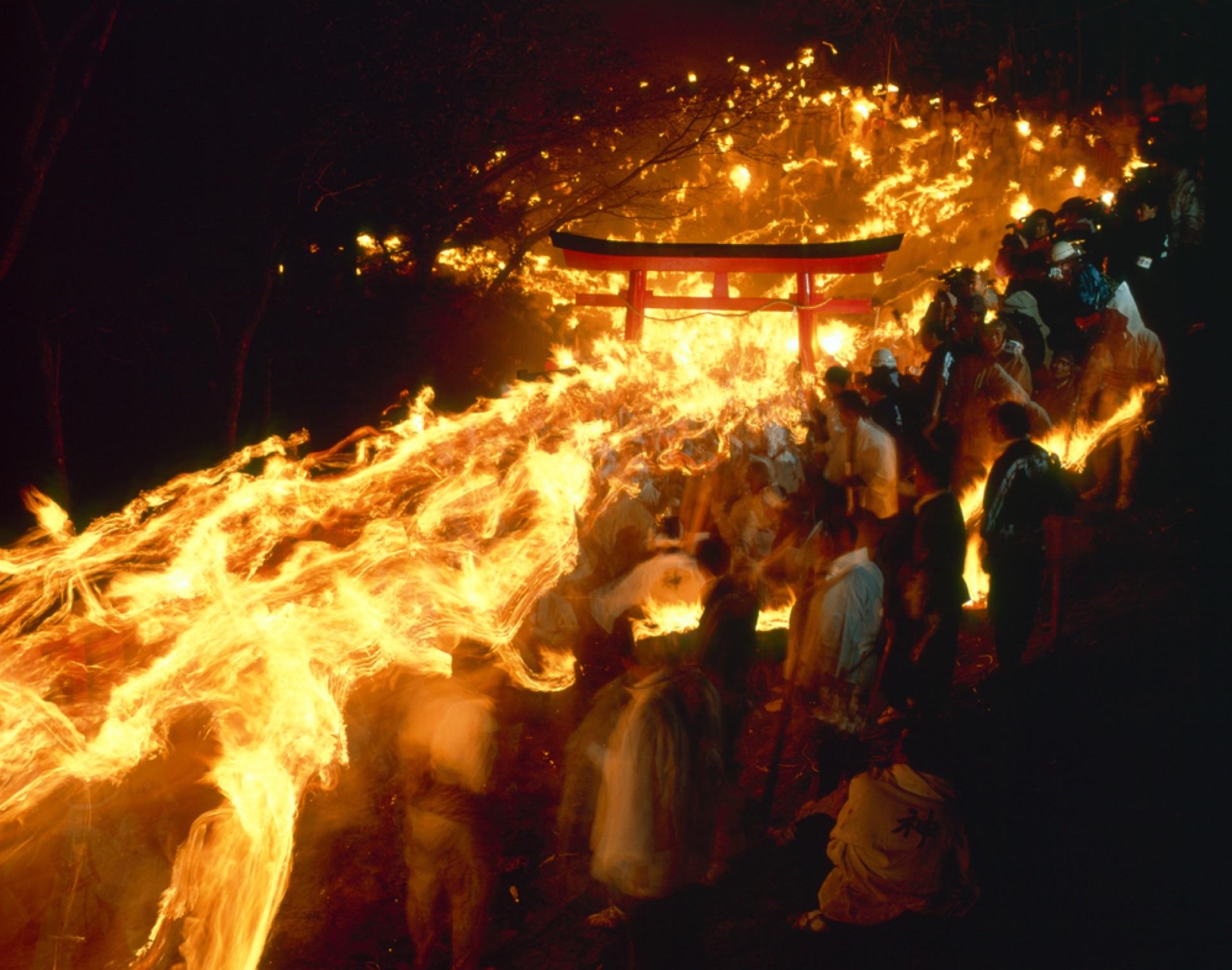
The Otō Matsuri in Shingu is more than just a nighttime spectacle
Every year on the night of February 6, the town of Shingu is wrapped in the heat of fire. In the Otō Matsuri, men dressed in white race down the stone steps of Kamikura Shrine, torches in hand. The sight of blazing flames pouring down the mountainside is unforgettable once you've seen it.
That said, the challenge for visitors is that it's late at night, in the dead of winter, with large crowds. The quality of your experience often depends less on the festival itself than on how you plan the hours around it. Here's how to put together your day as a spectator.
Things to decide before the day arrives
Staying the night before or the night of the festival is the safest bet
By the time the festival ends, trains and buses in the area have thinned out considerably. If you're planning a day trip, check your return transportation in advance. If you stay in Shingu, you can savor the lingering excitement without rushing off. Accommodations tend to fill up early, so book as soon as your dates are set.
Follow the day's guidance for viewing spots and restrictions
The area around Kamikura Shrine is full of narrow lanes and stone steps, and access or traffic may be restricted depending on the time. Specific viewing areas and traffic controls can change from year to year, so check the latest information from Shingu City or the local tourism association before you go.
How to spend the day: quiet by day, settling in by evening
Spend the daytime strolling leisurely around Shingu Station and conserve your energy. The nighttime viewing involves far more time standing than you might expect.
Start your cold-weather prep from the feet up and around the neck
- Thick socks and comfortable walking shoes
- A scarf or neck warmer
- A jacket that's easy to move in and layer
- Gloves and a small hand warmer
It may feel warm near the flames, but the mountain-rimmed waiting areas are bitterly cold. Keep your luggage light so you can move freely through the crowds.
Spectators have a role to play, too
Before it's a tourist event, the Otō Matsuri is a sacred ritual passed down by local people. The participants (nobori-ko) have undergone purification. When taking photos, avoid bright lights and flashes, follow the staff's instructions, and don't linger too long in one spot. Watching quietly and respectfully is the greatest tribute you can pay to the festival.
The next morning: walk through Shingu with the memory of the flames
The day after the festival, the town falls suddenly quiet. That contrast is part of what makes the trip memorable.
If you have time, visit Kumano Hayatama Taisha and reflect on how last night's fire ritual fits within the broader Kumano faith. As for the stone steps at Kamikura Shrine, check the condition of the footing and whether the area is open, then climb only as far as feels comfortable. Gotobiki Rock, seen in the bright light of day, shows an entirely different face from its nighttime self.
In closing: place the night of fire at the heart of your journey
The appeal of the Otō Matsuri in Shingu lies not only in the power of the flames but in the atmosphere of a whole town coming together for a single night. Give yourself room by staying the night before, bundle up properly, and walk through the quiet town the next morning. Plan your day this way, and your winter journey through Kumano will take on a much deeper meaning.
Image: 神倉神社 お燈祭り (via (公社)和歌山県観光連盟)


