 LOCAL FIT KUMANOBack to list
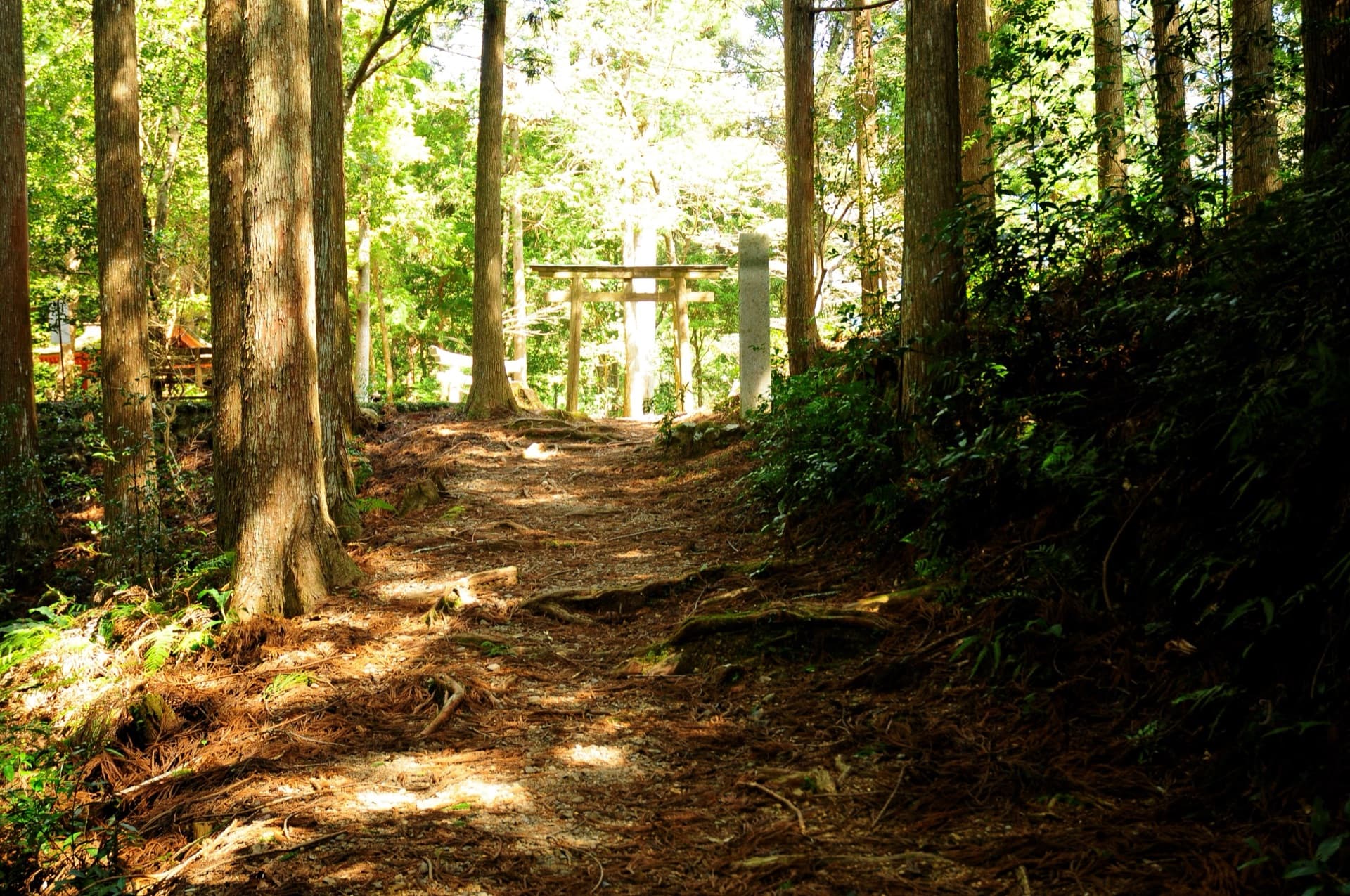
What Are the Oji Shrines of Kumano? Small Shrines Scattered Along the Old Road
As you walk the Kumano Kodo, you'll come across small shrines and stone markers inscribed with names ending in '-oji' along the wayside. For English-speaking travelers, these are often introduced as Oji shrines Kumano or 'Kumano Kodo oji,' and they are a defining presence that gives the pilgrimage route its distinctive character.
Despite the word 'oji' (literally 'prince'), these are not shrines to human princes. They are shrines dedicated to the 'mikogami'—the divine child deities of the Kumano gods—and they have been placed at intervals along the pilgrimage route since ancient times.
The Term 'Ninety-Nine Oji'
From the Heian period through the medieval era, Kyoto aristocrats made the long journey to Kumano on pilgrimage. The oji shrines strung along their route are collectively known as the Ninety-Nine Oji (Kujūkyū Ōji). Rather than taking 'ninety-nine' as a literal count, it is better understood as 'too many to count.'
For pilgrims, the oji served as the following kinds of places:
- Places to press one's hands together and pray for safe travels
- Places to pause, rest, and compose body and mind
- Places to feel oneself drawing closer to the sacred realm of Kumano
Even for us walking today, the oji serve as cues to 'stop here for a moment.'
The Five Major Oji ('Gotai Ōji') to Remember First
Among the many oji, those considered to hold especially high rank are the Five Major Oji (Gotai Ōji).
- Fujishiro-oji
- Kirime-oji
- Inabane-oji
- Takijiri-oji
- Hosshinmon-oji
Just remembering the names will give you useful landmarks when looking at a map. Takijiri-oji, for example, is often described as the gateway to the Nakahechi route, while Hosshinmon-oji is spoken of as a key waypoint near the end of the journey to Kumano Hongu Taisha.
Oji Are Not Always Grand Shrine Buildings
The important thing is not to expect every oji to have an impressive shrine hall.
- Some oji are just small, quiet shrines tucked away in the trees
- Some remain only as stone markers or signboards
- Some are still cherished today as the guardian shrine of a local village
- Some stand among cedar groves, easily passed by without notice
Many have changed form over the centuries. Rather than focusing on visible grandeur, the pleasure of visiting the oji lies in sensing the lingering presence of 'a path of prayer once passed through here.'
Etiquette Before an Oji
You don't need to memorize any special rituals. The following attitude is enough:
1. Give a small bow before the shrine and quietly press your hands together
2. Since these are also places of faith for local people, avoid speaking loudly or lingering too long
3. Do not climb on the shrine or stone markers, and do not touch offerings
4. Take photos from positions that do not disturb others who are praying
A Walking Tip: Use the Oji as 'Milestones'
On the old road, using the oji as timing for breaks makes walking easier. At each oji, do a small check-in: drink some water, inspect your footwear, and glance over your map. Setting the next oji as a small goal gives you mental breathing room, even on long stretches.
Rather than trying to visit every oji, it's realistic to decide, 'Today I'll walk as far as this oji,' based on your itinerary. Since distances and trail conditions vary by section, be sure to check the latest information before setting out.
Summary
The Oji shrines of Kumano are small 'milestones of prayer' that still breathe along the pilgrimage routes. Keep the names of the Five Major Oji in mind, and pause for a moment before each small shrine you find. Just that will make the scenery of the old road look a little different. As pre-walk preparation, try making the word 'oji' a watchword for your journey.
Image: 熊野古道中辺路 発心門王子 (via (公社)和歌山県観光連盟)


