 LOCAL FIT KUMANOBack to list
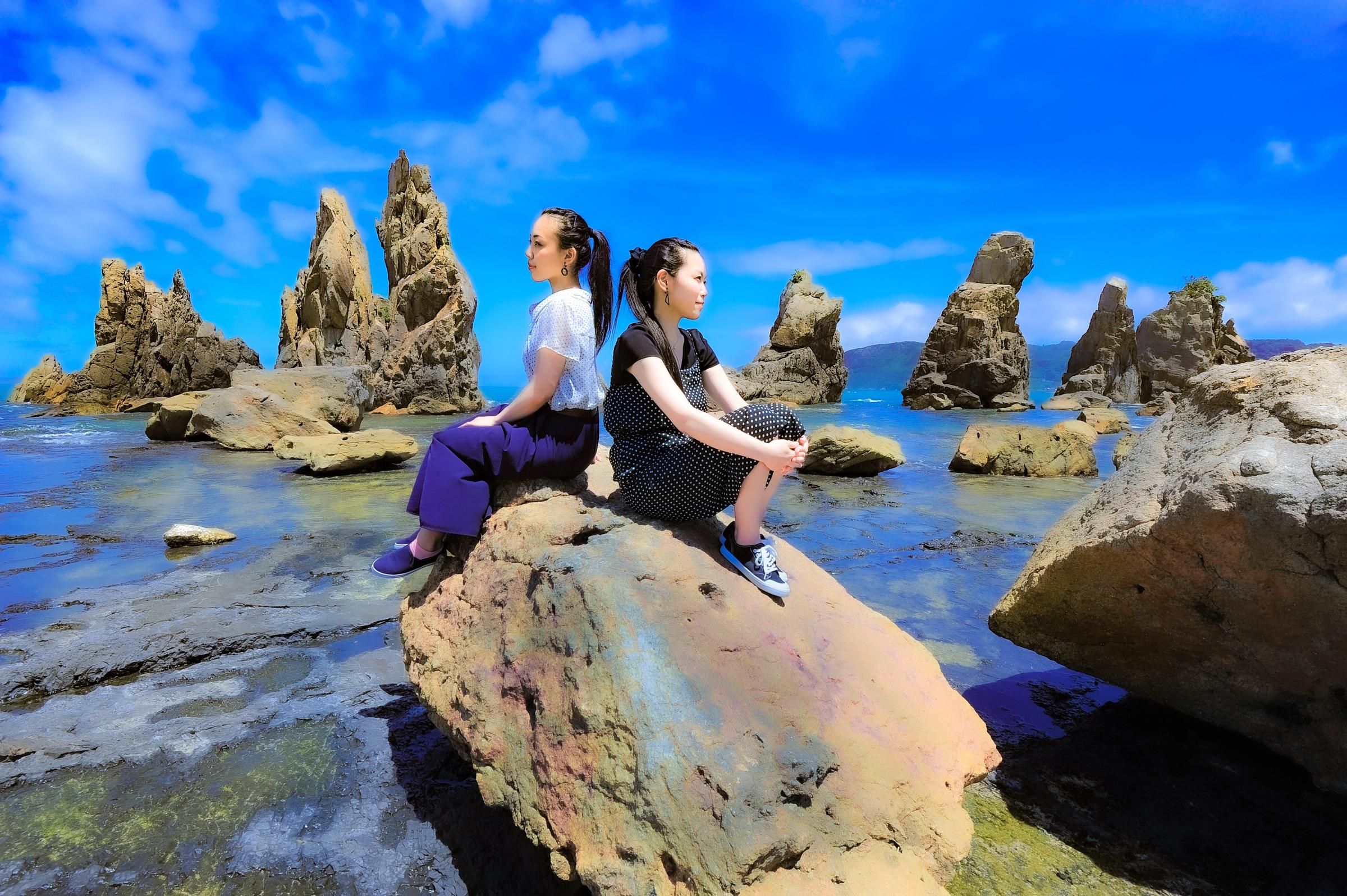
On the southern side of the Kii Peninsula, the sea and mountains come close together. The charm of a scenic drive in Nanki lies not in visiting famous spots as isolated points, but in savoring the coastal road as a 'continuous sequence of landscapes.' Rather than simply listing spots, this article considers the order in which you drive and how to make use of the light.
Think of Nanki's Scenic Drives in Three Landscapes
Nanki's coastline shifts in character as you move from north to south, then east. Grasping it roughly in the following three scenes makes planning your trip much easier.
① Shirahama: Views of Cliffs and Sunset
The area around Shirahama is filled with landscapes that open up toward the sea. Engetsu Island is known for the natural arch through its middle, and is loved as a scene that pairs beautifully with evening light. Spots like Sandanbeki and Senjojiki feature cliffs and broad rock plateaus pressing into the sea, leaving a strong impression of crashing waves and vast scale.
If you're heading to the coast in the evening, the trick is to arrive a little earlier than you'd expect from sunset time. The drive back after dark can be tricky on winding roads, so it's reassuring to set your lodging or next destination nearby.
② Kushimoto: Capes and Curious Rock Formations
Heading south from Shirahama, you'll reach the Kushimoto area, home to Cape Shionomisaki, the southernmost tip of Honshu. In addition to the openness of the cape jutting into the sea, scenery like Hashikui-iwa — with rocks lined up heading out to sea — gives you a sense of a land where 'the geography itself is the attraction.'
Hashikui-iwa, where rocks stretch toward the sea, is also recommended viewed in the morning light. Its appearance changes with the tides and the weather, so stopping by at different times of day can bring new discoveries even in the same place.
③ From the Kumano Sea to Shichirimihama: Long Beaches and Big Skies
Curving east along the Kumano Sea, the scenery shifts from 'rocks' to 'long, continuous beaches.' Shichirimihama is a pebble beach that stretches out gracefully, and you can feel the vastness of the sea even from your car window. Nearby are spots where scenery and history overlap, such as Onigajo, with its rocky outcrops carved by sea erosion, and Hananoiwaya, which has long been a place of worship.
Tips for Driving That Show Off the Scenery
Choose East-Facing Coasts in the Morning, West-Facing Coasts in the Evening
If you want to see the sunrise, pick a coast that opens to the east; for sunsets, go with one that opens to the west. Dividing your plan by purpose makes it less likely to go wrong. Since the orientation of the Kii Peninsula's coastline changes, it's a good idea to check the direction of the sea on a map before you move.
Don't Try to Do Everything in One Day
In Nanki, the roads continue with more curves and ups-and-downs than you might expect. Even if distances look short on a map, you'll need to allow extra time for travel. Rather than cramming in sights, narrow your core scenic stops to 2–3 per day so you can also make time for photos and breaks.
Refuel and Rest Early
On coastal roads, gas stations and places to eat can be spaced far apart. It's safer to refuel as soon as the tank drops below half. Try building roadside stations (michi-no-eki) and viewpoints with good scenery into your itinerary as buffer time.
Don't Forget Safety and Etiquette
- Don't stop suddenly for photos: Even if you notice a stunning view, drive on to a place where you can stop safely.
- Avoid parking on shoulders or narrow roads: These are also local residents' living roads. Use parking lots or designated areas.
- Check the weather and sea conditions: On days with strong winds or high waves, don't get too close to the shore.
- Don't push it on rainy or foggy days: When visibility is poor, prioritize driving — and have the courage to shorten your plans.
In Closing: Enjoy the Road Itself as Scenery
On a Nanki drive, not only the destinations but the 'time spent driving' is part of the scenery. Shirahama's cliffs and sunset, Kushimoto's cape and curious rocks, the long beaches of the Kumano Sea — savor them in sequence, and the changing expressions of the sea become the story of your journey. Plan with some breathing room, and search for your own favorite shot. Also, be sure to check official sources for the latest opening conditions at each spot and up-to-date road information before you head out.
Image: 橋杭岩 (via (公社)和歌山県観光連盟)


