 LOCAL FIT KUMANOBack to list
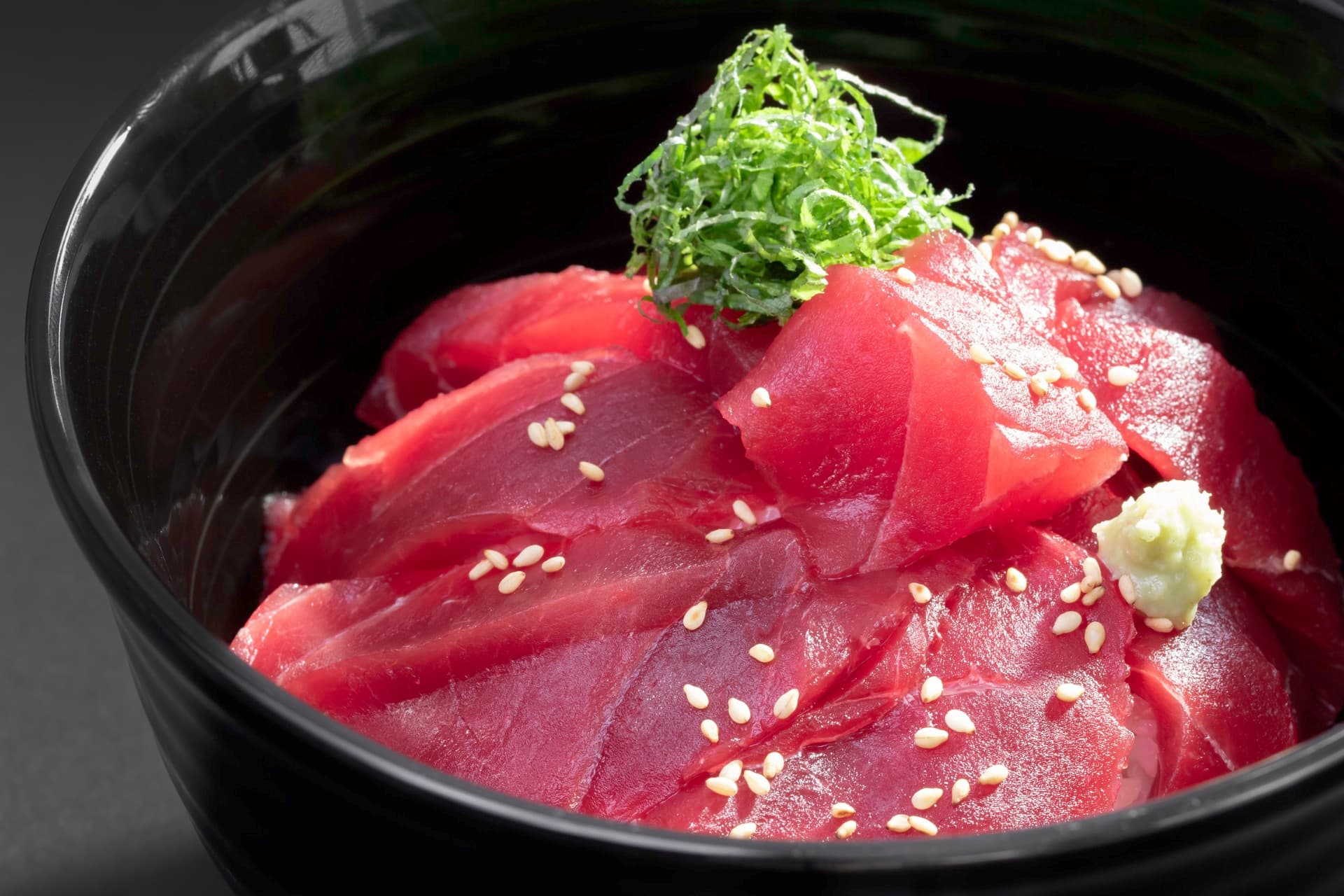
Nachikatsuura: A Port Town of "Fresh Tuna"
Facing the Kumano-nada Sea, Nachikatsuura has long been deeply connected to tuna fishing. Katsuura Fishing Port is known throughout Japan as a port where tuna is landed fresh rather than frozen — hence the name "nama-maguro" (fresh tuna). Adding some time to savor the ocean's bounty at the port during your journey to Kumano Nachi Taisha and Nachi Falls makes for a day where you can feel both the mountain faith and the coastal way of life.
This article offers perspectives for tasting and comparing fresh tuna in Nachikatsuura, along with things to keep in mind before heading to the Katsuura Fishing Port morning market. Operating days, hours, and prices can change depending on the season and conditions, so please check the latest information at the town's tourist information center before setting out.
Three Angles for Comparing Fresh Tuna
Even though we casually say "tuna," the flavors can vary greatly. When comparing, keeping these three angles in mind makes the differences easier to notice.
1. Compare by Species
Representative species include bluefin (kuromaguro), bigeye (mebachi), yellowfin (kihada), and albacore (binnaga/bincho). Which species are available changes from day to day depending on the season and the catch.
- Bluefin: Known for its rich umami and sweet, fatty flavor
- Bigeye: A well-balanced mix of lean meat and fat, with an approachable taste
- Yellowfin: Characterized by light, slightly tangy lean meat
- Albacore: Soft and delicate on the palate
What's on offer each day is a matter of chance. Asking locals, "What's good today?" is part of the fun.
2. Compare by Cut
Beyond lean (akami), medium fatty (chutoro), and fatty (otoro) cuts, parts like the cheek (hoho-niku), collar (kama), and bloodline meat (chiai) are also worth tasting. Even from a single fish, the expressions range from light and refreshing to rich and melting. Choosing an assorted platter lets you experience the differences in one go.
3. Compare by Preparation
Simple sashimi, marinated (zuke), topped with grated yam (yamakake), or served over rice (zuke-don) — the preparation method changes the impression significantly. Try the first slice plain, then with soy sauce, to better notice the aroma and firmness unique to fresh tuna.
How to Enjoy the Katsuura Fishing Port Morning Market
Mornings at the port start early and are full of energy. The days the market is held and what's available can be influenced by the season, weather, and the day's catch.
- Check the market days and hours in advance
- Mornings are cool and the sea breeze can be strong, so bring a layer and non-slip shoes
- The port is a workplace for fishery workers. Be mindful not to block paths or interfere with their work
- When taking photos, be considerate of people and ongoing work, and ask when appropriate
Taking in the port atmosphere at the morning market first, then moving on to a restaurant for your tasting, connects "seeing," "learning," and "tasting" into one flowing experience.
A Recommended Half-Day Itinerary
1. Morning: Walk around Katsuura Fishing Port to soak in the atmosphere and see the morning market
2. Late morning: Choose an assorted fresh tuna platter or set meal at a restaurant and compare species and cuts
3. Afternoon: Head toward Mt. Nachi to enjoy Nachi Falls and the atmosphere of the Kumano Kodo
Since restaurants can get crowded, it's a good idea to move a little earlier than usual.
In Summary
Fresh tuna in Nachikatsuura becomes a memorable travel experience when compared across three angles: species, cut, and preparation. If you savor it after experiencing the early morning port atmosphere at the Katsuura Fishing Port morning market, even a single slice will feel more meaningful. Be sure to check the latest operating information and take your time enjoying the bounty of Kumano's sea.
Image: マグロ丼 (via (公社)和歌山県観光連盟)


