 LOCAL FIT KUMANOBack to list
Another Landscape at the Entrance to the Ancient Road
Tanabe City is known as the starting point of the Nakahechi route of the Kumano Kodo. From its outskirts across to neighboring Minabe Town stretches a slightly curious scene: mountain slopes packed densely with plum trees. Even just gazing out the bus or train window before or after walking the old road, many visitors quickly realize, "Ah, this is plum country."
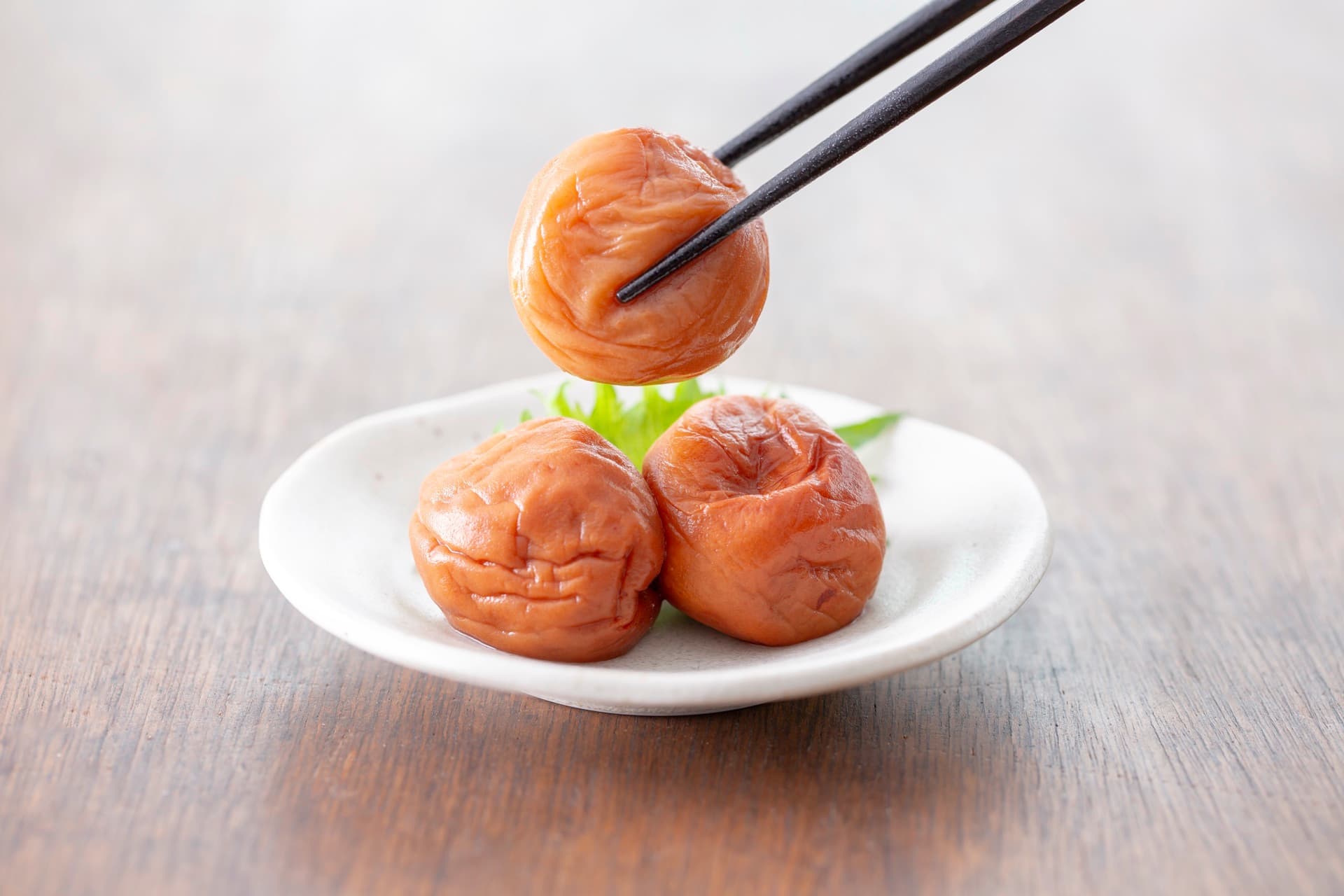
Plum cultivation across this area was designated a Globally Important Agricultural Heritage System (GIAHS) in 2015 as the "Minabe-Tanabe Ume System." Umeboshi (pickled plums) may be a familiar dining-table staple, but behind them lies a long partnership between the land and its people.
The Plum Groves Are Built on the Wisdom of 'Keeping the Mountain'
Plums, Because the Slopes Were Too Poor for Rice
The land here is steeply sloped, the soil is thin, and it was never well suited to rice farming. What took root instead was plum cultivation. Around the plum groves, mixed woodlands providing firewood and charcoal material have long been preserved. Rather than clearing all the trees to make fields, people shaped their livelihoods while leaving part of the mountain intact.
In Blossom Season, It's the Bees' Turn
Plum trees bloom from late winter into early spring. Since it's still cold, honeybees are indispensable for carrying the pollen. This is the background behind describing the plum trees, insects, and people together as a "system" in which each plays its role.
A Loose Guide to Seasonal Highlights
- Winter to early spring: Plum blossom season. White flowers color the slopes, and a soft fragrance drifts through the air. Peak viewing shifts year by year, so it's best to check local tourist information just before your visit.
- Early summer: The fruit ripens and harvest time approaches. When the green plums are picked, the whole region grows a little busier.
- Summer: The harvested plums are salted and dried in the sun. This scene, known as *doyo-boshi* (midsummer sun-drying), is a quintessential summer sight.
A Word to Know Before Choosing Umeboshi
The variety name *Nanko-ume* is said to come from the fact that teachers and students at a local high school took part in the surveys that identified it. Large, with soft skin and thick flesh, it is the plum that represents this land.
When choosing souvenirs, these points will help:
1. Flavoring: Options range from traditional salt-only versions to mellow honey-infused ones.
2. Size: Choose based on ease of eating and purpose (rice balls, tea-time snacks, etc.).
3. How you'll eat them: Imagine how you'll use them — on their own, with rice, or as a secret ingredient in cooking — and you're less likely to make a mistake.
A Natural Companion to Walking the Old Road
Umeboshi have long been a reliable portable food for walkers. The saltiness and tartness are welcome rewards for a body that has worked up a sweat. Hearing about plums in Tanabe on your way to or from the ancient road, and slipping a small package into your pack — building your trip around moments like these is a very fitting way to enjoy this region.
Most plum groves are private property, and access should be considered carefully during harvest or working seasons. Please enjoy them from the road or designated viewing spots, with respect for the lives and work of local people.
In Closing
At the entrance to the Kumano Kodo's "road of prayer" lies the "plum landscape" of people who have lived alongside these slopes. Next time you visit Tanabe, take a moment to look out at the plum groves and think a little about the story behind the umeboshi. That familiar single plum is sure to look just a bit different than before.
Image: 梅干し (via (公社)和歌山県観光連盟)


