 LOCAL FIT KUMANOBack to list
A "Leaf-Wrapped Rice Ball" Born in the Mountains of Kumano
As you travel through Kumano, you'll come across round rice balls wrapped in green leaves at roadside stations, local eateries, and rest spots along the old pilgrimage routes. This is "mehari-zushi." A local specialty made by tightly wrapping rice in salted or lightly pickled takana (mustard green) leaves, it is said to be deeply tied to life in Kumano's mountain villages.
Although it's called "sushi," it differs a little from sushi made with vinegared rice. Its charm lies in its rustic simplicity and the casual ease of picking it up and taking a big bite.
Does the Name Come from "Eyes Wide Open"?
Several theories are told about the origin of the name. The most well-known is that you have to open your mouth so wide to eat one that your eyes also open wide ("me wo miharu"). Another says that its deliciousness makes your eyes go wide with surprise. Interpretations vary from region to region and household to household. Rather than deciding which is correct, it's best enjoyed as a piece of local lore.
It's also often said that people working in the mountains and along the rivers valued mehari-zushi as a convenient lunch — one that didn't dirty the hands and tasted good even when cold. In a way, the image overlaps with that of travelers walking the Kumano Kodo.
As a Lunchbox for Your Day on the Kodo
Personally, I'd recommend mehari-zushi as lunch on a day you're walking the old pilgrimage routes. Here's why:
- You can eat it with one hand: No chopsticks needed, whether you're sitting on stone paving or a log bench
- The saltiness of the leaf pairs well with the rice: After sweating on the trail, that gentle salty flavor is wonderful
- Unwrapping it is part of the fun: Peel back the green leaf and the white rice stands out beautifully
Quietly unwrapping your lunch beside a small Oji shrine or a grove of cedars creates a memory that lingers long after the trip. Be sure to take all wrappings and trash home with you after eating.
A Little Tip for Enjoying It
Takana leaves differ in tenderness and sharpness depending on the variety and pickling method. First, try a bite as-is and taste the balance between leaf and rice. Fillings and seasonings vary by household and shop, so comparing different versions makes for a fun detour.
A Few Things to Keep in Mind When Buying
Popular lunchboxes can sell out early in the day. If you're heading onto the Kodo, it helps to check availability the day before or early in the morning. Since opening hours and reservation policies can change, it's a good idea to contact each shop in advance.
Also, since mehari-zushi can spoil easily in summer, bring an ice pack or cooler bag and eat it reasonably early in the day.
Kumano's Food Is the Taste of "People Who Walk"
Beyond mehari-zushi, Kumano offers many other flavors — like sanma-zushi (mackerel pike sushi) — that grew out of a life of walking, working, and traveling. They aren't flashy, but they suit both the body and the landscape.
On your next walk along the Kumano Kodo, tuck a little green parcel into your backpack. A rice ball eaten in the mountain breeze is sure to become part of the scenery of your journey.
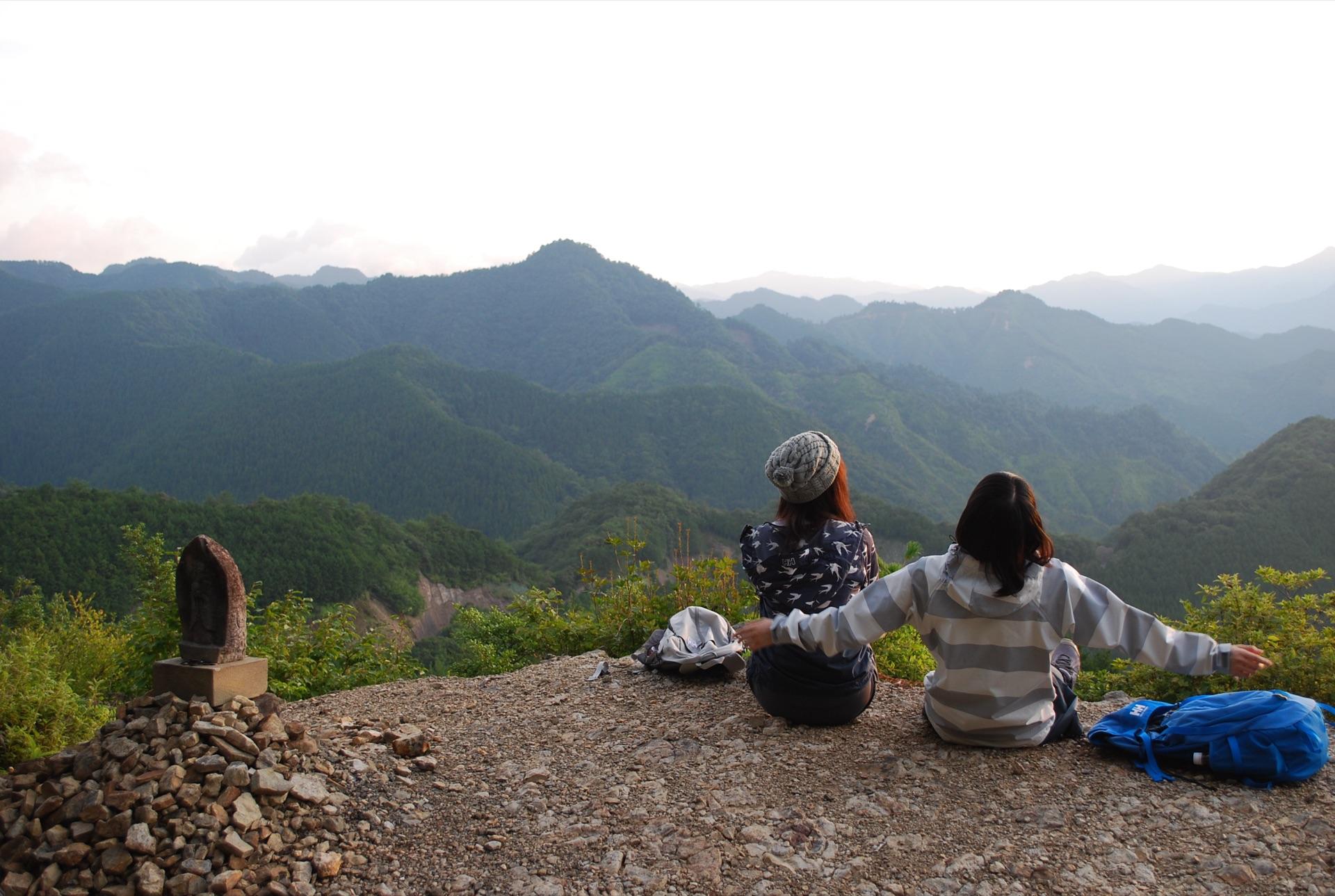
Image: 熊野古道中辺路 百間ぐら (via (公社)和歌山県観光連盟)


