 LOCAL FIT KUMANOBack to list
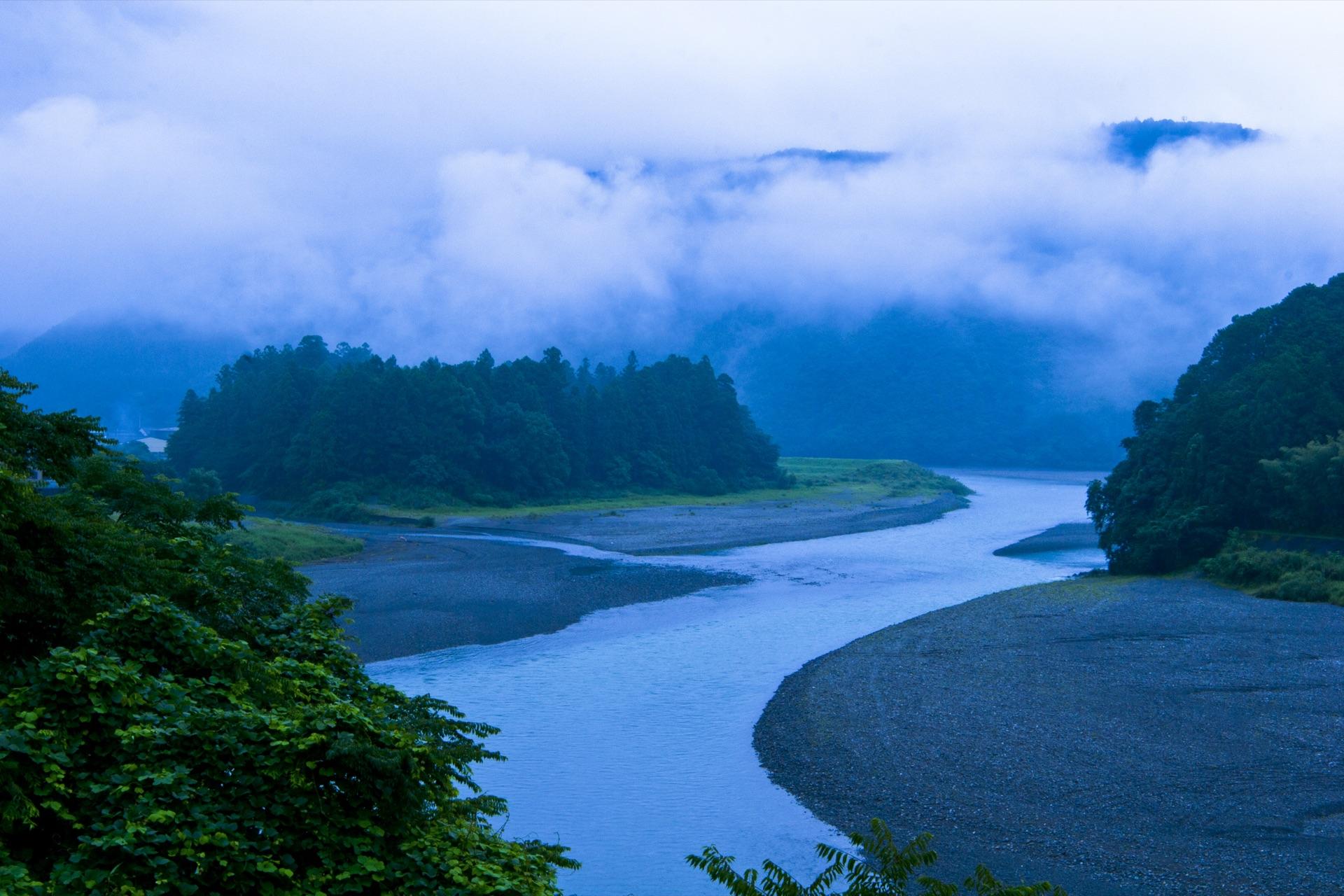
"I want to keep working — but I'd also like to get away from my usual desk for a while." More and more people are thinking of Kumano as a workation destination for exactly this reason. That said, Kumano is a wide area with sights scattered throughout. Try to cover too much ground, and both work and sightseeing can end up half-done.
This article is for anyone considering a Kumano workation for the first time, with tips on how to choose your base and build a daily rhythm.
Who is a Kumano workation suited for?
Kumano's appeal lies in having the sea, rivers, mountains, and hot springs all close by. Step outside between work sessions, and the scenery shifts in an instant.
- People who want to alternate between focused thinking (such as planning or brainstorming) and refreshing changes of pace
- People who'd rather savor the "time" spent in one place than rack up the "number" of sights seen
- People who can settle in for a few days to a week in a single location
On the other hand, days packed with meetings or work that requires constant high-speed, stable internet can be a burden anywhere — not just in Kumano. For your first try, we recommend starting with "a few days of lighter workload."
Choose your base from three types
① Mountain villages with hot springs
These are the hot spring areas around Hongu, such as Yunomine and Kawayu. They're quiet, and soaking in the bath at night makes it easy to switch off. The trade-off is that shopping and dining options are limited, and getting around means relying on buses or a car.
② Seaside port towns
Towns like Nachikatsuura, where the sea and the station are close together. The advantages are plenty of dining options and easy access by train. You can start your day breathing in the morning air by the harbor.
③ Cities near the station
Cities such as Shingu and Kii-Tanabe, which serve as rail hubs. These suit people who prioritize easy transport and dining out, and from here you can venture out to the ancient trails, shrines, and temples.
The Kumano-style daily rhythm
We recommend the flow of "walk in the morning, work at midday, soak in the evening."
Morning: A short walk to wake up your mind
For 30 minutes to an hour before work, walk a section of a nearby ancient trail, along a river, or up a shrine approach. You don't need to go far. Getting outside in the morning makes the hours spent at your desk later in the day feel more pleasant.
Midday: Concentrate work in the morning or afternoon
Decide in advance where your main work block will sit in the day. For blocks of time with meetings or deadlines, working from your lodging and fixing both place and time helps you feel settled.
Evening to night: Switch off with a bath and a meal
When work is done, head to the hot spring. Kumano's hot springs are the perfect "end-of-work signal." At night, rather than forcing yourself to go out, turning in early is just about the right rhythm.
Three things to check before you set out
Since the specific facilities vary by lodging and location, be sure to confirm directly before booking.
1. Connectivity: Can you use it reliably inside your lodging? In mountainous areas, signal strength can vary by location.
2. Workspace: Is there a desk and chair? Where are the power outlets? Is it comfortable to sit for long stretches?
3. Getting around: How frequent are the buses, and how will you get back? If you're relying on public transport, keep daytime outings short.
Packing tips
In addition to your usual PC gear, an extension cord, a spare power bank, comfortable walking shoes, and a light jacket all come in handy. On rainy days, rather than forcing yourself outside, it's also fine to simply mark it as a day to focus on work.
In closing
A workation in Kumano suits "living slowly" more than "seeing a lot." Narrow your base down to one place, and build your working hours around a morning walk and an evening soak. After a few days, you'll likely find that sitting down at your desk feels a little lighter, too.
Image: 熊野川 (via (公社)和歌山県観光連盟)


