 LOCAL FIT KUMANOBack to list
"So how much should I actually budget for a trip to Kumano?" It's the question travelers most want answered before setting out, but fares and rates vary widely depending on the season, your choice of lodging, and your point of departure. Rather than quoting specific figures, this article offers a way of thinking that helps you estimate on your own. Because Kumano's attractions stretch across sea, river, and mountain, the makeup of your expenses will shift depending on the style of your trip.
First, sort your expenses into five boxes
Start by dividing your travel spending into these five categories:
1. Round-trip transportation (from your starting point to Kumano)
2. Local transportation (bus, train, taxi, rental car)
3. Lodging
4. Meals
5. Experiences, shrine offerings, souvenirs, and contingency funds
Sorting things into boxes makes it easier to see "where costs are likely to balloon." On a Kumano trip, items 1 and 2 tend to take up an especially large share.
Reading "transportation costs" the Kumano way
Kumano is vast, and its hubs are spread far apart. As a result, differences in trip cost often come less from the grade of your lodging and more from how you piece together your transportation.
If you travel by public transport
Trains run along the coast, while buses head into the mountains. More than the fares themselves, it's the limited number of departures that matters — this narrows the number of places you can visit in a day, which can mean adding extra nights of lodging. Checking the timetables and your return connections in advance will help you avoid budget miscalculations.
If you rent a car
A car offers great freedom, but you'll pay for the rental, gas, parking (where available), and the mental load of driving mountain roads. The per-person cost tends to drop as your group grows, so think it through based on the number of people traveling with you.
Adding a taxi for short stretches
Another approach is to rely on public transport but take a taxi only for stretches where bus service is sparse. If you accept it as spending money to buy time, it's a strategy that often boosts your overall satisfaction.
Reviewing your "flexible expenses"
These are the items where it's easiest to adjust your budget:
- Timing and day of the week: Lodging and transportation fill up during long weekends and peak seasons; shifting to weekdays opens up more options.
- Meal plan at your lodging: Room-only, breakfast-included, and two-meal plans each shape your food costs differently. In small villages with few nearby restaurants, a dinner-inclusive plan can actually bring peace of mind.
- Number of stops: The more you try to pack in, the more both transportation and activity costs climb. Simply "cutting one thing this time" leaves room in both your budget and your schedule.
Decide which expenses you won't cut
Focusing only on saving money can compromise the quality and safety of your trip. Here are three expenses worth securing in advance:
- Your ride home: In mountain areas, missing the last bus can mean a steep extra cost.
- Preparation for rain and heat: Rain gear, drinks, and comfortable walking shoes are directly tied to travel safety.
- Contingency funds: Weather and timetables can change your plans. Setting aside 10–20% of your budget as a separate "reserve" gives you peace of mind.
Carry a bit of extra cash
Small shops, village inns, and buses are often easier to pay at with cash. Small coins come in handy for shrine offerings and small purchases, too. Check with your lodging and the facilities you'll visit in advance about accepted payment methods.
Steps for building your estimate
1. Lock in your round-trip transportation first
2. Decide the number of nights and your meal plan
3. Choose one mode of local transportation, confirming your return connections
4. Set a budget line for experiences, shrine offerings, and souvenirs
5. Finally, add a contingency reserve
Follow this order and you'll avoid the "it cost more than I thought" surprise later on. With a trip to Kumano, satisfaction comes less from cutting costs and more from deciding where to spend and where to let go. Find the balance that works for you, and set off at your own pace.
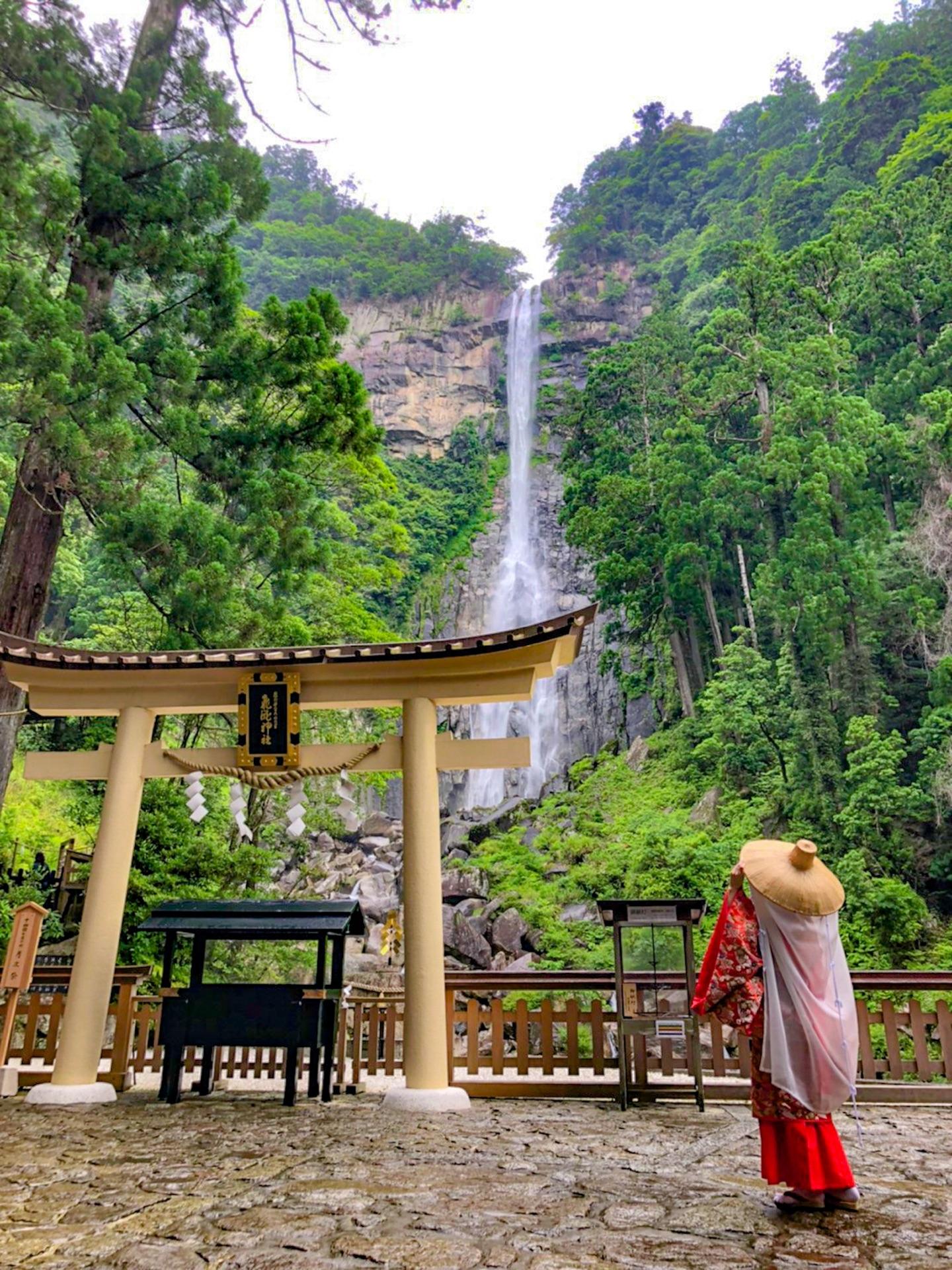
Image: 那智の滝 (via (公社)和歌山県観光連盟)


