 LOCAL FIT KUMANOBack to list
What Is Kumano Faith? A One-Line Summary
Kumano faith is the spiritual tradition that reveres the mountains, rivers, and sea of the Kumano region in the southern Kii Peninsula as sacred, and that has grown up around the Kumano Sanzan — the three grand shrines of Kumano Hongu Taisha, Kumano Hayatama Taisha, and Kumano Nachi Taisha. Rather than following one fixed doctrine, it is a broad and welcoming faith woven together from awe of nature, the fusion of kami (gods) and buddhas, and prayers for the next life.
Thread 1 | The Heart That Worships Nature Itself
The oldest layer of Kumano faith is thought to be nature worship. Deep mountains, abundant waters, and a wild sea — in this land, nature was not merely scenery, but the very manifestation of the gods.
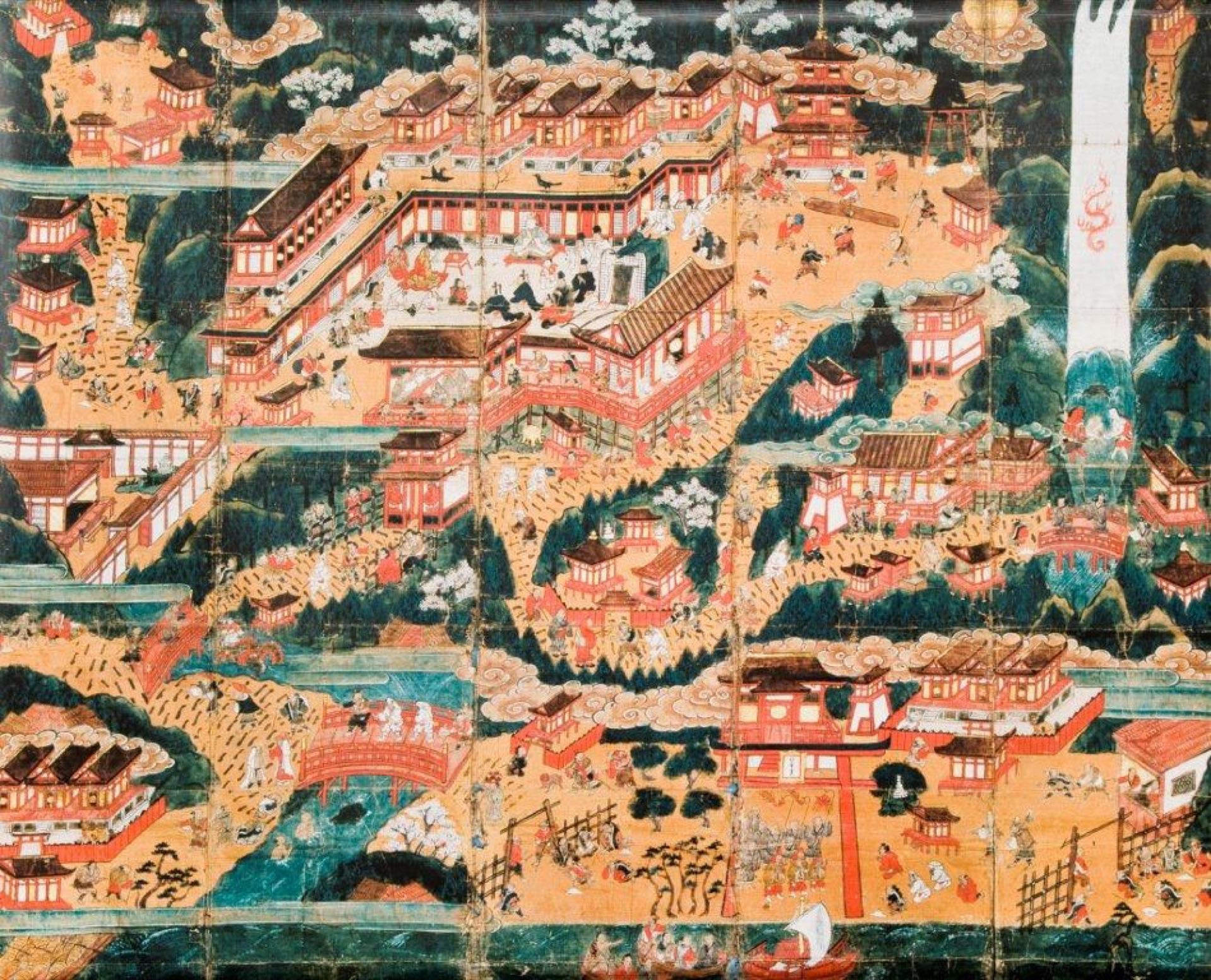
- Nachi Falls: The waterfall itself has long been revered as a deity.
- Gotobiki Rock (Kamikura Shrine): A place where the gods were believed to descend upon a massive boulder.
- Oyunohara (Hongu): The former shrine grounds, once situated on a sandbar in the Kumano River.
At each of the three shrines, the presence of water and stone still runs strong. When you visit, try to turn your eyes not only to the shrine buildings but also to the surrounding nature.
Thread 2 | 'Shinbutsu-shūgō' — Where Kami and Buddhas Overlap
In Kumano, the fusion of Shinto and Buddhism — known as shinbutsu-shūgō — took deep root. The gods of Kumano are also called 'Kumano Gongen,' and each is paired with a Buddhist deity.
- Hongu: Amida Nyorai (Amitabha Buddha)
- Hayatama: Yakushi Nyorai (Medicine Buddha)
- Nachi: Senju Kannon (Thousand-Armed Kannon)
At Mt. Nachi, the sight of the Shinto shrine Kumano Nachi Taisha standing side by side with the Buddhist temple Seiganto-ji is a living reminder of this tradition.
Thread 3 | Pure Land Belief and Shugendō — Longing for Paradise
In the Heian period, Kumano captured the hearts of people in the capital as 'a place where one could draw close to the Pure Land in this very life.' Retired emperors and nobles made the long pilgrimage again and again, and eventually commoners too walked the paths in such numbers that the procession was likened to 'ants on pilgrimage to Kumano.'
Kumano was also closely tied to Shugendō, the mountain-ascetic tradition practiced by yamabushi, who carried Kumano's teachings across the country. The presence of Kumano shrines all over Japan is a testament to how far this faith spread.
The Spirit of Kumano: 'Turning No One Away'
One major reason Kumano faith has been loved for so long is that it has welcomed all visitors, regardless of social status, gender, or depth of belief. Those burdened with illness or worries also walked the roads carrying their prayers. This generosity of spirit lies behind Kumano's reputation as a sacred place of 'rebirth.'
How to Connect With This Faith on a Modern Journey
You don't need any specialized knowledge.
1. Visit even just one of the three shrines: Simply feeling the atmosphere is enough to start.
2. Walk part of the ancient pilgrimage trails: Among the stone-paved paths and cedar groves, imagine the footsteps of those who walked before you.
3. Take in the natural surroundings: Quietly join your hands before a waterfall, a river, or a great rock.
In 2004, the region was inscribed on the UNESCO World Heritage List as 'Sacred Sites and Pilgrimage Routes in the Kii Mountain Range,' recognizing the cultural value created by the unity of faith and landscape.
In Summary
Kumano faith is a culture of prayer formed by the overlapping of reverence for nature, a flexibility that makes no distinction between kami and buddhas, and a longing for the next life. If you keep these 'three threads' in mind as you walk, the landscapes of Kumano will take on a far richer depth. On your next journey to Kumano, take a moment before you pray to remember the history of prayer that fills this land.
Image: 熊野那智山宮曼荼羅 (via (公社)和歌山県観光連盟)


