 LOCAL FIT KUMANOBack to list
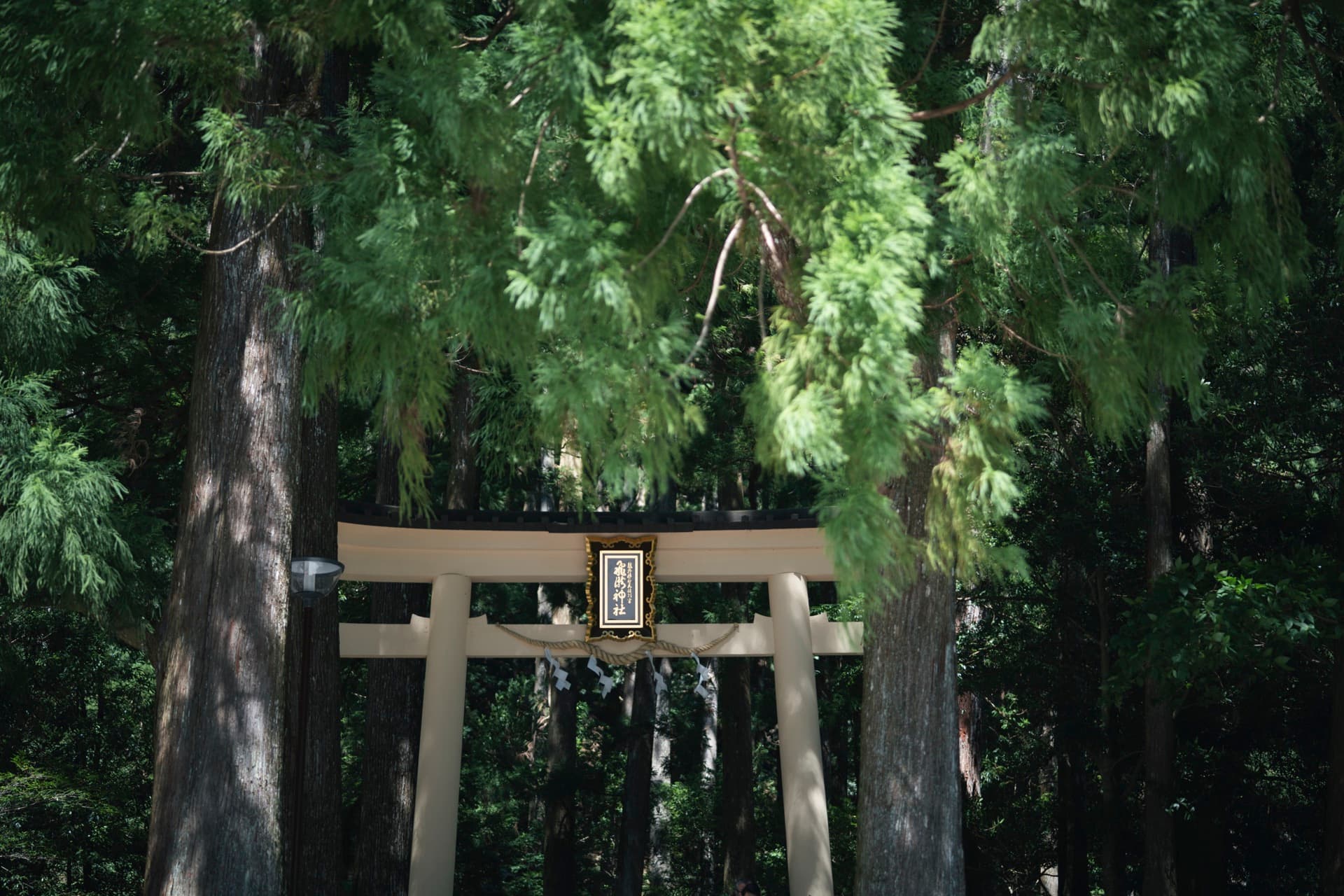
You may have heard the term 'Kumano Sanzan,' but many people still wonder, 'What exactly does it refer to?' or 'Why three shrines?' From a local perspective, Kumano Sanzan is not only the name of pilgrimage destinations but also the very story of faith rooted in this land. Here, we take our time to sort through the basics worth knowing before your journey.
What Are the Kumano Sanzan? A Collective Name for Three Grand Shrines
Kumano Sanzan is the collective name for the following three shrines:
- Kumano Hongu Taisha (Hongu-cho, Tanabe City, Wakayama Prefecture)
- Kumano Hayatama Taisha (Shingu City, Wakayama Prefecture)
- Kumano Nachi Taisha (Nachikatsuura Town, Wakayama Prefecture)
Each of the three sits in a slightly different setting: Hongu nestled among the mountains, Hayatama in the riverside port town of Shingu, and Nachi near the sea on Nachisan. In 2004, they were registered, along with the Kumano Kodo and other sites, as part of the UNESCO World Heritage 'Sacred Sites and Pilgrimage Routes in the Kii Mountain Range.'
The Distinct Character of Each Shrine
Kumano Hongu Taisha | A Shrine Wrapped in Mountain Stillness
The shrine stands against a backdrop of deep forest, at the confluence of the Kumano, Otonashi, and Iwata Rivers. Its original site was Oyunohara, and it is said that the shrine was moved to its current higher ground after a devastating flood in the Meiji era. The legend of the Yatagarasu (three-legged crow) guiding travelers is also closely tied to Hongu's image.
Kumano Hayatama Taisha | A Vermilion Shrine at the Mouth of the Kumano River
Located in the center of Shingu, this shrine is known for its striking vermilion-lacquered buildings. Situated at the mouth of the Kumano River—a crossroads of people and goods—it has long been deeply connected with river transport. The Gotobiki Rock at nearby Kamikura Shrine is said to be the very origin of this shrine's faith.
Kumano Nachi Taisha | A Shrine on Nachisan with Views of Waterfall and Sea
Set on the mid-slope of Mt. Nachi, the shrine lies a short distance from Hiro Shrine, which enshrines Nachi Falls itself as its sacred object. Together with the neighboring Seiganto-ji Temple, the scenery preserves the atmosphere of the once-blended Shinto-Buddhist tradition. From here, you can sense mountains, waterfall, and the distant sea all at once.
Why 'Three as One'?
The three shrines are believed to have begun from separate traditions of faith and, over a long span of time, grew intertwined—eventually enshrining one another's deities as well. In the medieval period, under the concept of honji-butsu (viewing the kami as manifestations of Buddhas), they came to be associated with Amida Nyorai, Yakushi Nyorai, and Senju Kannon.
There is also a tradition of experiencing the three shrines as representing past, present, and future lives on a pilgrimage. This is one spiritual interpretation—a story that pilgrims have received and embraced in their own way.
The Background of the Kumano Pilgrimage
Kumano has long been known as a sacred place that welcomed everyone, regardless of status, gender, or religious background. Beginning with pilgrimages by retired emperors and nobles in the Heian period, commoners later followed in such long lines that the phrase 'ants' pilgrimage to Kumano' was born. The journey of walking rugged mountain paths to worship was cherished as a pilgrimage of 'rebirth.'
For Those Learning About the Kumano Sanzan for the First Time
The three shrines are far apart, and travel between them takes time. Rather than rushing to visit all three at once, we recommend tailoring your itinerary to your purpose—perhaps 'focusing deeply on one shrine this time' or 'feeling the differences among the three.'
The Kumano Sanzan is not simply three tourist spots, but 'one sacred site' where prayers have been layered together with the nature of mountain, river, and sea. Knowing even a little of this background will surely change how you perceive the air of the precincts and the worn stone steps beneath your feet.
Image: 那智の滝 (via (公社)和歌山県観光連盟)


