 LOCAL FIT KUMANOBack to list
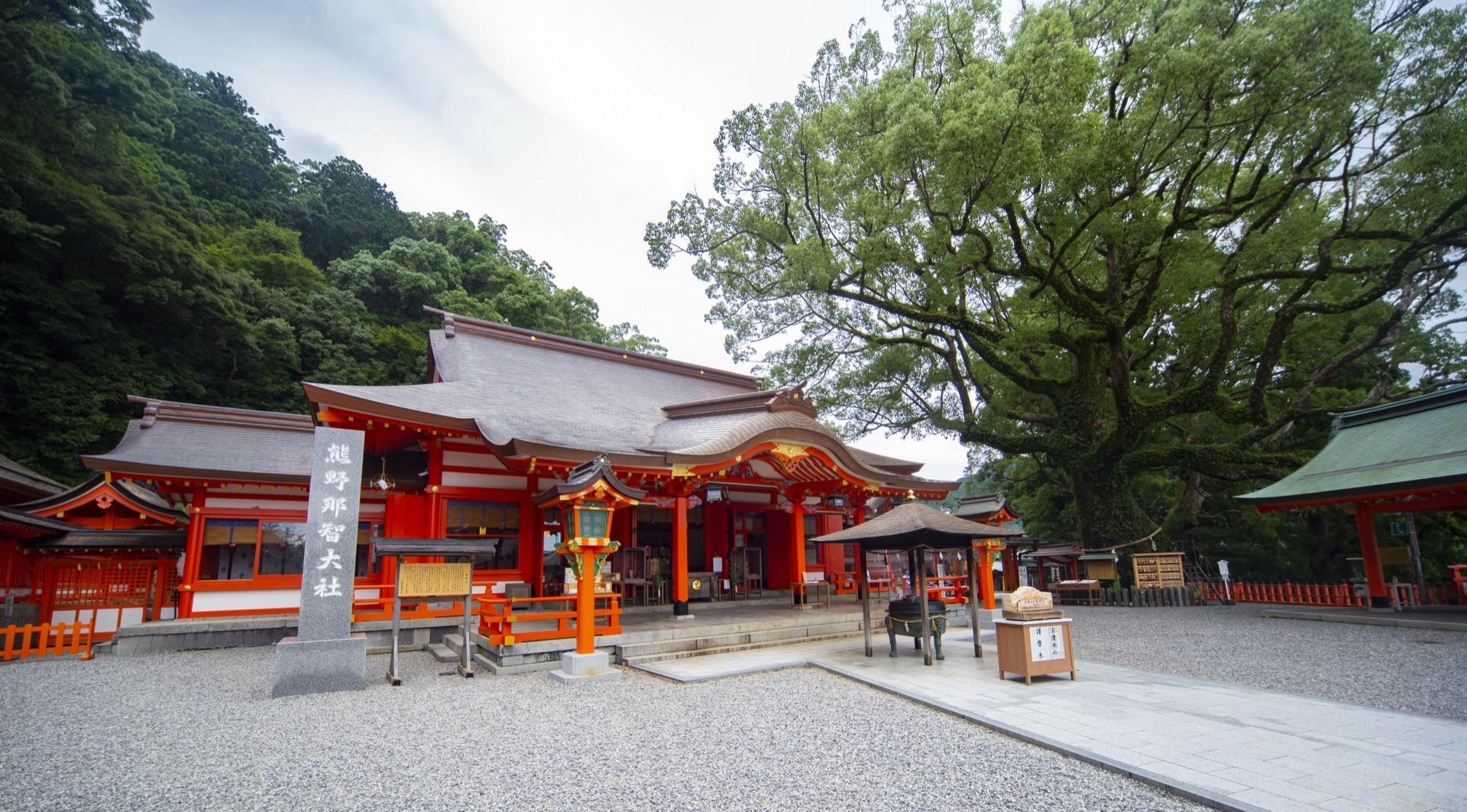
Once you've decided to make a pilgrimage to the Kumano Sanzan, many travelers start wondering, "Where should I buy a goshuin book?" Should you bring one from home, or pick one up on site? It's a natural question. This article organizes where to buy a goshuin book for the Kumano Sanzan along the flow of your trip.
*Please note that availability, designs, reception hours, and suggested offerings may change. Before visiting, please check the official information for each shrine or temple.*
First, think of the reception office at the shrine you visit
The goshuin book that tends to leave the strongest memory is the one you receive at the reception office of the shrine or temple you actually visit. The Kumano Sanzan refers to the following three shrines:
- Kumano Hongu Taisha (in the mountains at Hongu)
- Kumano Hayatama Taisha (in central Shingu)
- Kumano Nachi Taisha (on the mid-slope of Mt. Nachi)
Each precinct has a reception or administrative office, and alongside amulets and goshuin stamps, you'll often find goshuin books featuring motifs unique to that shrine. However, designs and availability can vary depending on the season. Enjoy the possibility that "there may be a design only available here," and feel free to ask on site.
At Mt. Nachi, consider Seigantoji separately
On Mt. Nachi, Seigantoji Temple stands right next to Kumano Nachi Taisha. Shrines and temples have separate windows for goshuin. Deciding in advance whether to combine them into a single book will save you from hesitation on the day.
How to think about picking one up mid-journey
If you're visiting all three shrines, receiving your goshuin book at the first shrine you visit is the most straightforward approach. From there, you can collect all three stamps in a single book, and your travel record flows naturally.
- Pick it up at the first shrine: For those who want all three shrines in the same book.
- Pick it up at the last shrine: For those who want to choose based on the overall impression. However, note that any goshuin received before then will be on separate paper or in another book.
- Prepare in advance: From bookstores, online shops, or local souvenir shops. For those who want to take their time choosing a design.
More than where you buy it, deciding "at which shrine you'll receive the first page" will add to the satisfaction of your trip.
Three things to decide before you buy
1. One book for all three shrines, or one for each?
Combining all three shrines into one book is the common approach, but collecting an individual book from each shrine is also a lovely way to enjoy it. It's entirely up to your preference.
2. Size and usability
If you're combining your visit with walking the old pilgrimage trails, a smaller and lighter book is less bulky to carry. A clear pouch or zipper bag is reassuring on rainy days.
3. Choose a design true to Kumano
Kumano is symbolized by the Yatagarasu, the three-legged crow said to guide travelers. Looking for crow motifs or designs unique to each shrine is another joy of the journey.
After receiving your book
As a rule, goshuin are received after paying your respects. Pray at the main hall first, then head to the reception office. During busy hours, you may have to wait. In some cases, goshuin are given on pre-written slips, so please follow the on-site guidance as to whether they can be written directly into your book.
In summary
The basic approach for goshuin books of the Kumano Sanzan is to receive one at the reception office of the shrine or temple you visit. Choosing a book at the first shrine and adding a page at each of the three shrines as you go is a flow that ties beautifully to the memories of your journey. With a little preparation and some breathing room, your Kumano pilgrimage will feel all the more meaningful.
Image: 熊野那智大社 (via (公社)和歌山県観光連盟)


