 LOCAL FIT KUMANOBack to list
Before You Search for 'Kumano Sanzan Goshuin Prices'
Most people searching for the cost of goshuin at the Kumano Sanzan want a rough idea of what to budget so they're not caught off guard on the day. However, prices are set individually by each shrine or temple and are subject to revision. Rather than listing specific amounts, this note focuses on how to prepare so you won't be flustered on the day. For the latest prices, please check the notices posted at the reception desks on-site or the official information from each shrine and temple.
Goshuin Are Offerings, Not Purchases
At shrines, the money given when receiving a goshuin is generally called a 'hatsuho-ryo' or 'shino' (votive offering). Rather than being the price of a product, it is positioned as a token of gratitude for receiving proof of your visit.
- Shrines typically use the term 'hatsuho-ryo'; temples often use 'nokyo-ryo' or 'shino'
- Follow the guidance posted at the reception desk, and if unsure, simply ask there
- It is not something to haggle over or compare prices for
Knowing this mindset in advance helps you receive your goshuin with a calm, respectful heart.
Preparing Money for the Three-Shrine Pilgrimage
The Kumano Sanzan consists of three shrines: Kumano Hongu Taisha, Kumano Hayatama Taisha, and Kumano Nachi Taisha. At Nachisan, Seiganto-ji — the first temple on the Saigoku Pilgrimage — stands right next to Kumano Nachi Taisha, and visitors typically worship at both the shrine and the temple together. You can choose whether or not to receive a goshuin at each.
Bring Plenty of Coins and a Few 1,000-Yen Bills
At reception desks, it is considered thoughtful to pay without requiring change. If you plan to visit all three shrines and Seiganto-ji, it's reassuring to prepare plenty of coins and several 1,000-yen bills. Along the mountain approach roads, it can be difficult to break larger bills, so exchange your money before setting out.
One Goshuin Book or Several?
It's entirely up to you whether to collect all three shrines in a single book or dedicate a book just to Kumano. If you already have another goshuin book, you can simply continue in that one. However, some people prefer not to mix shrine and temple goshuin in the same book, so if that bothers you, it's best to keep them separate.
Tips for a Smooth Experience on the Day
- Pay your respects first, then head to the reception desk. A goshuin is proof of your visit.
- Remove any bookmarks or covers so the goshuin book opens easily when you hand it over
- You may be given a pre-written sheet ('kakioki') instead, so carry a clear file to keep it flat for the trip home
- During busy hours there can be waits, so leave extra time before your return bus or train
- Reception hours vary by shrine and temple, so visit with time to spare
If You're Combining with a Kumano Kodo Walk
If you're arriving at the Sanzan after walking the Kumano Kodo, keep your wallet somewhere easy to reach so you're not fumbling with sweaty or rain-soaked hands. Storing your goshuin book in a zippered bag will keep it safe from moisture.
In Summary
For goshuin at the Kumano Sanzan, rather than memorizing the exact prices, what matters most is being ready to check on-site and having coins prepared. Sort out the money side in advance, and you'll be free to fully savor the ancient path of faith guided by the three-legged Yatagarasu crow.
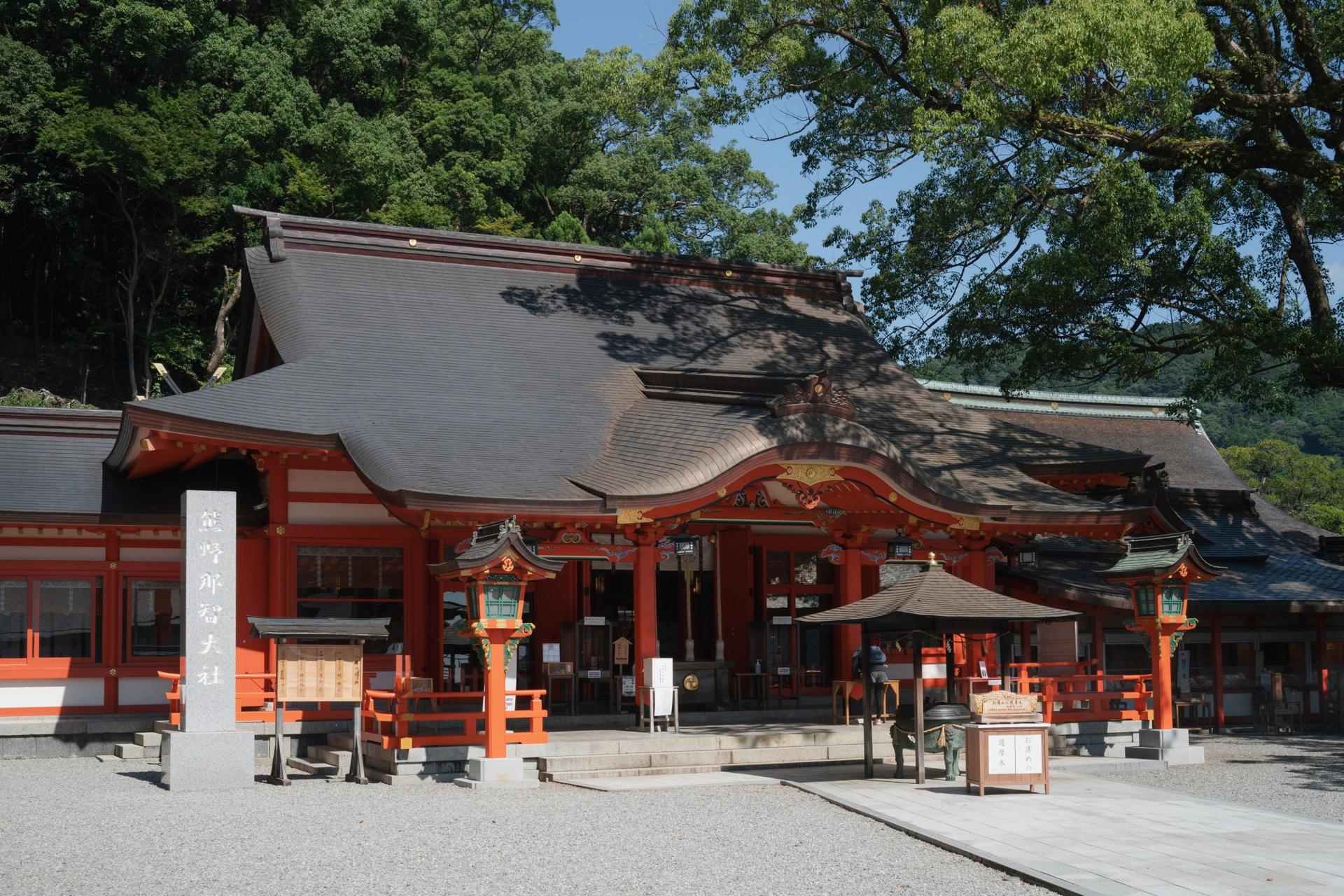
Image: 熊野那智大社 (via (公社)和歌山県観光連盟)


