 LOCAL FIT KUMANOBack to list
The Goshuin Pilgrimage of the Kumano Sanzan as a "Record of Worship"
Kumano Hongu Taisha, Kumano Hayatama Taisha, and Kumano Nachi Taisha. The goshuin (sacred seal) pilgrimage of the Kumano Sanzan, which takes you through these three grand shrines, is a popular way to preserve memories of your journey in a single book. However, goshuin are not meant to be collected as an end in themselves — they are received as proof that you have offered your prayers. Keeping this spirit in a corner of your mind will deepen the flavor of your travels.
Rather than discussing the order in which to visit or how to get around, this article focuses on the preparations and mindset to bring before and after receiving a goshuin.
Three Things to Prepare Before You Set Out
1. Decide whether to use one book or separate ones
Combining all three shrines into a single book is lovely, and preparing a dedicated book just for your Kumano journey is also wonderful — when you look back later, the flow of your trip comes alive on the page. If you plan to use a book that already contains goshuin from other shrines or temples, some travelers prefer to think about the order of the pages. If you're unsure, simply use the book in whatever way feels most comfortable.
2. Bring small coins, a writing tool, and something to protect loose papers
Goshuin are received by offering a small monetary donation as a gesture of gratitude. Keeping small coins in an easy-to-reach spot in your wallet will help you avoid fumbling. In case you receive a pre-written paper (kakioki), it's reassuring to have a clear file folder on hand to prevent creases or stains.
3. Check official information in advance for how and when goshuin are offered
The location, hours, and method for receiving goshuin can change depending on the season or special events. Before planning your trip, check each shrine's official website or local notices for the latest information.
Before Receiving a Goshuin, First Place Your Hands Together in Prayer
The custom is to receive a goshuin only after completing your worship. When you arrive, give a slight bow before the torii gate, purify your hands and mouth at the water basin, and offer your greeting at the main hall. Only then should you head to the goshuin office — and when you do, each stroke of ink will take on a different meaning.
When there is a line, be mindful of those behind you. Opening your book to the right page while you wait will help things go smoothly. Follow local guidance regarding photography and proper conduct while a goshuin is being written for you.
The Joy of Comparing the Seals and Brushwork of the Three Shrines
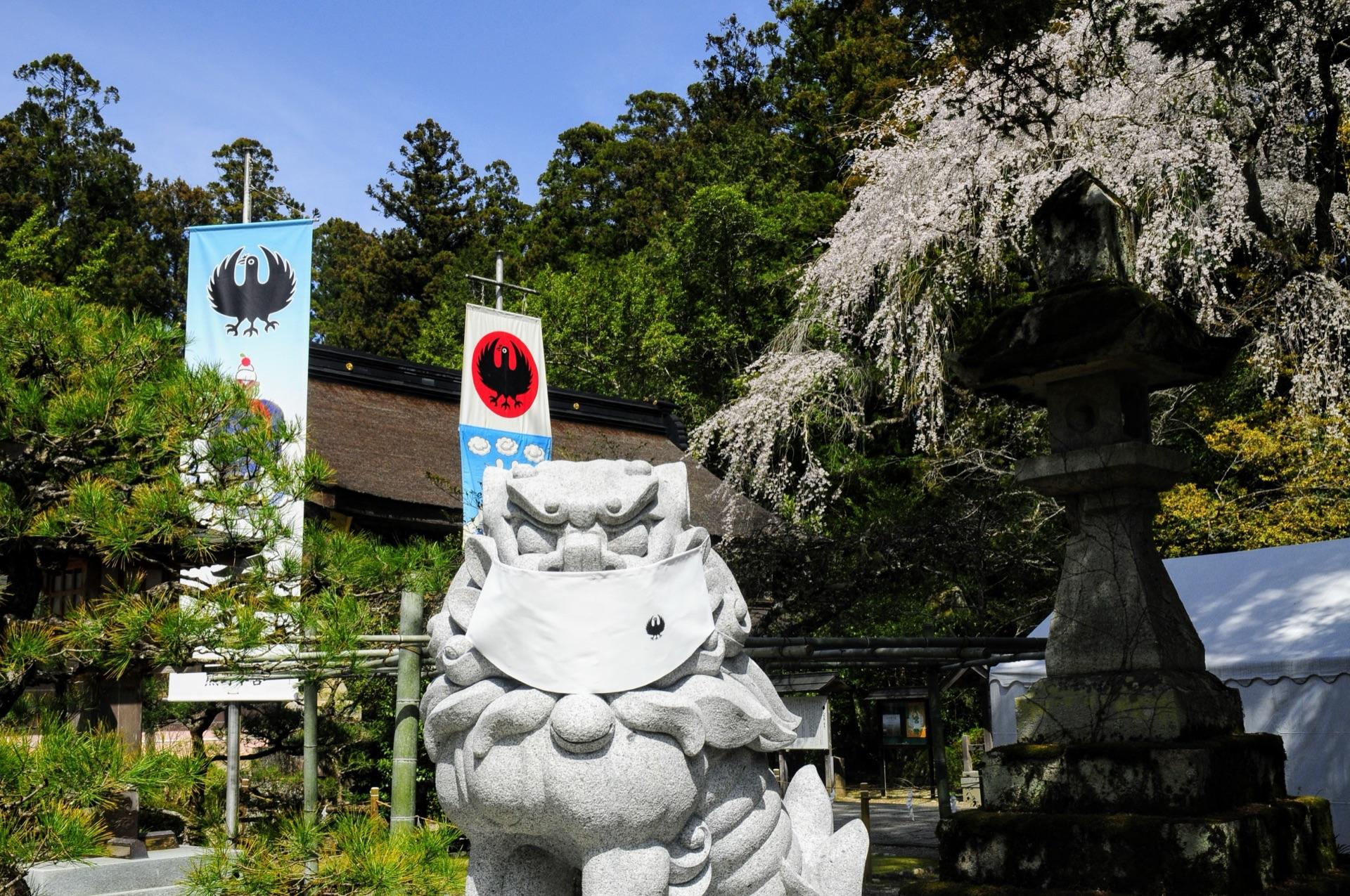
After visiting all three shrines, lay the pages side by side and you'll notice that each shrine has its own distinctive seal design and style of brushwork. Encountering motifs related to the Yatagarasu (three-legged crow), unique to Kumano, offers a moment to feel the local faith traditions.
At Mt. Nachi, Kumano Nachi Taisha and the neighboring Seiganto-ji temple preserve the legacy of shinbutsu-shūgō (the syncretic fusion of Shinto and Buddhism) to this day. Because goshuin from shrines and temples have different characters, it's also fascinating to compare them with an awareness of the distinction between "shrine goshuin" and "temple goshuin." We introduce the flow of worship at Seiganto-ji in a separate article as well.
A Word from the Locals
Kumano is a land of long distances — through mountains, along rivers, and beside the sea — and travel here takes time. Rather than rushing in pursuit of goshuin, cherish the time spent breathing in the air of the shrine grounds, gazing at the stone steps and the great trees.
The completed pages of your book will absorb not only ink, but also the paths you walked, the weather you encountered, and the memories of people you met along the way. To quietly bring home the journey of Kumano, together with the fragrance of ink — that, more than anything, is the charm of the Kumano Sanzan goshuin pilgrimage.
Image: 熊野本宮大社 (via (公社)和歌山県観光連盟)


