 LOCAL FIT KUMANOBack to list
For the Kumano Sanzan, Prioritize "Walkable" Over "Dressy"
When visiting the Kumano Sanzan (Kumano Hongu Taisha, Kumano Hayatama Taisha, and Kumano Nachi Taisha), many travelers wonder, "Do I need formal attire since these are shrines?" The short answer is no — no special formal wear is required. That said, since you are visiting places to pay respects to the deities, it's reassuring to wear something clean-looking and easy to move in.
Unlike urban shrines, the Kumano shrines come with slopes, stone steps, and gravel paths. Rather than fashion, locals recommend thinking first about whether your clothes will keep you comfortable over a long walk.
Think About Your Outfit Based on How You'll Walk at Each Shrine
Kumano Hongu Taisha | Prepare for Stone Steps and Gravel on a Mountain Approach
Hongu sits nestled in the mountains, and you'll climb stone steps to reach the main sanctuary. Non-slip shoes with stable heels are best for your feet. If you also visit Oyunohara, the original shrine site, the walking distance increases further.
Kumano Hayatama Taisha | Easy Walking in Town, but Don't Let Your Guard Down
Hayatama is located in the city and feels relatively easy to walk around. Even so, parts of the grounds are gravel, so it's best to avoid heels and sandals. On days you combine it with strolling around town, sneakers are the most comfortable choice.
Kumano Nachi Taisha | Continuous Stone Steps and Slopes — the Most "Hike-Like" of the Three
Nachi sits atop a mountain, with stone steps and slopes continuing all the way up. If you climb from Daimonzaka, the stone pavement can become slippery when wet. Of the three shrines, this is the one where you'll want to pay the most attention to your footwear. For differences in temperature due to elevation, please also refer to our separate article on "Weather and Clothing at Nachisan."
Key Points for Shrine-Appropriate Attire
- Shoes: Walking shoes or trekking shoes are reliable. Break in new shoes before wearing them
- Tops: Choose something with sleeves and a clean appearance. Avoid clothing that is overly revealing
- Bottoms: Easy-to-move-in pants are handy. If wearing a skirt, opt for a longer length
- Hats and Sunglasses: Be prepared to remove your hat when praying and take off sunglasses in front of the main hall
- Outerwear: Bring one light layer that's easy to put on and take off to handle temperature changes
How to Think About Layering by Season
Spring and Autumn
These are seasons when morning, evening, and daytime temperatures can vary noticeably. A thin long-sleeved top combined with something you can throw over it works well.
Summer
Since you'll sweat easily, quick-drying fabrics are the most comfortable. Bring a hat to protect against the sun. Even on hot, humid days, a light cover-up is reassuring in case you get chilled on shady stone steps.
Winter
The mountain areas can get colder than you'd expect. Keep in mind accessories that warm your neck and hands, as well as foot warmth. Layering thin pieces is easier to adjust than wearing one thick item.
Handy Items to Bring
- A small backpack (keeping your hands free is reassuring on stone steps)
- Rain gear (rainwear is easier to walk in than an umbrella)
- A drink and a towel
- Bandages in case of blisters
- If you plan to collect goshuin (shrine stamps), bring your goshuin book and a pouch to carry it in
A Motto for When You're Unsure
"Dressed a bit more neatly than for a hike, as if going to meet the gods." With this mindset, you'll never go wrong at any of the three shrines. Get yourself ready, and take your time savoring the atmosphere of Kumano.
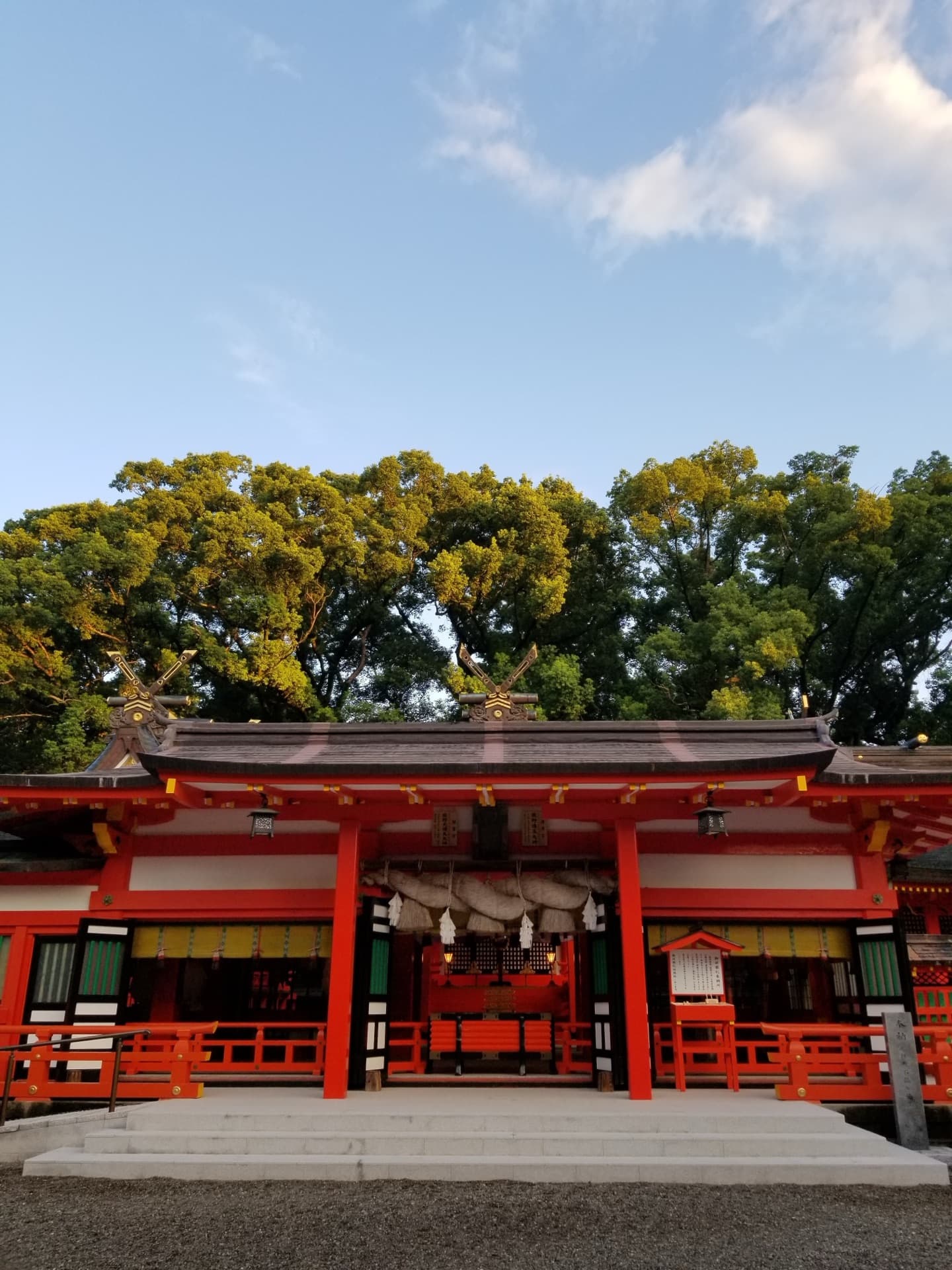
Image: 熊野速玉大社 (via (公社)和歌山県観光連盟)


