 LOCAL FIT KUMANOBack to list
Sanma Sushi: A Coastal Regional Flavor Rooted in Kumano's Table
When it comes to the local cuisine of the Kumano area, mehari sushi — eaten much like an onigiri rice ball — often comes to mind. But there's another dish that locals describe as indispensable at family tables and celebrations: sanma sushi.
Rather than introducing specific shops, this article focuses on "what kind of dish it actually is" and "why it has been loved in Kumano." With this in mind, the first bite you take on your trip should feel all the more meaningful.
What Kind of Sushi Is Sanma Sushi?
Generally, it refers to a type of pressed sushi made by filleting Pacific saury (sanma), curing it with vinegar, and shaping it together with vinegared rice to preserve the fish's whole form. Around Kumano, it's known as a "sugata-zushi" (whole-form sushi) that makes the most of the sanma's shape.
The flavor profile comes together like this:
- The refreshing tang and savory depth of vinegar-cured sanma
- The gentle sweetness and acidity of the vinegared rice
- Seasoning and finishing touches that vary from shop to shop and home to home
There's no single "correct" version — each sanma sushi tastes slightly different. This variation is exactly what makes it a true regional dish, passed down as a home-cooked flavor. Try comparing a few, and you'll understand why locals each speak proudly of "our family's taste."
A Background Shaped by Life Between Sea and Mountain
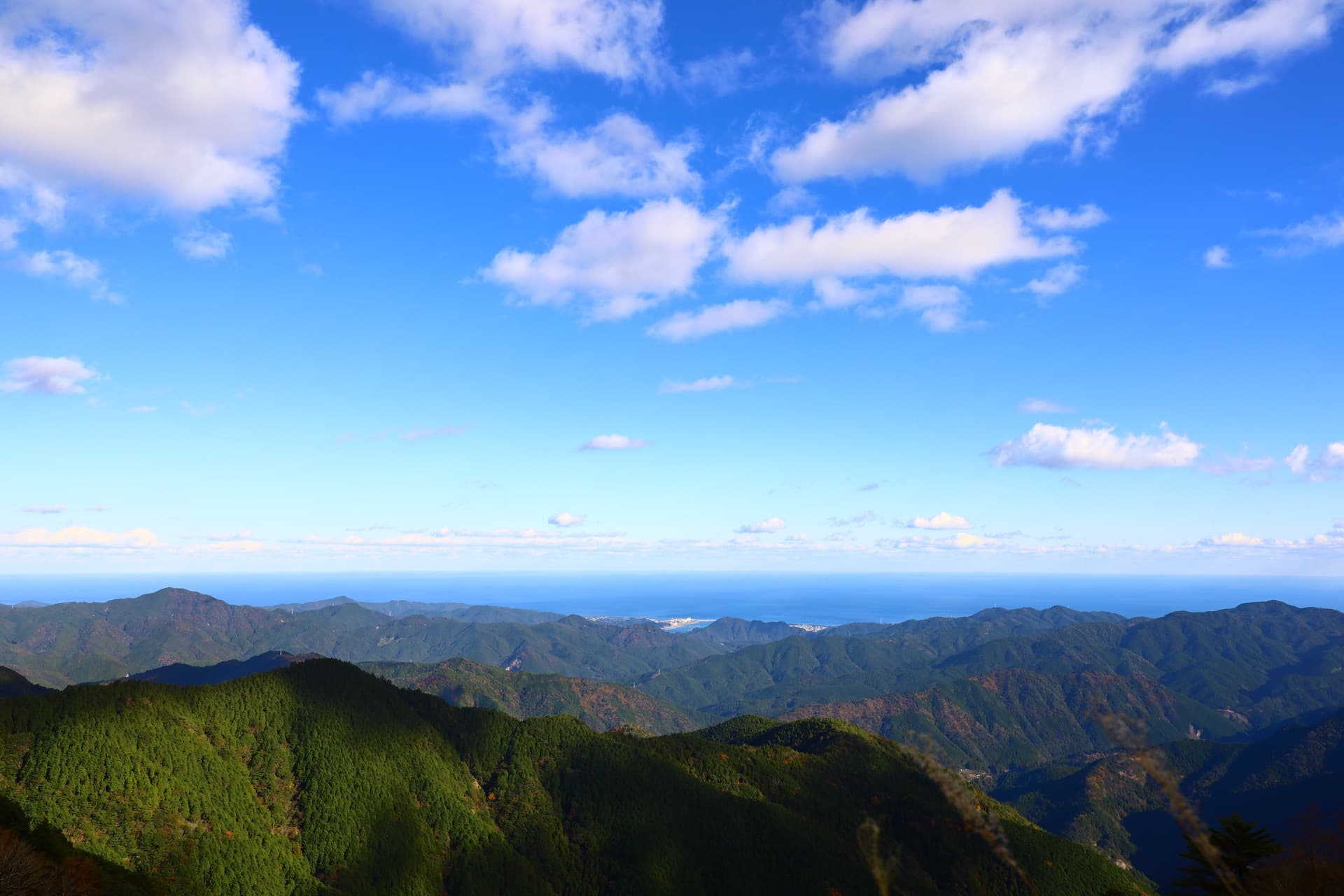
Kumano is a land cradled between the Kumano-nada Sea, where the Kuroshio current flows, and deep mountain ranges. While fresh fish was readily available, carrying it inland required careful methods of preservation and transport. The technique of curing fish in vinegar and turning it into sushi is said to be an extension of this wisdom.
Sanma sushi is also said to have long been enjoyed as a dish for festivals, gatherings, and other special occasions when people come together. Knowing that it has been made within the bonds of family and community, each piece you try on your travels takes on a slightly special meaning.
Tips for Enjoying It on Your Trip
Things to Check Before You Eat
Availability of sanma sushi can change depending on the season and the day's supply. To be safe, contact the shop directly before your visit to ask whether it's being sold, in what quantities, and whether reservations are needed.
Tips for Savoring the Flavor
- First, try it plain to appreciate the balance between the sanma and the vinegared rice
- A palate-cleansing drink like tea pairs nicely with the oily fish
- Pairing it in small portions with other regional dishes like mehari sushi helps reveal the breadth of Kumano's food culture
Things to Keep in Mind When Taking It Home
Since this dish uses raw fish, care is needed when carrying it. For long journeys or during warm seasons, prepare a cooler and ask the shop about how long it keeps and how to store it when you buy it. Rather than carrying it around while sightseeing or walking the old pilgrimage routes, it's more comfortable to enjoy it soon after — at lunch or at your lodging.
How to Fit It into Your Kumano Journey
Adding it to your itinerary as a lunch option or souvenir before or after visiting places like Kumano Hayatama Taisha or Kamikura Shrine around Shingu makes for a smooth route. After working up an appetite on stone steps or ancient trails, the tangy sushi feels wonderfully restorative.
Local flavors are a gateway to understanding the life of a place. Through sanma sushi, let your thoughts wander to the sea and mountains of Kumano — and to the lives of the people who live there.
Summary
- Sanma sushi is a whole-form regional sushi born from Kumano's sea and way of life
- Seasoning and finishing touches vary slightly by shop and household — part of the fun
- Check availability and storage in advance, and when taking it home, keep it cool and eat it soon
On your Kumano travels, alongside the scenery and shrine visits, be sure to taste the flavors that have been passed down at local tables.
Image: 熊野灘 (via (公社)和歌山県観光連盟)


