 LOCAL FIT KUMANOBack to list
Kumano Has a Pilgrimage Route You Don't Walk
When people hear "Kumano Kodo," they usually picture stone-paved mountain trails lined with towering cedars. But in fact, the river itself is also a pilgrimage route. The Kumano River, which flows from near Kumano Hongu Taisha out to the sea, is included in the UNESCO World Heritage "Sacred Sites and Pilgrimage Routes in the Kii Mountain Range" as the "Water Route" (Kawa no Michi).
After walking the mountain trails, pilgrims would entrust themselves to a boat for the journey from Hongu down to Shingu. Doesn't that shift your image of ancient travel just a little?
The Character of the Kumano River
The Kumano River gathers water from the deep valleys of the Kii Mountains, runs along the border of Wakayama and Mie Prefectures, and empties into the Kumano Sea at Shingu. Upstream, it is joined by rivers such as the Kitayama River, famous for log rafting, and it once served as a major artery for transporting mountain timber.
As you head downstream, the river widens, and the white stones of the riverbed, the blue sky, and the green banks stretch on and on. If the walking trails of the Kodo offer "the stillness of the forest," the river route is a journey of "open scenery and wind."
Picturing a Journey by Boat
From Oyunohara in Hongu to Kumano Hayatama Taisha in Shingu — this waterway connecting the three grand shrines was a familiar pilgrimage option even for those who lacked the stamina for the mountain trails. Today, there are operators that still offer river boat experiences down the Kumano River.
Things to Keep in Mind Before Boarding
- River experiences are highly dependent on water levels and weather, so always check whether boats are operating right before your trip
- On the river, both sun and wind can be strong. A hat, a light jacket, and shoes that don't mind getting wet will give you peace of mind
- The temperature of the river breeze varies greatly by season, so bring an extra layer even in spring and autumn
- If you tend to get motion sick, or are traveling with small children, ask about boarding conditions and seat positions when booking
Detailed itineraries and conditions change with the season. Be sure to check official sources for the latest information.
Places to Visit Before and After the Boat Trip
Once you're aware of the "river route," the way you see each location changes too.
1. Oyunohara: The sandbank where the main Hongu shrine buildings once stood. You'll feel firsthand that the sacred site stood right beside the water
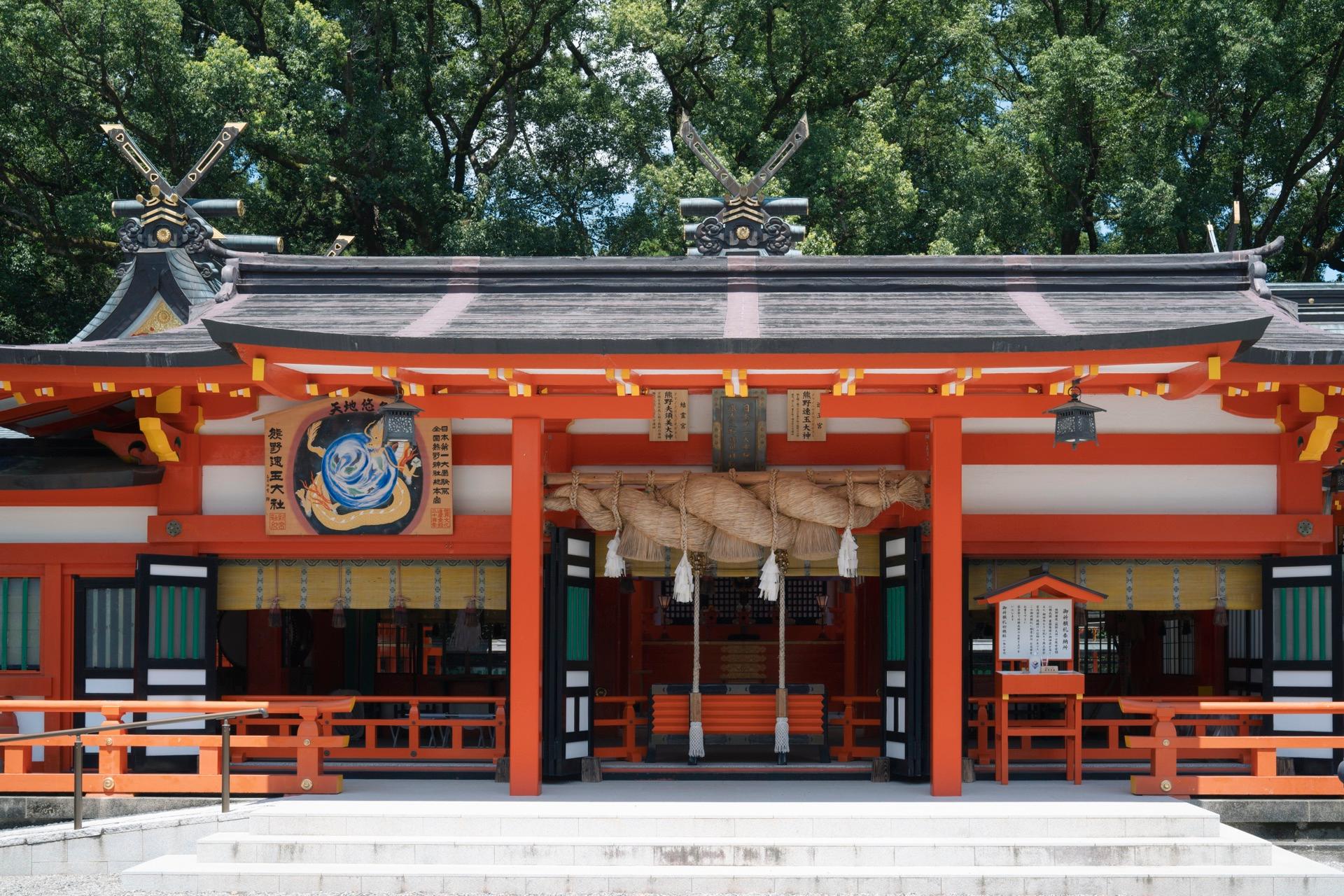
2. Kumano Hayatama Taisha: The shrine of Shingu, near the mouth of the river. Approaching it as the destination you "float down to" gives you a real sense of distance
3. The Shingu Riverbank: An evening stroll along the river lets the gentle grandeur of its flow sink in
A Word from the Editors
Kumano isn't only about journeys walked from start to finish. Resting your feet while tracing the sacred sites from the same "water-level perspective" as travelers of old is a reward you can give yourself after walking the Kodo.
One day on the mountain trail, another on the river route. Taste these two faces of the journey, and you'll begin to understand — physically — why the three Kumano shrines are called "one sacred site."
Image: 熊野速玉大社 (via (公社)和歌山県観光連盟)


