 LOCAL FIT KUMANOBack to list
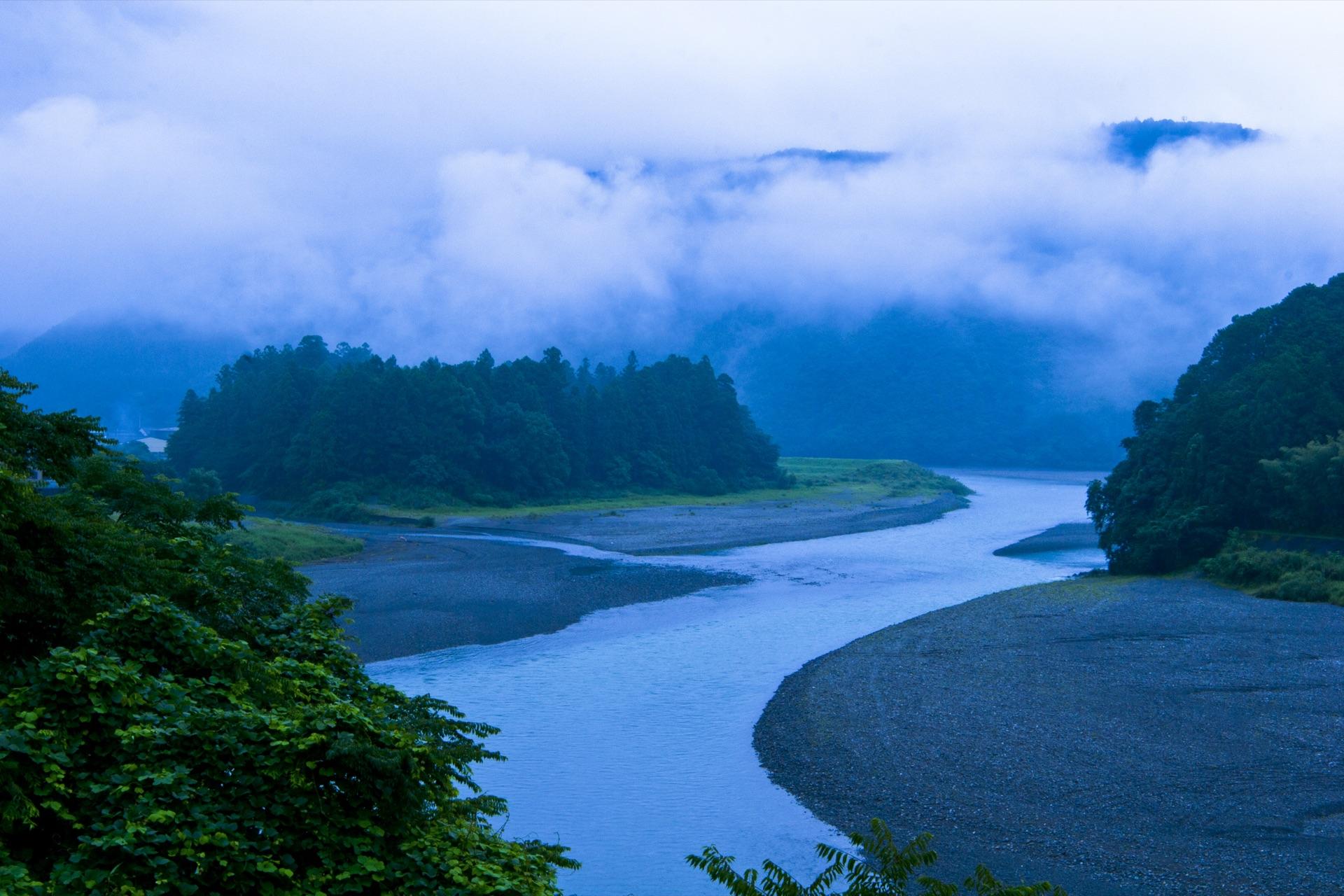
Kumano Has a Pilgrimage Route You Don't Walk
When people hear 'Kumano Kodo,' most picture moss-covered stone paths and mountain trails lined with cedar groves. But the World Heritage site 'Sacred Sites and Pilgrimage Routes in the Kii Mountain Range' also includes the Kumano River itself as one of its pilgrimage routes.
After walking the mountain trails to reach Hongu, pilgrims would board boats and float downriver to Kumano Hayatama Taisha in Shingu, near the river's mouth. Resting their feet and surrendering to the current, they moved on to the next sacred site. In older times, the river was also a 'transit route.'
A Water Road Connecting Hongu and Shingu
A River Journey Beginning at Oyunohara
Oyunohara, the original site of Kumano Hongu Taisha, sat on a sandbar surrounded by rivers. The very fact that this sacred ground lies at the confluence of rivers speaks to the deep connection between Kumano and water.
Shingu at the River Mouth: the 'New Shrine'
Downstream in Shingu stands Hayatama Taisha. Reached by boat from Hongu, it marks the end point of the river journey. Here, after paying respects, you can feel the air of a town opening to the sea. The autumn grand festival is also known for Shinto rites tied to the river and its boats.
Viewed from the River, Kumano's Landscape Changes
On mountain trails, you mostly 'look up' at the scenery. On the river, your line of sight drops lower, and the mountain ridges on both banks flow past to the left and right.
- The deep green pressing in on the banks, and the texture of exposed rock faces
- The color of the sky mirrored on the water, and the clarity of the current
- The sound of the shallows, and the stillness of a boat gliding slowly
Different from a walking journey, you'll come to feel that 'Kumano is also a country of water.'
What to Know Before You Visit
The River Changes Its Expression
The Kumano River is a large river flowing through a region of heavy rainfall, and its water volume varies greatly. Experiences such as traditional river boats may be affected by weather and water levels. Always check official information just before your visit to confirm whether tours are running and what they include.
Enjoyable Even on Days You Can't Board
Even if you can't take a boat, simply gazing at the current from a bridge or riverbank brings you a little closer to the feelings of travelers of old. On the day you visit Hongu, sense the presence of water around Oyunohara; in Shingu, walk along the river after visiting Hayatama Taisha. With that kind of itinerary, you can still savor the 'river pilgrimage route.'
In Closing
Kumano is a sacred land built on two paths: a route walked through the mountains, and a route floated down the river. On your next visit, turn your eyes not only to the stone-paved paths, but also to the flow of the river. When the road beneath your feet connects with the road of water, your journey through Kumano takes on a new dimension.
Image: 熊野川 (via (公社)和歌山県観光連盟)


