 LOCAL FIT KUMANOBack to list
The Kumano Kodo Isn't Only Mountain Trails
When people hear 'Kumano,' many picture stone-paved paths and mountain trails lined with cedar trees. But the World Heritage site 'Sacred Sites and Pilgrimage Routes in the Kii Mountain Range' includes not only walking paths but also the Kumano River itself as a 'river pilgrimage route.'
The Kumano River flows across the borders of Nara, Wakayama, and Mie prefectures, emptying into the sea at Shingu. Hongu lies deep in the mountains, and Shingu sits near the coast. The waterway linking these two places has long been an important passage for people and goods alike.
A Pilgrimage by River Boat to Hongu
Pilgrims to Kumano did not travel the entire route on foot. Between Shingu and Hongu, there was also a well-known pilgrimage route by river boat, going upstream along the Kumano River.
When you entrust yourself to the boat, you see things differently than when walking.
- The height of the mountains, seen looking up from the water's surface
- The sound of the current and the whiteness of the stones along the banks
- The coolness and chill of the wind crossing over the water
Without worrying about tired feet, the scenery simply flows past—so river travel may have been surprisingly well-suited to savoring the pilgrimage as a 'journey of prayer.'
The River That Connects to Oyunohara at Hongu
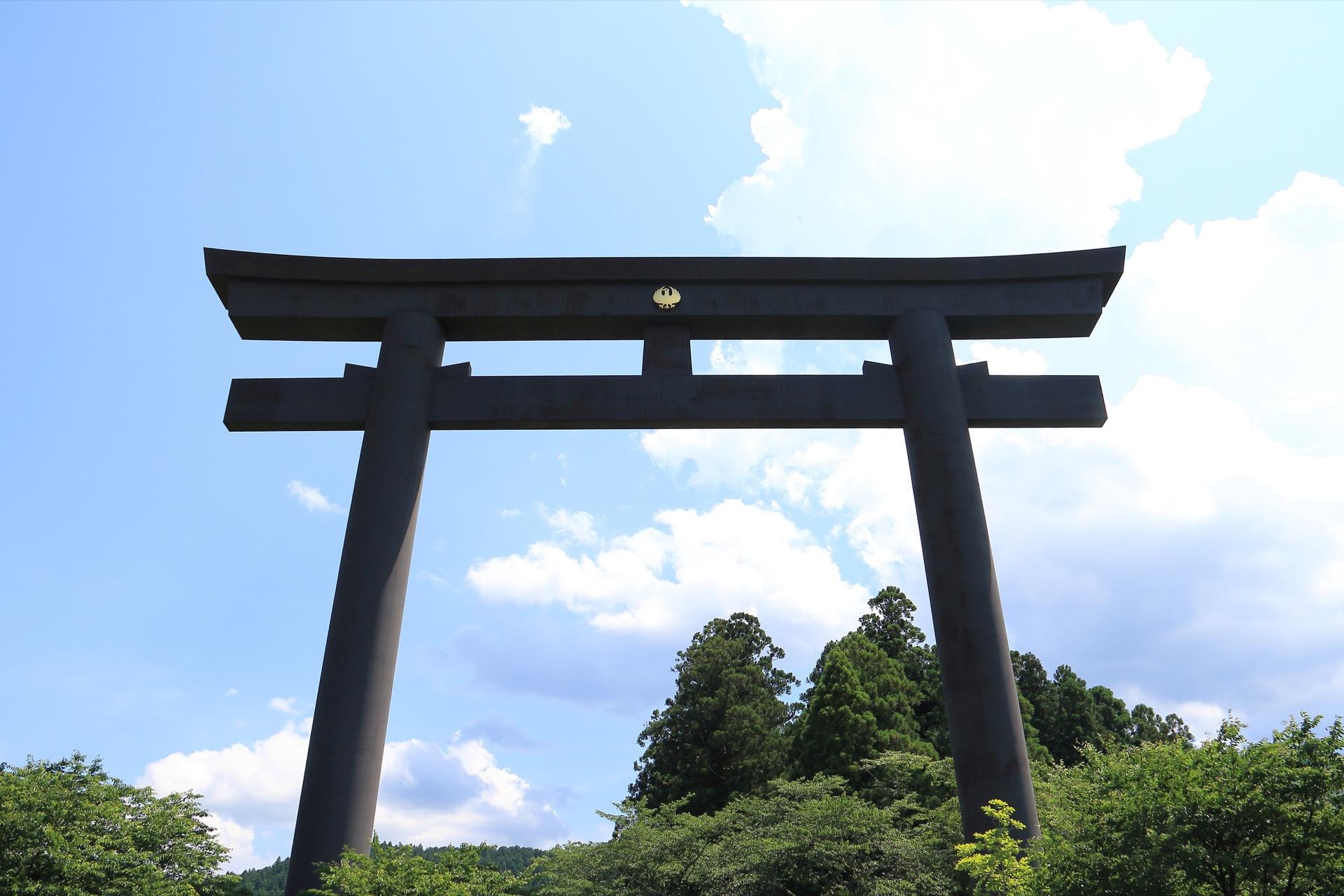
Oyunohara, the former site of Kumano Hongu Taisha, once stood on a sandbar surrounded by the Kumano River and other waterways. The river route is also tied to the 'water memory' of Hongu. Once you understand the river, the way you see Hongu's scenery shifts a little.
Meeting the Deep Green Waterscape at Doro-kyo Gorge
Doro-kyo Gorge, located along the Kitayama River, a tributary of the Kumano River, is a scenic spot of sheer rock walls and deep pools. It spreads out near the borders of Mie, Nara, and Wakayama, where the still water surface takes on a striking green hue.
Enjoying river scenery is a different flavor from walking the old mountain trails.
- You spend more time 'gazing' than 'walking'
- The river's expression changes greatly with weather and water levels
- After rain, the color of the water and the force of the current look different
Sightseeing by boat or jet boat may or may not operate depending on weather and water levels, and services vary by season. Always check the latest operation status on official information sources before planning your trip.
Tips for Including a River Journey
1. 'Don't Push It' Is the Rule by the Water
Rivers are easily affected by rising water levels. After rain or during typhoon season, it's reassuring to keep your schedule flexible enough to change plans.
2. Combine with Walking Days
Walk the old trails in the morning, then gaze along the river in the afternoon—or the other way around. Separating active time from time to simply drift keeps your travel rhythm nicely balanced.
3. Pack a Little Extra Clothing
On the river, the wind feels cooler than on land. A light outer layer comes in handy year-round.
In Closing
The pilgrimage routes of Kumano are not only paths over mountains. Journeys that go down the river, go up the river, and let the flow of the water carry you were also an important aspect of the Kumano pilgrimage.
Next time you visit Kumano, pause not only at the stone pavements of the old trails but also along the banks of the Kumano River. The waterway connecting mountains and sea will make Kumano's scenery feel far more three-dimensional.
Image: 大斎原 (via (公社)和歌山県観光連盟)


