 LOCAL FIT KUMANOBack to list
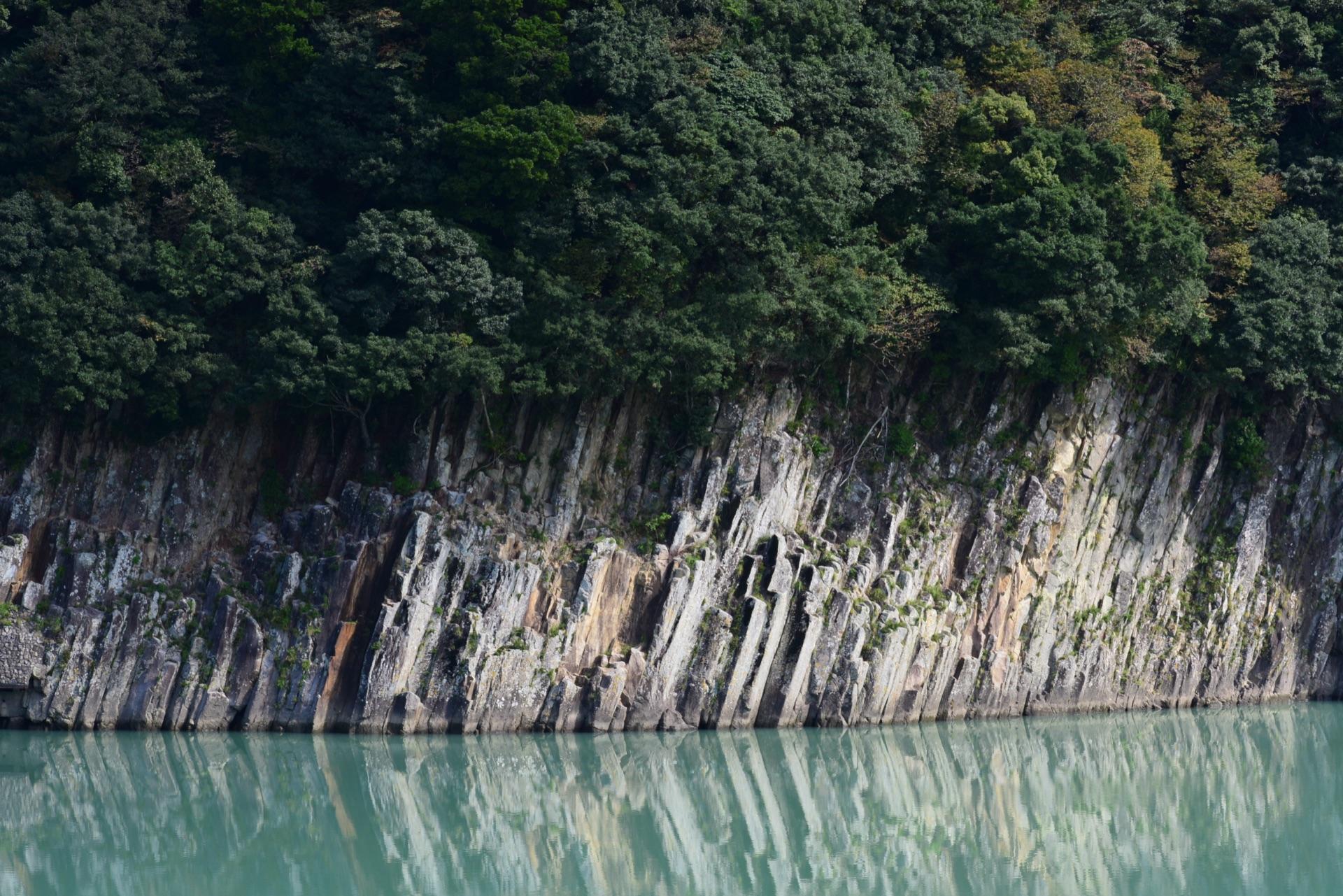
The Kumano Kodo Includes a 'River Route' Too
When most people think of the Kumano Kodo, they picture moss-covered stone pavements and mountain paths lined with cedar trees. But the World Heritage site 'Sacred Sites and Pilgrimage Routes in the Kii Mountain Range' includes not only walking trails — the Kumano-gawa River itself is registered as a 'river pilgrimage route.'
From the mountains around Kumano Hongu Taisha down to the river mouth at Shingu, where Kumano Hayatama Taisha stands, pilgrims of old would sometimes rest their tired legs by floating downriver by boat. This article is a pre-boarding guide to that 'pilgrimage on the water.'
The Landscape of Kumano, Seen from the Water
Where Mountains and River Become One
The charm of the riverboat lies in its low, unhurried viewpoint. Green mountains press in on both banks, white stones line the riverbed, and village rooftops occasionally appear. Places you encountered as isolated 'points' on foot connect into a continuous 'line' when seen from the river.
Rain that falls on the mountains of Kumano gathers into the river and flows to the sea. Giving yourself over to that current, you'll understand with your body — not just your head — why Kumano is called a 'land of water.'
Savor the Sounds and the Breeze
On the boat, it may be the sounds and wind that leave the deepest impression, even more than the scenery. The sound of an oar cutting through water, trees swaying on the banks, the distant call of a bird. Lower your smartphone a little and take time to simply listen.
What to Know Before You Board
A riverboat ride is an experience with nature. Check the following points before setting out, and you'll be ready to relax.
- Operating status: Service and routes may change depending on weather and water levels. Always check the latest information in advance.
- Seasonal temperature: The wind feels stronger on the water than on land. A light layer is helpful even in summer, and winter calls for extra warm clothing.
- Footwear: You may get wet getting on and off, so non-slip, quick-drying shoes are best.
- Luggage: Protect phones and cameras with waterproof cases or straps to prevent drops. Ask in advance whether larger bags can be stored.
- Sun and hydration: The river's surface reflects strong sunlight. Don't forget a hat and something to drink.
Combining the Riverboat with a Day of Walking the Old Road
The riverboat can be a 'reward' after a day of hiking, or the main event on a day without hiking. For example, visit the shrines around Hongu in the morning and spend the afternoon on the river. Or enjoy Kumano Hayatama Taisha and a stroll through Shingu, then finish with views from the water. Rather than trying to walk long distances, simply adding one block of time on the water makes your impression of Kumano feel richer and more three-dimensional.
In Closing
The Kumano Kodo is a mountain road, and also a river road. As the boat sways, imagine the scenery that ancient pilgrims once saw. That quiet time shows a different face of Kumano from walking the stone-paved paths. Before setting out, check the latest operating information, and enjoy the river pilgrimage route safely and at your own unhurried pace.
Image: 熊野川 (via (公社)和歌山県観光連盟)


