 LOCAL FIT KUMANOBack to list
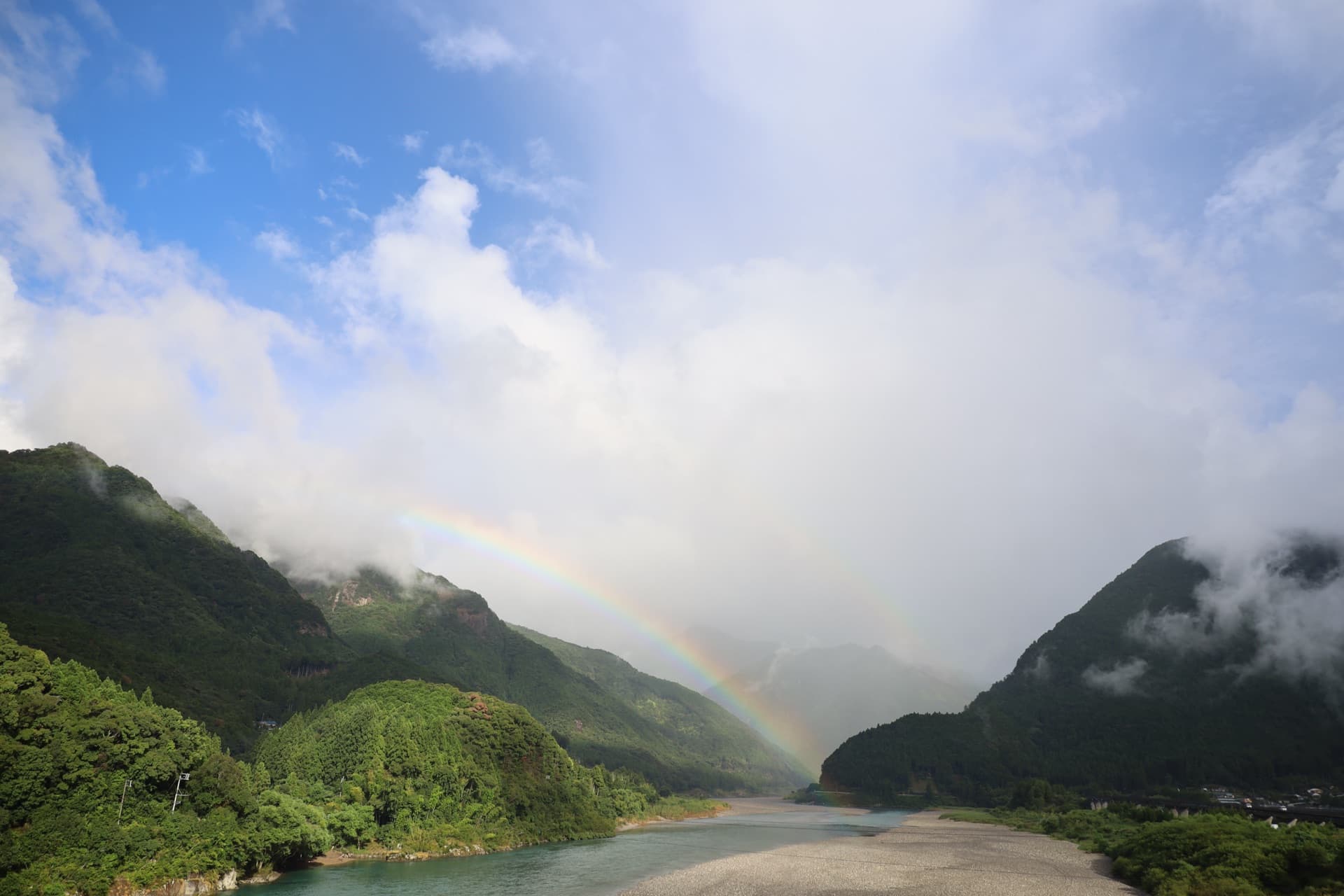
The Kumano Kodo Also Has a 'River Route'
When people hear 'Kumano,' many picture stone-paved paths and groves of cedar. In fact, part of the Kumano River is included in the World Heritage site 'Sacred Sites and Pilgrimage Routes in the Kii Mountain Range' as a 'river pilgrimage route.'
In the steep mountains of Kumano, rivers were vital highways for carrying people and goods. There is also a history of pilgrims traveling downriver by boat from Kumano Hongu Taisha to Kumano Hayatama Taisha in Shingu. Taking in Kumano from the water between stretches on foot is a distinctively local way to enjoy the region.
The Idea of Floating from Hongu Down to Shingu
The three Kumano shrines each have their own landscape: Hongu nestled in the mountains, Shingu near the river mouth, and Nachi enshrining its waterfall. A river journey from Hongu to Shingu lets you feel these changes with your whole body.
Upstream, mountains press in on both banks; as you descend, the sky gradually opens up. Approaching Shingu, both the river and the scenery grow more expansive. The way a single river connects mountain faith to a seaside town is something you can hardly grasp from a map alone.
Things to Notice from the Boat
- The color of the water: Depending on weather and water level, it can look greenish or tinged with blue.
- The forests on both banks: Beyond cedar and cypress, you can compare the mountain's changing face mixed with seasonal broadleaf trees.
- The stillness between water sounds and the engine: Those moments when conversation naturally pauses are the real treat of a river trip.
- Riverbeds along the banks: The size and shape of the stones hint at the strength of this river's current.
What to Know Before You Board
River experiences depend on natural conditions. After heavy rain, during high water, or in times of low water, operations and itineraries may change. Once your dates are set, be sure to check the latest operating information directly with the operator. Since specific times and conditions vary by season, we won't go into them here.
Thinking About Clothing and Gear
- The wind feels cooler by the water than in town. An extra light layer brings peace of mind.
- Choose non-slip shoes. Footing when boarding and disembarking may be wet.
- A strap to prevent dropping your phone or camera is reassuring.
- Something to shield you from the sun is helpful in any season.
Combining Walking Days with River Days
Adding a boat ride the day after walking the old road lets you rest your legs while still enjoying Kumano's scenery. Looking back on the path you walked from the river side, you may think, 'So that pass was over there,' and the outline of your journey begins to connect.
After paying your respects at Hongu and touching the water memories of Oyunohara, heading out onto the river makes the waterside story feel all the more three-dimensional.
In Summary
A Kumano River boat ride can serve as an entry point to a 'Kumano pilgrimage without walking.' Routes don't exist only in the mountains—they ran on the water, too. On your next Kumano trip, consider pausing once to schedule some time letting yourself drift with the flow.
Image: 熊野川 (via (公社)和歌山県観光連盟)


