 LOCAL FIT KUMANOBack to list
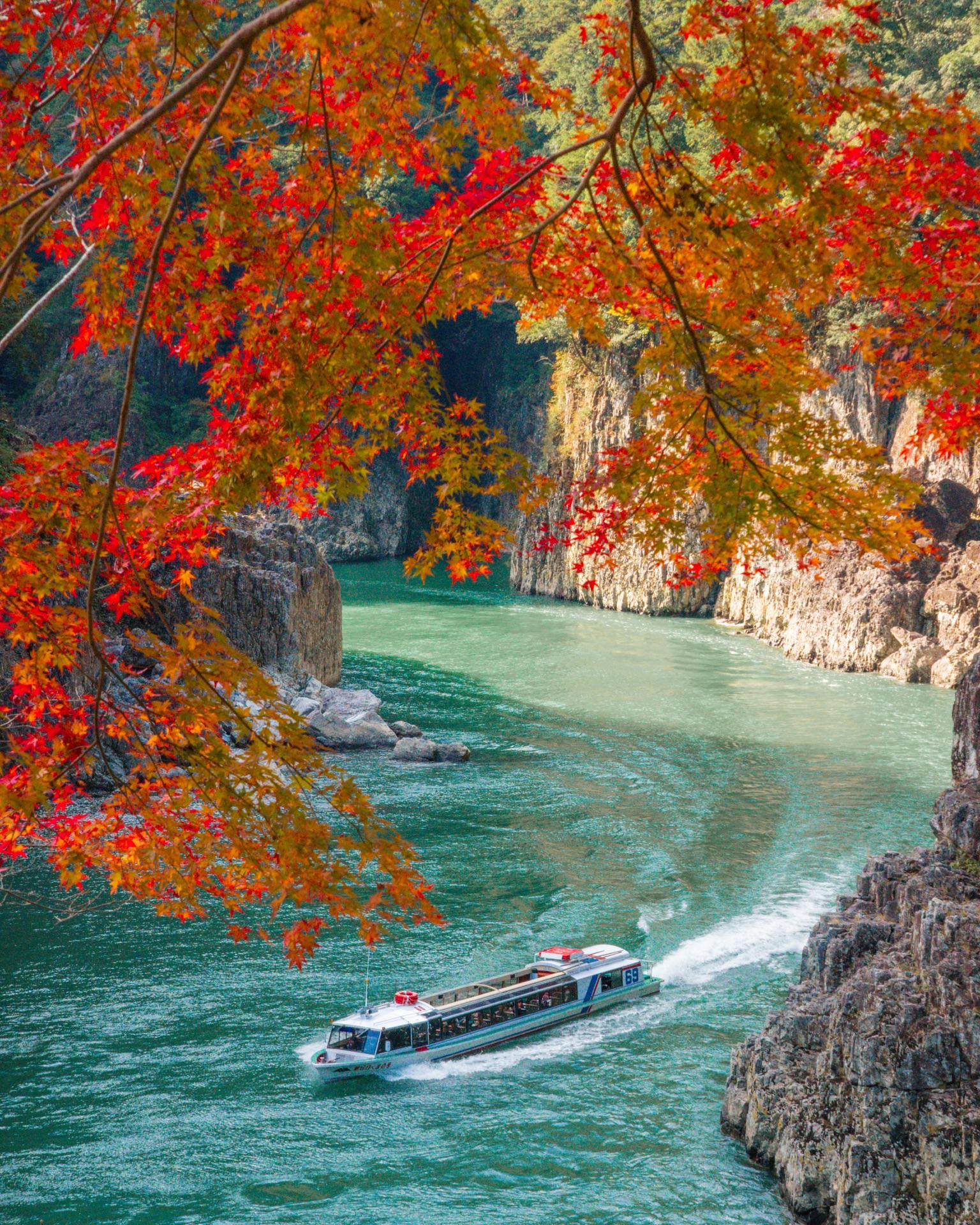
Kumano Rafting: Feeling the "River Side" of Kumano with Your Whole Body
Kumano is best known for its ancient trails and shrines, but the backbone of this land is formed by the rivers that flow through the deep valleys of the Kii Mountains. The Kumano River is counted among the "river pilgrimage routes" within the World Heritage "Sacred Sites and Pilgrimage Routes in the Kii Mountain Range," and it has long served as a route for carrying people and goods.
Kumano rafting is an experience in which you entrust yourself to this river, riding a rubber boat down the current. It lets you savor Kumano's scenery from a completely different angle than walking tours.
The Stage: The Kitayama and Kumano Rivers
A river that often comes up in rafting conversations is the Kitayama River, which flows along the borders of Wakayama, Mie, and Nara prefectures before joining the Kumano River. Along this watershed sits Kitayama Village—known as the only exclave village in Wakayama Prefecture—and the river is also remembered as a route once used to transport timber by raft (ikada).
Mountains rising on both banks, the clear color of the water, the sound of rapids pouring through rocky sections. As you paddle in time with your guide's calls, familiar river scenery suddenly feels much closer. Since routes and sections vary by operator, please check the starting point and duration with each tour's information.
Thinking About Season and Water Volume
Rafting is generally offered during the seasons when air and water temperatures rise. However, operating periods and whether a trip actually runs depend on weather, water volume, and river conditions.
- Early summer to summer: The splashes feel refreshing, and it's easy to enjoy even as a first-timer.
- Autumn: The air is clear, and combined with the mountain colors, you'll have a quiet river journey.
- After rain: When water volume rises, the current grows stronger. Don't force the trip—follow your guide's judgment.
Rather than assuming "we'll definitely be able to go on our planned day," keeping a backup day or alternative plan ready is the safe, Kumano-style way to enjoy it.
Dress and Pack on the Assumption You'll Get Wet
The basic principle is clothing that dries quickly even when soaked.
- Quick-drying wear, plus a change of underwear and a towel
- Footwear that won't slip off, such as water shoes or sandals with straps (check in advance whether rentals are available)
- A full change of clothes for the ride home, plus a bag for wet items
- Sun protection (if you wear a hat, choose one that won't easily blow away)
Life jackets and helmets are usually provided by the guides, but confirm the details when booking to be safe. For smartphones and valuables, check how waterproof cases and lockers are handled before bringing them along.
Families, Beginners, and Seniors: Check Age and Fitness Requirements
Age and fitness guidelines for participation vary from tour to tour. If you're bringing small children, the quickest approach is to ask in advance about age limits and how gentle the current is. Even if you're not a strong swimmer, many tours are designed so you can enjoy them by wearing a life jacket and following your guide's instructions—but if you have a medical condition or any concerns, don't hesitate to ask.
Combining Rafting with Shrine Visits and Hot Springs
A very Kumano-like itinerary is to soak in a hot spring after river play, then head to shrines or the ancient trails the next day.
1. River day: Rafting in the morning, relaxing at an onsen in the afternoon
2. Lodging: Stay a night in the Hongu Onsen area—Kawayu, Yunomine, or Watarase—or around Shingu
3. Next day: Visit Kumano Hongu Taisha or Kumano Hayatama Taisha. If fatigue lingers, don't force in a long section of the ancient trail
You can also walk first and raft afterward, but considering physical exhaustion, the trick is not to pack too much into the rafting day itself.
Checkpoints Before Booking
- Transportation to the meeting point (and whether pickup service is available if public transit is inconvenient)
- When the decision to run the tour is made, and how cancellations are handled
- Participation requirements, rental items, and availability of changing rooms and showers
Kumano's rivers have long carried people and welcomed travelers. The view of the mountains looking up from a boat should become yet another "gateway to Kumano"—one quite different from walking the pilgrimage paths.
Image: 瀞峡 紅葉 (via (公社)和歌山県観光連盟)


