 LOCAL FIT KUMANOBack to list
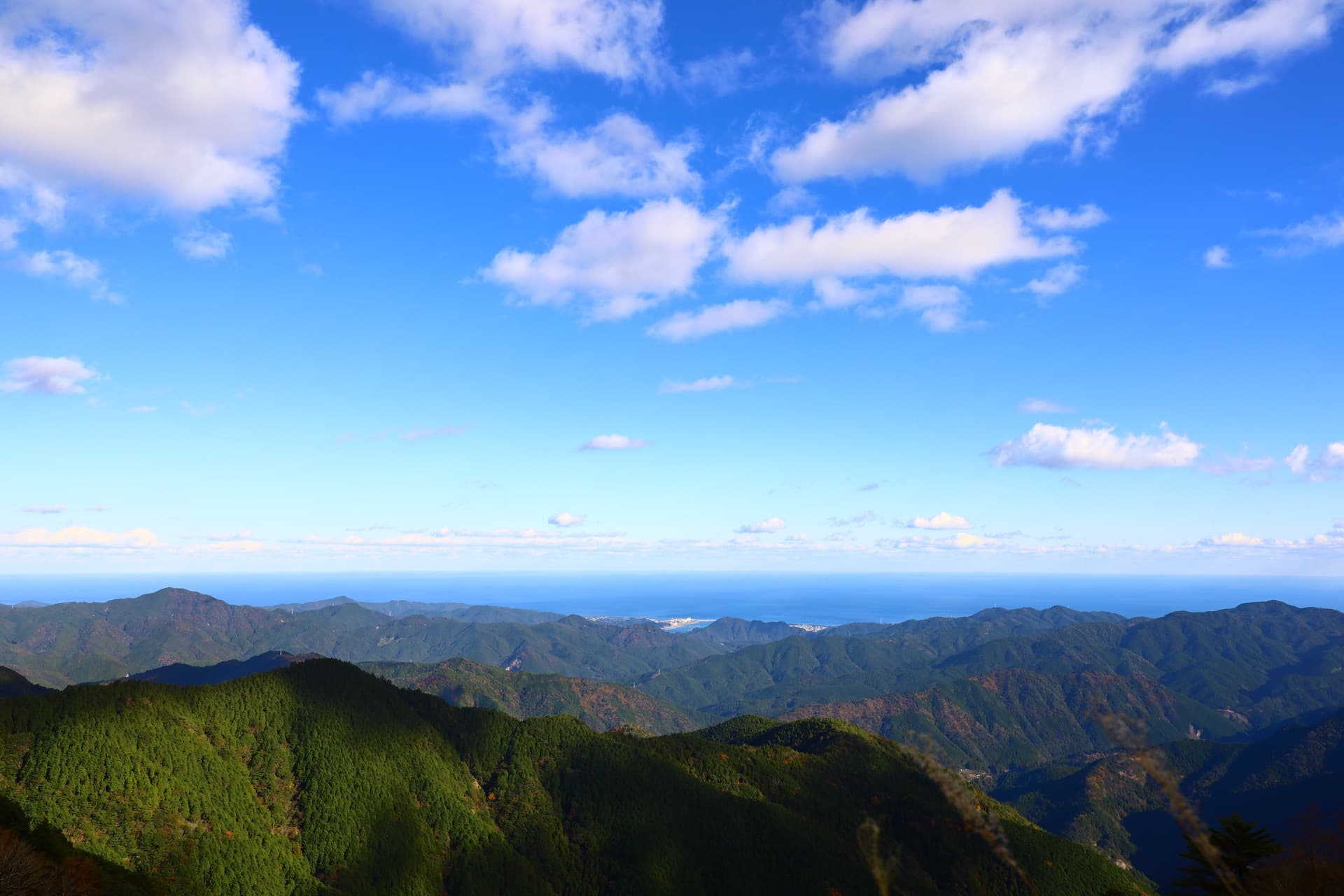
Kumano is often associated with mountains and ancient pilgrimage routes, but along the coast in Kumano City, the rough Kumano-nada Sea has shaped another kind of scenery — one of dramatic rock formations. Two landmarks represent this coastal side of Kumano: Onigajō (‘Demon's Castle’) and Shishi-iwa (‘Lion Rock’). Seen with eyes accustomed to mountain greenery, the sea-washed rock faces reveal a completely different face of Kumano.
What is Onigajō? A Rocky Corridor Carved Over Time by Waves and Earthquakes
Onigajō is a scenic area of sea caves and cliffs facing the Kumano-nada Sea. The rock faces are dotted with honeycomb-like holes, horizontal striations, and shelf-like outcrops that jut out like platforms. This scenery is generally explained as the combined result of erosion by waves and wind together with the uplift of the land itself. The thought that the rocks beneath your feet were once a ‘slowly rising sea floor’ can change the way you see them.
The Legend Behind the Name ‘Oni’ (Demon)
The name is said to come from a legend that demons once lived among these rocks and troubled the local people. The figure said to have defeated them is sometimes given as Sakanoue no Tamuramaro, a Heian-period general. This is passed down more as local folklore than historical fact — perhaps the overwhelming power of the rough waves and caves inspired the imagination of a demon's lair.
Look at the Rock Faces Both ‘Close Up’ and ‘From Afar’
As you walk, try to be mindful of these two perspectives:
- Close up: observe the texture of the rock — the holes, striations, and differences in color
- From afar: step back a little and take in the whole sweep of rocks and sea
Up close, the rock is surprisingly delicate; from a distance, it is majestic. Switching between these two views adds pleasure both to photography and to the walk itself.
Tips for Walking Along the Rocky Coast
Since waves crash in constantly, prioritize safety when you visit.
- Wear shoes with good grip (rocks get slippery when wet from sea spray or rain)
- On windy days or days with high waves, don't push yourself — enjoy the scenery from a distance
- Access may be restricted in rough weather, so check the latest information before heading out
- Choose a hat and jacket that won't easily blow away in the wind
Sea conditions can change dramatically from day to day. Deciding in advance, ‘today I'll only go as far as I can safely see,’ helps you stay relaxed.
Shishi-iwa | The Lion's Profile at the Edge of Shichiri-mihama
A short distance along the coast from Onigajō, at the northern end of Shichiri-mihama, you'll find Shishi-iwa. True to its name, this massive rock looks like a lion roaring toward the sea. Its expression changes with the angle and the light — soft in morning sunlight, powerful in the evening, as people often say.
Shichiri-mihama is a long beach of smooth, rounded pebbles. The sound of the stones rattling underfoot, and the low rumble as the waves draw back, are distinctive to this beach. The contrast between the drama of the rocks and the calm of the pebble beach is, I think, what makes walking this coastline so appealing.
In Summary | The Coastal Side of Kumano Is a Journey of ‘Reading the Landforms’
Onigajō and Shishi-iwa are less about ticking off famous sights and more about slowly reading the landforms shaped by wind and waves. Between walks on the ancient pilgrimage routes, or combined with other sites in Kumano City such as Hana-no-Iwaya Shrine, try adding this coastal scenery to your day. Knowing both the mountains and the sea of Kumano greatly deepens your appreciation of this region.
*Please note that access conditions and nearby facilities may change. Before visiting, please check the latest information with local tourist information centers.*
Image: 熊野灘 (via (公社)和歌山県観光連盟)


