 LOCAL FIT KUMANOBack to list
What Are the Oji Shrines of Kumano? A Quick Definition
As you walk the Kumano Kodo, you'll come across small shrines, stone markers, and signposts reading "〇〇 Oji" along the roadside. These are the Oji shrines (ojisha). The Oji shrines of Kumano are small shrines dedicated to deities associated with the Kumano gods, scattered along the pilgrimage routes. The easiest way to think of them is as "places of prayer along the road," watching over travelers on their way to the three grand shrines of Kumano (Kumano Sanzan).
We'll leave the introductory overview of how many Oji there are and how they came about to another article. Here, we'll focus on "what people in the past actually did at the Oji."
The Oji Were Not Just "Waypoints" — They Were "Milestones"
On a long walking journey, dividing the road into smaller segments helps settle the mind. The Oji shrines are thought to have played exactly this role as milestones.
Things Said to Have Been Done at the Oji
- Worship and offerings: Pressing hands together to pray for a safe journey, and offering nusa (paper streamers)
- Sutra chanting and sacred performances: According to some records, sutras were chanted and ritual performing arts were held at certain Oji
- Composing poetry: There are accounts of waka poetry gatherings held at some Oji
- Rest and preparation: Drinking water, catching one's breath, and checking one's footing
In the imperial Kumano pilgrimages (Kumano Gokō) of retired emperors and aristocrats especially, the journey is said to have involved performing rituals at each Oji in turn. Common folk, on the other hand, would have offered prayers as their lives and the seasons allowed. The essence was not "doing everything properly," but rather "turning one's heart toward each milestone along the road."
Today's Oji Come in Many Forms
When you actually visit, you'll find that the Oji take many different forms.
- Oji with proper shrine buildings or sanctuaries, still cherished by local communities today
- "Oji sites" marked only by a stone monument or signpost
- Places where only foundation stones or a tiny shrine remain quietly among the cedars
There's no need to feel disappointed if "there's nothing there." Often, it is precisely in these empty places that the quiet history of the road remains.
How We Can Walk the Oji Today
1. Pass by with a Small Bow
Don't overthink the etiquette — a simple nod with the feeling of "excuse me" or "thank you" is enough. Even this alone brings you closer to the mindset of pilgrims of old.
2. Pause and Take a Breath
Using the Oji as moments to rest helps you pace yourself. They're also good spots for drinking water or re-tying your shoelaces.
3. Don't Try to Visit Them All
There are many Oji, and there's no need to stop at every single one. Simply choosing a few that interest you, based on your energy and time that day, is more than enough.
4. Respect Them as Local Places of Prayer
The areas around these shrines are often tended by local residents. Please follow the basics: don't touch offerings or stone markers, take your trash with you, and don't enter areas marked as private property or off-limits.
In Closing
The Oji shrines of Kumano were a system of small prayer spots linking the road to a distant sacred destination. Next time you walk the Kodo, when you spot a small shrine or stone marker, try stopping for a moment and taking a breath. Little by little, your journey will shift from "travel" to "pilgrimage."
*The current condition of each Oji (whether a shrine building exists, whether entry is permitted, etc.) varies by location. Please check with a local information center before setting out.
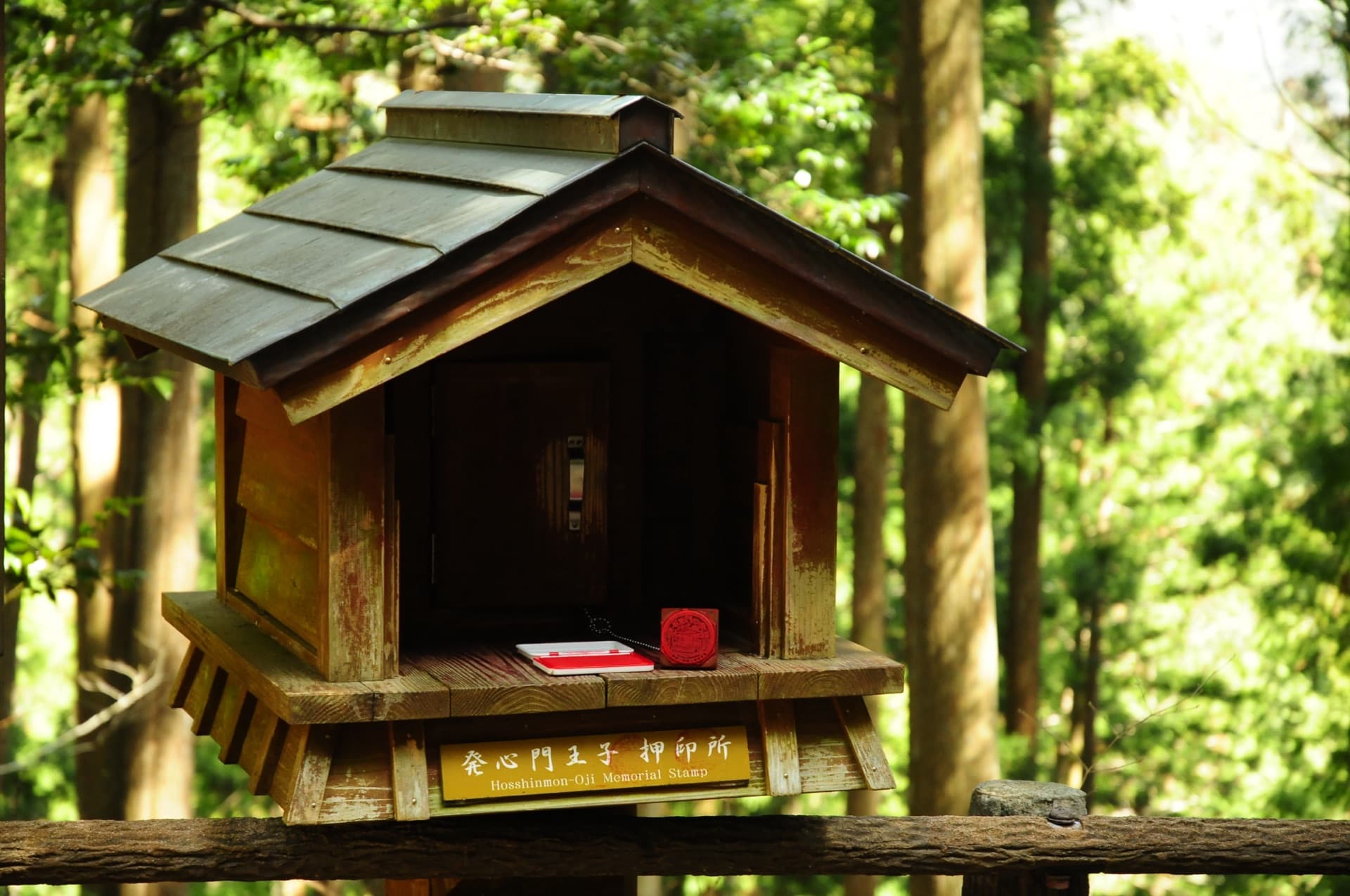
Image: 熊野古道中辺路 発心門王子 (via (公社)和歌山県観光連盟)


