 LOCAL FIT KUMANOBack to list
What is Kumano Pilgrimage? In a Single Sentence
'Kumano Mōde' refers to the journey of visiting the three grand shrines of Kumano — Kumano Hongu Taisha, Kumano Hayatama Taisha, and Kumano Nachi Taisha. In an age without cars or paved roads, people walked for days from the capital, crossing mountain and seaside paths to reach Kumano.
In this article, we'll read the Kumano pilgrimage through the flow of time — asking 'who walked, and how?'
Reading Kumano Pilgrimage Through the Ages
Heian Period: The Imperial Pilgrimages of Retired Emperors
Kumano pilgrimage became widely known in the latter half of the Heian period. Beginning with Retired Emperor Shirakawa, successive retired emperors and nobles repeatedly made the 'Kumano Gokō' — imperial pilgrimages from Kyoto to Kumano. Retired Emperor Go-Shirakawa is said to have made the journey many times.
Behind this lay a longing for the Pure Land paradise and a faith seeking peace in this life. From the capital to Kumano, pilgrims advanced while praying at the Ōji shrines lining the route — a long journey indeed. For the people of that time, it must have been close to a form of ascetic practice: praying with the whole body.
Medieval to Early Modern: 'Ants' Kumano Pilgrimage' Spreads to the Common People
As time passed, pilgrims came to include warriors and commoners as well. The unbroken lines of people heading for Kumano were likened to processions of ants, earning the name 'Ari no Kumano Mōde' ('Ants' Kumano Pilgrimage'). Kumano's generous embrace — welcoming all regardless of status, gender, or notions of purity — is often cited as a defining feature of its faith.
'Past, Present, and Future' Overlaid on the Three Shrines
The gods of the three Kumano shrines have long been worshipped in connection with Buddhist figures as well (a syncretism of Shinto and Buddhism).
- Hongu: Amida Nyorai — salvation in the next life
- Hayatama: Yakushi Nyorai — healing of the past
- Nachi: Senju Kannon — wishes for the present life
Visiting all three shrines is sometimes said to carry the meaning of making a circuit through past, present, and future. This is one reason Kumano is so often linked with the idea of 'rebirth.'
Kumano Pilgrimage, Hot Springs, and Water Prayer
The hot springs that eased the fatigue of long journeys and the waters that purified the body are inseparable from the Kumano pilgrimage. Ritual bathing (yugori) at Yunomine Onsen, devotion to Nachi Falls — 'tuning body and mind through water and hot springs' was itself part of the pilgrimage.
Experiencing 'Kumano Pilgrimage' Today
Even today, with the right spirit, anyone can experience the Kumano pilgrimage.
1. Walk just one section: You don't have to walk the entire route. Even a short stretch of stone pavement or cedar-lined path lets you sense the presence of travelers of old.
2. Make the shrine visit the main event: Don't get too absorbed in taking landscape photos — take a breath before the main hall and press your palms together.
3. Leave some breathing room: Ancient travelers paused for weather or their own condition. Don't over-pack your schedule; leave time to rest.
4. Touch the life along the way: Village lodgings, local meals, and conversations with local people enrich the journey.
Conclusion
The Kumano pilgrimage was a prayer-journey aimed at Kumano, undertaken by everyone from retired emperors to commoners, transcending social rank. Walking with the image of the 'ants' pilgrimage' procession in mind makes the same paths feel far more intimate. Why not choose one section that catches your interest and begin your own Kumano pilgrimage?
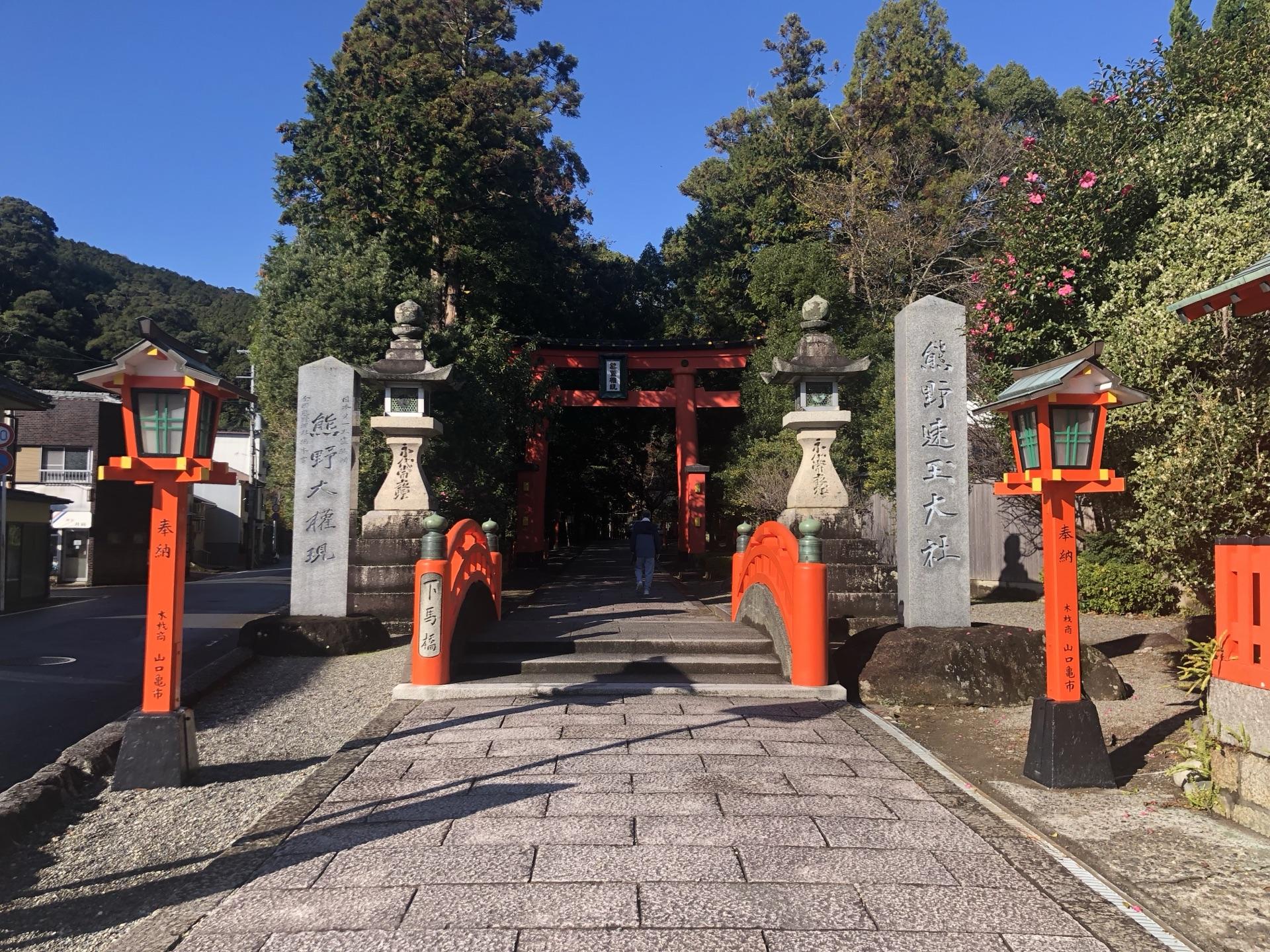
Image: 熊野速玉大社 (via (公社)和歌山県観光連盟)


