 LOCAL FIT KUMANOBack to list
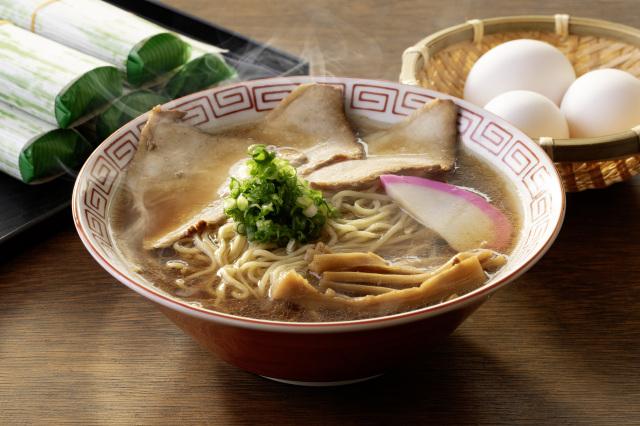
Lunch in Kumano Means "A Rice Ball Wrapped in a Leaf"
As you travel through Kumano, you'll often spot the name "mehari-zushi" on restaurant menus and the shelves of roadside stations (michi-no-eki). It looks like a large rice ball, neatly wrapped in a salty takana (mustard greens) leaf. Though the name includes "sushi," there's no raw fish on top, and it isn't necessarily made with vinegared rice. Rather, it's a kind of mountain bento born from life in Kumano's mountain valleys.
Does the Name Come from "Eyes Wide Open"?
There are several theories about the name's origin. Two are most often told:
- You have to open your mouth so wide to eat it that your eyes open wide (me o miharu) too
- Seeing such a large rice ball makes your eyes open wide
We can't say for sure which is correct, but both suggest the same thing: it's big and satisfying. Easy to eat with one hand between bouts of mountain or field work, and filling enough to keep you going. That practicality is surely what shaped its form.
Takana: Both Seasoning and Wrapper
The star of mehari-zushi is the pickled takana leaf that wraps the rice. Because the leaf has just the right amount of salt and flavor, it seasons the rice as you eat and keeps your hands clean. A single leaf serves as both wrapper and condiment.
Some versions are simple—just rice inside—while others include fillings, and the size and seasoning vary from household to household and shop to shop. Tasting and comparing different versions is part of the fun.
Why It's Perfect for a Day on the Kumano Kodo
Mehari-zushi makes an ideal lunch for a day of walking the ancient trail.
- You can eat it with your hands, so it's easy to unwrap beside a stone-paved path or near an oji shrine
- The saltiness of the takana is welcome when you've been sweating
- The scent of the leaf makes the rice taste all the better in mountain air
If you're buying before you set out, we recommend choosing one made that morning. Rice tends to harden as it cools, so it's a good idea to plan when you'll eat it. And always carry your trash home with you. Keeping bamboo wrappers, plastic wrap, and paper from blowing away in the wind is part of the etiquette of walking the ancient road.
In Autumn and Winter, Try Sanma-zushi Too
Another local Kumano favorite, especially around Shingu and the Higashi-Kishu region, is sanma-zushi. It's a whole-fish sushi made by butterflying a Pacific saury, curing it with vinegar, and pressing it onto rice—a very different "port-town taste" from mehari-zushi. The pairing of mountain takana and ocean sanma is a reminder that Kumano is a land open to both the mountains and the sea.
Good to Know Before Your Trip
- Availability, sales hours, and whether reservations are required vary by shop. It's safest to check in advance
- Popular items can sell out early in the day. If you're counting on it for lunch, arrange it with plenty of time to spare
- You can eat the takana leaf or leave it—follow the shop's recommendation
Whether you encounter it in Hongu, Nachi, or Shingu, mehari-zushi is a flavor that has long sustained those who walk. Will your eyes really open wide at the first bite? Try one and see for yourself.
Image: 和歌山フォトライブラリー (via 和歌山フォトライブラリー)


