 LOCAL FIT KUMANOBack to list
Can You Walk the Kumano Kodo Without a Guide? The First Answer Is: 'It Depends on the Trail'
We often get asked, "Can I walk the Kumano Kodo without a guide?" The honest answer is that some sections you can walk on your own, while others are safer with someone to rely on.
The Kumano Kodo isn't a single road. It's a collective name for a network of trails, ranging from short sections close to villages to long stretches deep in the mountains. It isn't true that "because it's an ancient trail, you always need a guide," nor is it true that "because there are signposts, you'll always be fine." In this article, we lay out five measures to help you decide.
5 Measures for Judging Whether You Can Walk Without a Guide
1. How Long You'll Be Walking
Sections that finish within half a day are easier to plan for on your own. Full-day sections that cross a mountain involve more decisions about pacing and rest stops. If it's your first time, start with a short section.
2. How Many Junctions There Are
The closer the route is to a single line, the harder it is to get lost. Sections that cross villages and roads repeatedly bring more "which way now?" moments. Before you set off, take a quick count of the junctions on the map—it gives you a useful yardstick.
3. Whether There Are Places to Bail Out Along the Way
When you feel unwell or the weather turns, a trail with exits onto a road or a bus stop along the way gives you peace of mind. Conversely, sections where, once you enter, you can't easily turn back for a long time are the ones where a guide or an experienced companion really earns their keep.
4. Weather and Trail Surface
Stone paving on a sunny day and the same paving after rain are two different trails. Wet stones and fallen leaves get slippery, so the day after rain, the watchword is "shorter than usual."
5. Margin Before Sunset
It gets dark in the mountains sooner than you'd expect. Working backward from the time you want to arrive, setting out early, and deciding in advance a turn-back line in case you fall behind—this is the single biggest safeguard for anyone walking without a guide.
Who Suits Walking Solo, and Who Will Find It Easier with Help
These kinds of walkers are well suited to going it alone:
- People who don't mind walking while checking maps and signs
- People who can choose shorter sections
- People who are flexible about changing plans
And these walkers will find things easier with someone to rely on:
- People who want to tackle long sections
- People who want to dive deep into the history and religious background
- People who feel uneasy about the route and want to focus on the scenery
Neither choice is right or wrong. Being able to walk a trail and being able to enjoy walking it are two different things, so if you have concerns, it's perfectly fine to hire help for just part of the walk.
Homework Before Walking Without a Guide
- Research the section's distance, elevation change, and expected time
- Bring both a paper map and a map on your phone
- Check the weather forecast the day before and the morning of
- Carry water, snacks, rain gear, and a light
- Tell your accommodation or family where you're going and when you expect to return
Mobile reception is patchy in places, so it's important not to rely on your phone alone.
In Closing: Read the Character of the Trail, and Take a Step Within Your Limits
There are sections of the Kumano Kodo you can walk without a guide. But that's only true when a prepared walker, on a day with good conditions, chooses a trail that matches their own abilities.
Start with a short section, check it against the five measures, and turn back when in doubt. That kind of care is the surest way to savor the quiet of the old trails at their very best.
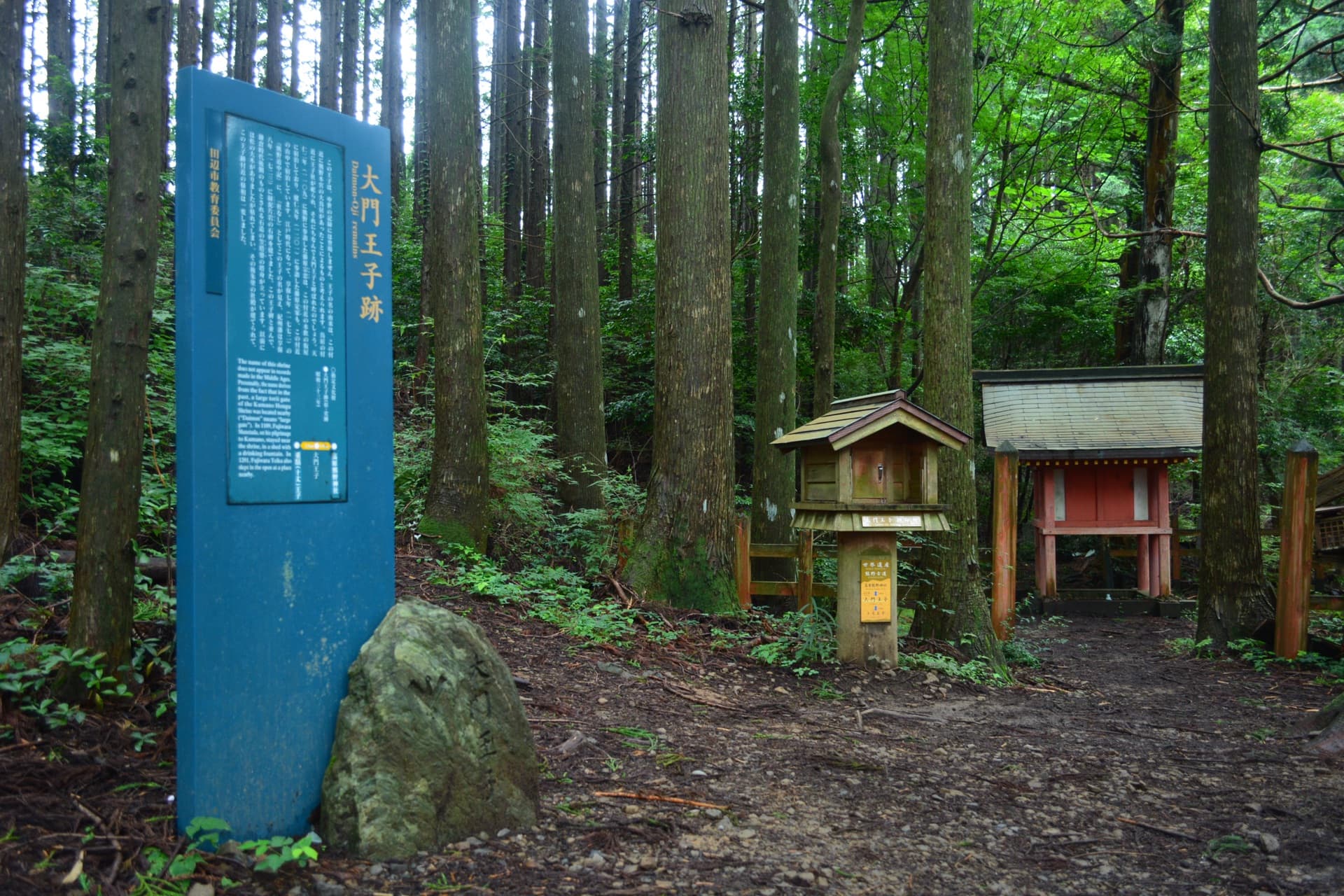
Image: 熊野古道中辺路 大門坂 (via (公社)和歌山県観光連盟)


