 LOCAL FIT KUMANOBack to list
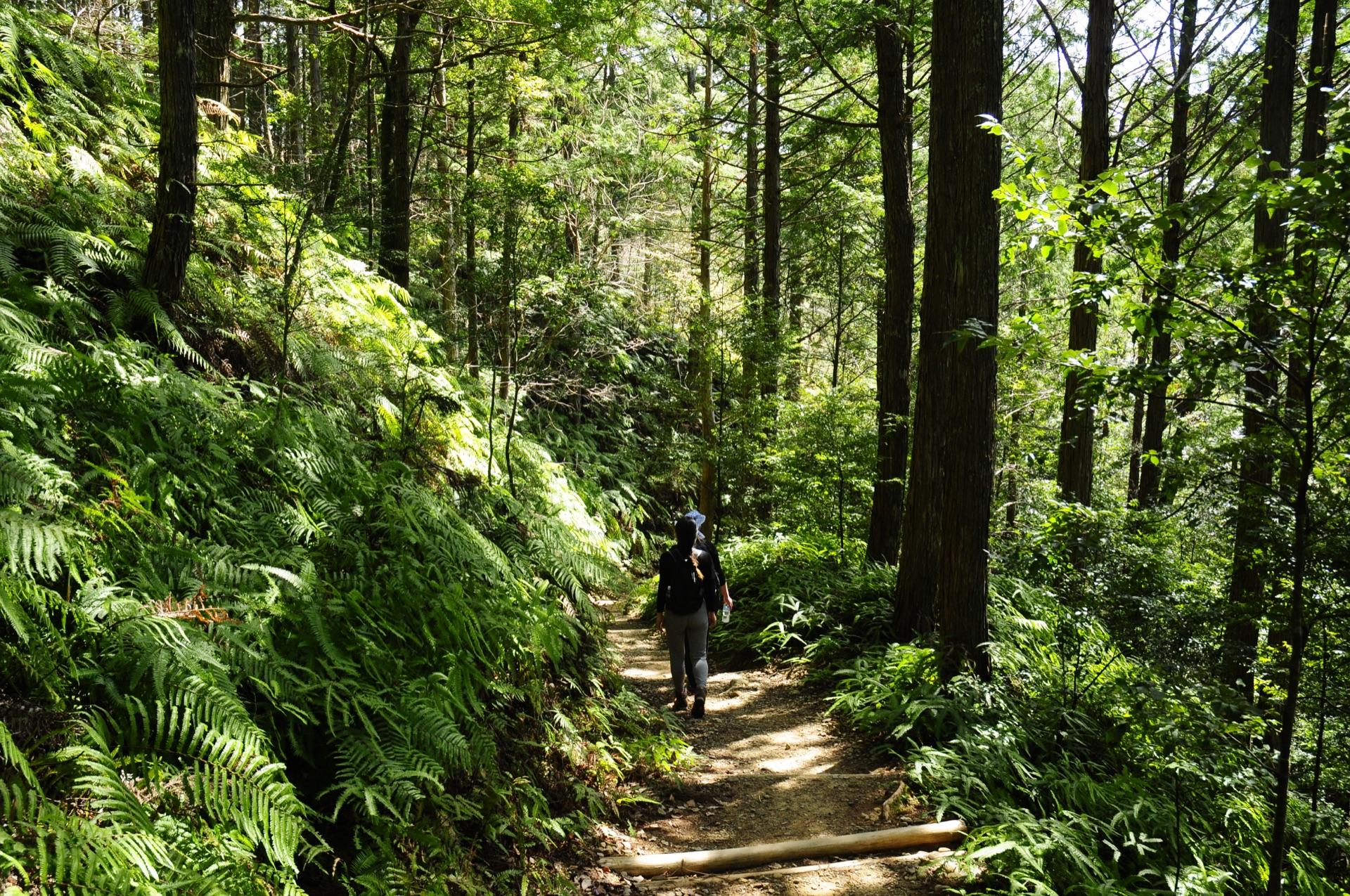
The old road is a 'human path' — and also a forest where wildlife lives
The cedar groves and moss-covered stone pavements of the Kumano Kodo pass through forests inhabited by birds, insects, and animals. That very presence is part of the trail's charm, but knowing a little in advance will help you walk with peace of mind. This isn't meant to frighten you — think of it as a quick primer so you won't panic, and a guide to coexisting with the creatures you're most likely to encounter.
Things to watch for, by season
Spring to autumn: leeches, hornets, and insects
After rain or in damp, shady spots, you may encounter yamabiru (land leeches). The basic defense is socks that cover your ankles, with your trouser hems tucked into them. During breaks, get into the habit of quickly checking your feet and cuffs. Even if one latches on, don't panic or try to pull it off forcefully — remove it calmly, then rinse the bite with running water and keep it clean. That's usually all you need to do.
Hornets are especially active from summer into autumn. Avoid dark-colored clothing and strongly scented hair products or perfumes. If one is flying nearby, don't swat at it — the golden rule is to move away slowly. If you're stung and feel your condition changing suddenly or you're worried, don't hesitate to contact a medical facility or emergency services.
Summer to autumn: pit vipers and watching your step
Along the edges of stone paths, in grassy patches, and in the shade of fallen trees, snakes sometimes rest. The best prevention is simply 'don't touch what you can't see' — don't reach into grass with your hands or feet, and don't carelessly step over fallen branches. In the unlikely event that you are bitten, the basic rule is not to run or move, and to contact emergency services as quickly as possible.
Year-round: the presence of monkeys, wild boar, and bears
In the mountains, monkeys, wild boar, and deer sometimes appear near the trail. Don't display food, don't leave trash behind, and don't approach or feed them. Keeping these three rules will help you avoid most trouble. Bears have also been reported on the Kii Peninsula, so in quieter hours or less-traveled sections, carrying a bear bell to signal 'a person is here' is one simple option.
Small preparations before you set out
- Clothing: long sleeves and long trousers to reduce exposed skin. Light colors make it easier to spot insects
- Socks and shoes: ankle-covering, with good grip
- Essentials: bandages, tissues, water, portable disinfectant wipes. If you take medication, bring it with you
- Information: check the latest weather and trail conditions at tourist information centers or your accommodation
- Communication: if walking alone, tell your host or family which section you're hiking and your estimated arrival time
Walk assuming they're there — and the forest grows quietly clearer
You can't avoid wildlife entirely, but by not making noise, not touching, and simply pausing to let them pass, your way of walking comes close to the 'greeting to the forest' that pilgrims on this ancient road have practiced for centuries. Listen for the tiny insects crossing the moss and the distant calls of birds — and, above all, walk safely and enjoy yourself.
*Trail conditions and wildlife sightings vary by season and section. Please check the latest information through local tourist information centers or municipal announcements.*
Image: 熊野古道中辺路 (via (公社)和歌山県観光連盟)


