 LOCAL FIT KUMANOBack to list
"Can I visit the Kumano Kodo by wheelchair?" This is a question we often hear from people planning family trips or accompanying an elderly parent. To put it plainly: most sections of the old pilgrimage trails are difficult to navigate in a wheelchair. However, walking the entire length of the Kodo is not the only way to enjoy Kumano. This article offers a framework for savoring Kumano without pushing yourself too hard.
Understanding How the Kumano Kodo and Wheelchairs Mix
Stone Paving, Steps, and Mud Are the Norm
The Kumano Kodo is a pilgrimage route through the mountains. Moss-covered stone pavements, uneven stone steps, dirt paths crisscrossed with tree roots, mud after rainfall—conditions stack up against wheels. Many sections have steep gradients, and even with an attendant, safe passage is not guaranteed.
The more "Kodo-like" the scenery, the rougher the path tends to be. It's best to avoid pushing through and ending up with a fall or getting stuck.
Conditions Vary by Section
On the other hand, near the trailheads and surrounding areas, there are spots close to paved roads and relatively flat parks or open spaces. However, whether or not you can actually pass through depends on the location, weather, and ongoing construction or repairs. You can't make blanket statements like "this spot will be fine," so always check each location individually.
A Pre-Visit Checklist
Who to Ask, and What to Ask
When contacting local tourism associations or information centers, asking specific questions like these will help you get useful answers:
- The type of wheelchair you'll use (manual, electric, attendant-pushed) and the number of people accompanying you
- Whether your destination has "steps, stairs, gravel, or slopes"
- The distance and surface conditions from the parking lot to the place of worship
- The locations of accessible restrooms
Since business hours and facility conditions can change, it's reassuring to double-check just before you set out.
Decide in Advance When You'll Turn Back
If the path is wet from rain or there are more steps than expected, choosing to turn back on the spot is also part of the journey. If you and your companions agree beforehand that "this far is enough," you can switch gears without disappointment.
Designing a Trip That Lets You Experience Kumano by Wheelchair
Feel "Kumano's Air" from the Car
Kumano is a land whose charm comes through even from a car window. The green of the mountains, the flow of the Kumano River, coastal scenery—the journey itself becomes part of the experience. Simply stepping out at each rest stop to take a deep breath is enough to feel the atmosphere of these mountain villages.
Worship "Within Your Comfortable Range"
The shrines and temples of the Kumano Sanzan each have different grounds. Some have many stairs; others are open spaces where you can take in the whole scene at a glance. How far you proceed is something to decide together with your companions based on prior research. Even putting your hands together at the entrance of the grounds and soaking in the atmosphere is more than enough to convey your feelings of worship.
Fill Your Trip with Hot Springs and Food
Kumano is dotted with hot spring areas. Depending on the inn or bathing facility, some have fewer steps along their pathways or offer private baths. Since amenities vary by facility, be sure to share your specific needs when making a reservation. As for food, dishes like mehari-zushi, mountain village cuisine, and seafood from the port towns are all meals you can enjoy at a relaxed pace while seated.
For Those Accompanying
Please prioritize the time your companion can spend comfortably over "completing" the Kodo. Keeping a loose schedule and having backup options will make the whole trip calmer.
In Summary
The reality is that much of the Kumano Kodo is tough terrain for wheelchairs. That's exactly why advance research and flexible planning matter. Even if you can't enter the old trails themselves, there are many ways to savor Kumano's nature, faith, hot springs, and food. At your own pace, choose how you want to meet Kumano.
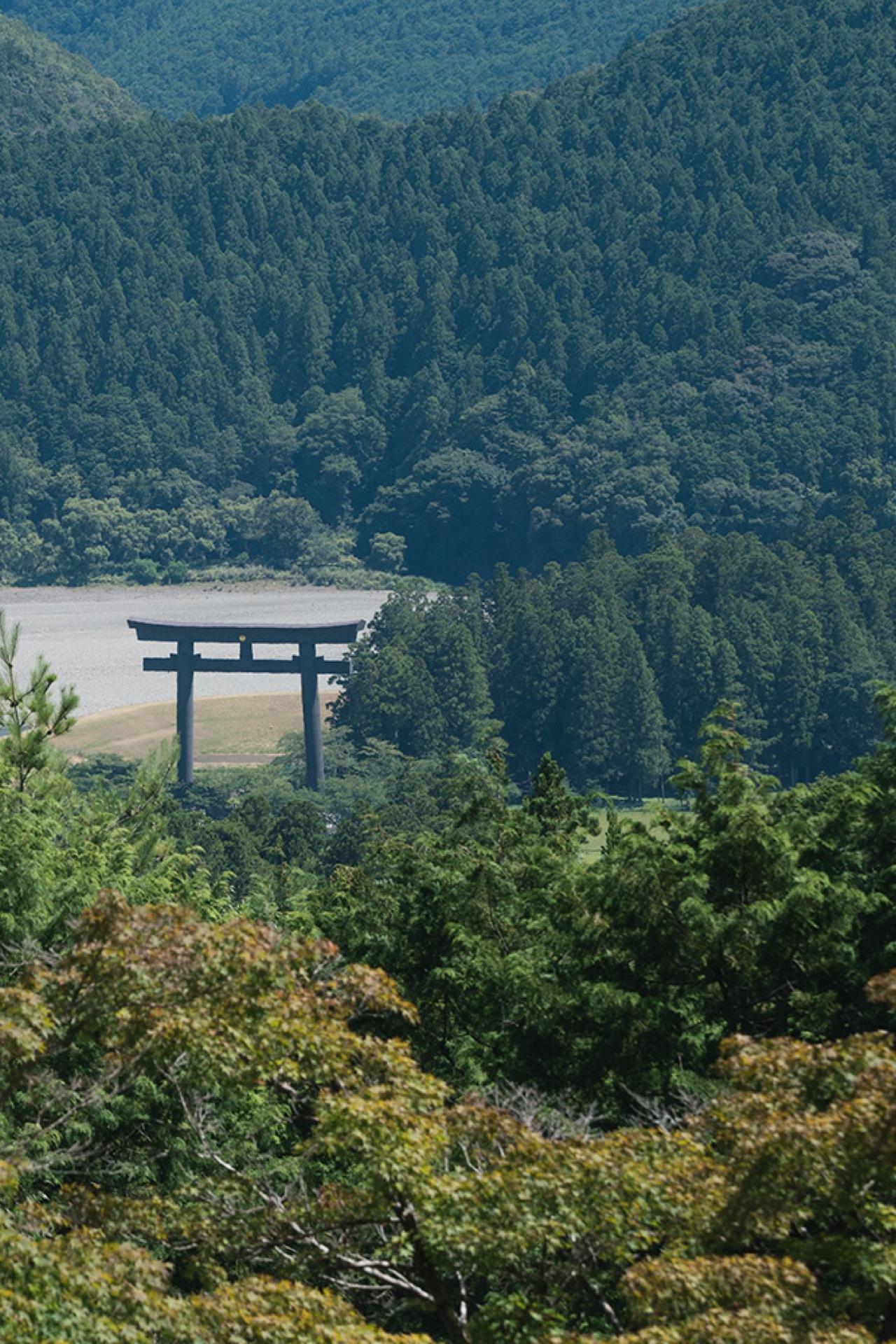
Image: 大斎原 (via (公社)和歌山県観光連盟)


