 LOCAL FIT KUMANOBack to list
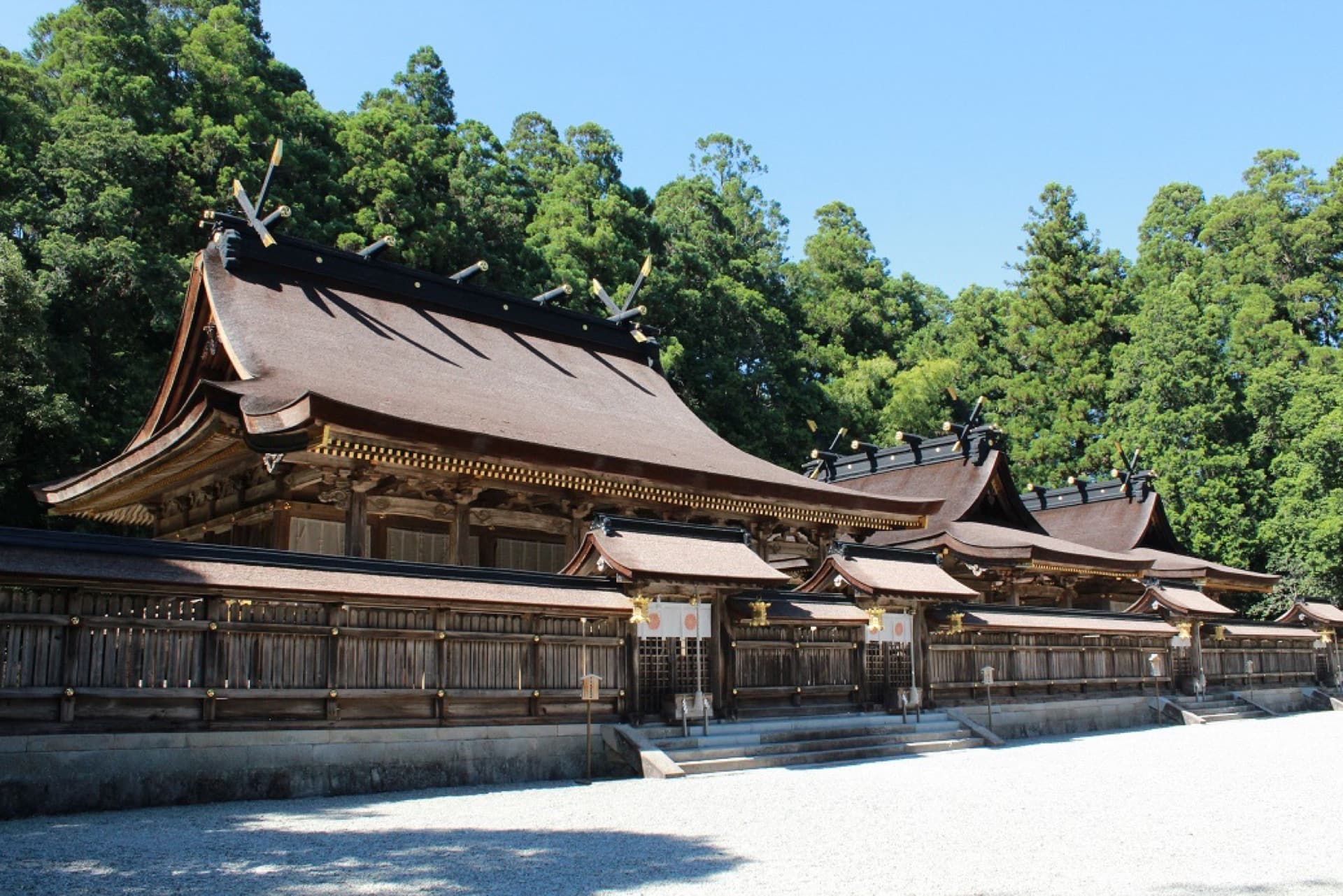
More and more international travelers are asking us, "Kumano Kodo vs Nakasendo — which one should I walk?" Both are iconic ancient roads of Japan, yet what you experience on foot is quite different. Here's how we see it from a local Kumano perspective, to help you decide which one fits your trip.
The short answer: a "path of prayer" or a "path of the highway"
The Kumano Kodo is a pilgrimage route leading to the three grand shrines of Kumano (Kumano Sanzan). As you walk through the deep forests and stone-paved paths of the Kii Mountains, there's a quiet sense of the mind settling — that's the heart of the experience.
The Nakasendo was one of the Edo-period highways connecting Edo (modern Tokyo) and Kyoto. Walking it means traveling between the post towns of the Kiso Valley, tracing the memory of old townscapes and everyday life along the way.
| Point of comparison | Kumano Kodo | Nakasendo |
|---|---|---|
| Character of the road | A pilgrimage route of faith | A highway for people and goods |
| Highlights | Forests, stone paths, oji shrines, temples | Post towns, townscapes, mountain passes |
| Mood of walking | Introspective and quiet | Historical stroll, laid-back |
Differences in how it feels to walk
Kumano Kodo: into the forest
Cedar and cypress forests, moss-covered stone paths, and small oji shrines (minor shrines that served as waypoints on the pilgrimage) mark the journey. Some sections have long climbs, so proper footwear matters. The climate is humid, and there will be times when your rain gear earns its keep.
Nakasendo: from town to town
On well-known stretches like Magome to Tsumago, you move from village to village, which makes the walking rhythm easy to follow and rest stops in the towns convenient. That said, conditions vary by season and route, so check local information for the latest updates.
Differences in planning your trip
On the Kumano Kodo, the quality of your trip depends on how you combine your walking days with the location of your lodgings. The basic pattern is to stay at a hot-spring town or pilgrimage base, then head to the next section the following day. On the Nakasendo, it's often easier to enjoy staying in and strolling around each post town. Neither area has the transport frequency of a big city, so it's wise to plan backward from how you'll get home.
Which one is right for you?
- You want to clear your mind and immerse yourself in nature: Kumano Kodo
- You want to follow Edo-era travel and old townscapes at a leisurely pace: Nakasendo
- You want to experience a World Heritage pilgrimage route: Kumano Kodo (registered as part of the "Sacred Sites and Pilgrimage Routes in the Kii Mountain Range")
- You want to walk as if continuing a history lesson: Nakasendo
You can also walk both
If you have time in your itinerary, combining "the forests and prayer of Kumano" with "the post towns of the Nakasendo" in one trip is a wonderful option. Experiencing both the stillness and the pleasure of town walking gives you a deeper sense of the layered world of Japan's ancient roads.
Still, if you choose Kumano, we locals couldn't be happier. A day spent walking toward Kumano Hongu Taisha is sure to stay with you as one of the great memories of your journey. Choose the road that matches the pace of your trip.
Image: 熊野本宮大社 (via (公社)和歌山県観光連盟)


