 LOCAL FIT KUMANOBack to list
Typhoon Season on the Kumano Kodo: What to Know First
Kumano lies in the southeastern part of the Kii Peninsula, where the sea and deep mountains sit close together, making it one of Japan's rainiest regions. For this reason, from around August to October—when typhoons are most likely—you'll need to plan your itinerary with an eye on the weather.
Many people searching for "Kumano Kodo typhoon season" want to know whether it's safe to go, and how to prepare if they do. The short answer: you can still travel during typhoon season, but it's important to build flexibility into your schedule.
Things to Watch Out for on the Trail During Typhoon Season
Pay attention to what happens *after* the storm, not just the wind and rain themselves
Even once a typhoon passes and the skies clear, the mountain trails don't recover immediately.
- Wet stone paving and tree roots become extremely slippery
- Fallen trees, broken branches, and mudslides can make sections impassable
- Streams and rivers swell, making crossings and riverside paths dangerous
Even if the sun comes out, closures and restrictions may remain in place. Rather than scheduling a hike for the day the weather clears, it's safer to wait another day.
Public transport is also easily affected
Heavy rain and strong winds can cause trains and buses to be delayed or canceled. Since many lines wind through the mountains, it's wise to build in extra time for your return journey as well.
Three Tips for Building Your Itinerary
1. Add one buffer day
The single most effective step is to include a buffer day in your itinerary. If you're splitting your Kumano Kodo hike across two days, arrange things so you can swap the order and pick the better-weather day—you'll feel much more at ease.
2. Plan alternatives beyond the trail
Decide in advance what you'll do on days when hiking isn't possible.
- Relax at a hot spring
- Visit shrines and temples that can be reached by car or bus
- Enjoy local cuisine or port-town meals
- Spend a quiet day reading at your inn
Kumano offers much more than hiking. On rainy days, the forest greens deepen and the air clears, giving the region a quiet charm all its own.
3. Check cancellation policies before booking
Inns, tours, and transport services all handle bad-weather changes and cancellations differently. Confirming the terms before you book will save you from last-minute dilemmas.
Last-Minute Checks and When to Call It Off
Before you set out, check not only the weather forecast but also official information from local governments and tourism associations, transport service updates, and notices from your accommodation. Trail closures on the Kumano Kodo change with conditions, so always refer to the most recent official announcements.
Consider postponing when:
- Warnings for storms or heavy rain have been issued or are expected
- Rain in the previous days has likely left the trails in rough shape
- Return transport is unreliable
- Weather could deteriorate suddenly while you're on the trail
It's natural to feel "but I came all this way." Still, the old road isn't going anywhere. Not pushing yourself today means you'll be able to come back another time.
What to Pack for Typhoon Season
Rain gear and non-slip shoes are essentials, but during typhoon season you'll also want to bring:
- Spare socks and a bag for wet items
- A mobile battery for your smartphone
- Waterproof bags or cases
- A note with your accommodation's contact details within easy reach
For more on clothing, see our article on what to wear on rainy days.
In Typhoon Season, Plan a Trip That Can Wait
The key to a typhoon-season trip on the Kumano Kodo is not to force the plan through. With a buffer day and backup options in place, even if the weather turns, you can still enjoy hot springs, good food, and quiet time. Kumano reveals a different face on sunny days and rainy days alike. Put safety first, and plan a trip with room to breathe.
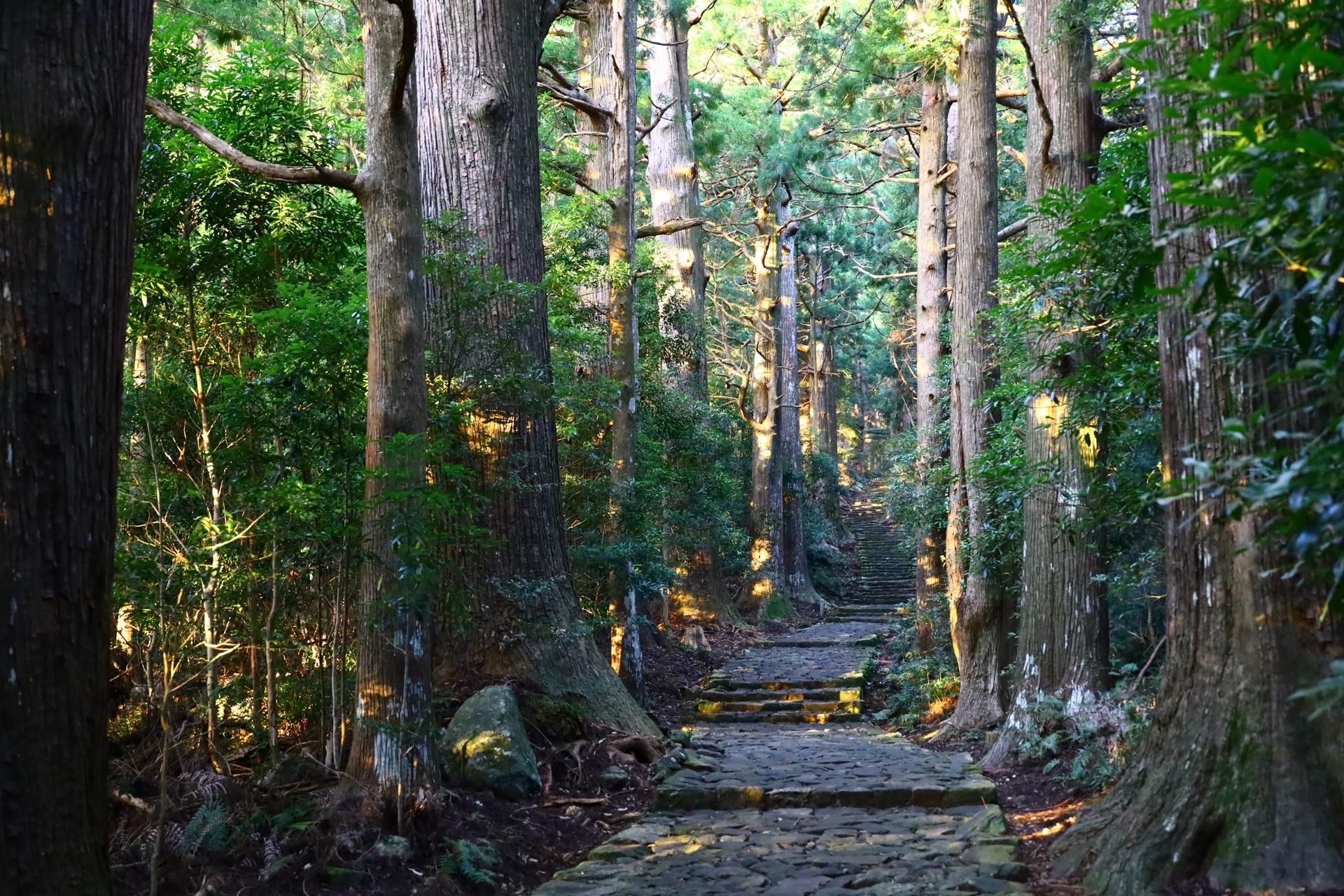
Image: 熊野古道中辺路 大門坂 (via (公社)和歌山県観光連盟)


