 LOCAL FIT KUMANOBack to list
Think of Kumano Kodo Toilets by 'Scene,' Not by 'Location'
One of the surprisingly common worries before setting out on the Kumano Kodo is where to find a toilet. The short answer: it's not unusual to walk long stretches of the old road with no toilets at all. Unlike in town, you can't assume you'll find one around the next corner—so it's best to factor it into your plan before you leave.
Conditions differ from section to section, and facilities and their operating hours can vary. Rather than listing individual facilities, this article organizes the way to think about it: at which point in your walk should you look, and how?
Scene ①: Before Departure — Always Go Near the Trailhead
The single most important toilet break is the one you take before you start walking.
Where to Look
- Around the train station or bus stop where you begin
- Hubs where people gather, such as tourist information centers or roadside stations (michi-no-eki)
- Parking areas or rest spots near the trail entrance
Public toilets are often well-maintained at these kinds of hubs. That said, not every trailhead has one. Rather than searching once you've arrived at the entrance, make it a habit to go at the hub just before. You'll avoid a last-minute scramble.
Scene ②: Along the Way — Pause Just Before Entering a Pass or Mountain Trail
Before heading into mountain sections like a pass crossing, think of it as your last chance.
- Before you start climbing, check a map or official guide for the next reliably available toilet
- Some oji shrine ruins and rest areas have toilets nearby, but don't assume they will
- When in doubt, prioritize going now
At rest spots along the old road, it can be hard to tell from map symbols alone whether a toilet is available. Checking materials from the local municipality or tourism association in advance is the safest bet.
Scene ③: After You Arrive — Plan Around the Facilities at Your Endpoint
It's also worth checking what will be available as soon as you finish walking.
- Around the station or bus stop at your destination
- Along shrine or temple approaches and precincts
- Restaurants or hot spring facilities you plan to stop at
If your return bus or train has no time to spare, things get rushed. Build in enough slack to use the toilets at your destination comfortably.
What to Bring
- Tissues and wet wipes: In case none are provided.
- A small plastic bag: Always pack out your trash.
- A portable toilet: Ideally you won't need it, but carrying one as a safety net brings peace of mind.
- Small change: Some facilities ask for a donation or cooperation fee.
Manners to Keep in Mind
The Kumano Kodo is a pilgrimage route, and it runs right alongside the lives of local residents and the surrounding forest. Out of respect for the environment and this sacred setting, please avoid relieving yourself at the roadside or in the woods. If it's truly unavoidable, use a portable toilet and carry everything out.
How you hydrate matters too. Holding back on water puts a strain on your body, so once you know where the toilets are, drink regularly along the way.
In Summary: Toilets Are Part of Preparing to Walk with Peace of Mind
Thinking about Kumano Kodo toilets becomes easier when you break it into three scenes: go before you depart, check before the mountain sections, and plan for your arrival point. For precise locations, check the latest information on the official map for your section or at a tourist information center. With toilet worries out of the way, you can fully take in the stillness of the cedar groves and the feel of the stone-paved path.
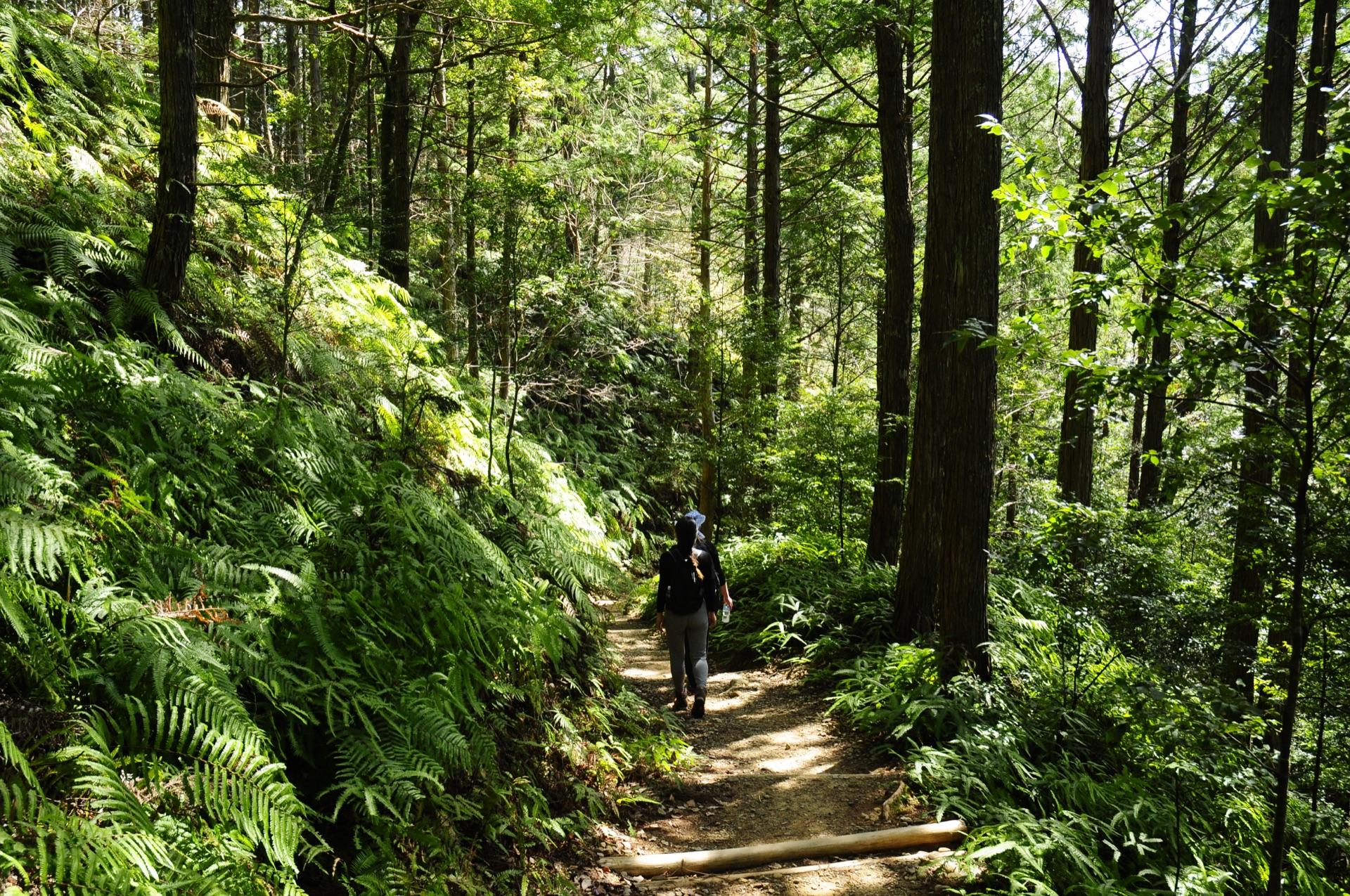
Image: 熊野古道中辺路 (via (公社)和歌山県観光連盟)


