 LOCAL FIT KUMANOBack to list
Why the Kumano Kodo Is Called Spiritual
Many people who search for "Kumano Kodo spiritual" are probably looking less for the names of power spots and more for that sense of the heart settling as you walk.
Kumano has long been known as a "land of rebirth," where people have walked long distances to offer their prayers for centuries. Moss-covered stone paths, tall straight cedars, the sound of mountain streams — these surroundings quietly still the noise in your everyday mind. Before searching for unseen powers, noticing your own footsteps and breath is the true entrance to this trail.
You Don't Need to Rush to "Feel Something"
When we hear "spiritual experience," we tend to brace ourselves, thinking we must feel something extraordinary. But on the Kumano Kodo, there is no right way to feel.
- The sunlight filtering through the trees was so beautiful that you stopped in your tracks
- You caught your breath at a mountain pass, and for a moment, your mind went blank
- You naturally put your hands together in prayer at a small shrine at an oji site
Small moments like these are enough. Even if there is a day when you feel nothing at all, that too is part of the journey. Sometimes the experience quietly sinks in only after you have finished walking.
Three Mindsets to Settle Before You Walk
1. Enter with an "Excuse me for intruding" Attitude
Before being a tourist attraction, the old road is still a path of faith and a path used in the daily lives of locals. At shrines, temples, and oji sites, a small bow before passing through is thoughtful enough. Refrain from loud voices or noisy music, and think of the stillness itself as part of the surrounding landscape.
2. Don't Pack Your Schedule Too Tightly
Even on a short section, leave margin in your plan that includes time to stop. Take a photo, drink some water, just sit for a while. These "pauses" make it easier to receive the spiritual atmosphere.
3. Be Aware That This Is a "Pilgrimage Path"
Along the route to Kumano Hongu Taisha, there are places like Hosshinmon-oji, whose name contains the word *hosshin* (the arising of the aspiration to seek the Buddhist path). Knowing what a name means can change how the same scenery looks to you. Before setting out, I recommend reading up on just one oji or local legend along your route.
How to Walk and Savor the Stillness
- Make time to walk alone: Even in a group, try walking without conversation for a while — the layers of sound around you will change.
- Use your senses one at a time: The feel of stones underfoot, the scent of cedar, the sound of water, the touch of air on your skin — be aware of each in turn.
- Slow your pace: Don't hurry. A pace at which your breath stays even is about right.
- Minimize smartphone use: Carrying it for maps and communication is important, but turning off notifications keeps your mind from scattering.
Gear and Safety Are Also Part of "Peace of Mind"
It is precisely on a spiritual journey that preparation for the trail and the weather matters. Non-slip shoes, rain gear, drinks, and a plan that gets you to your destination before dusk. Because your safety is secured, you can walk with an open heart. When you have concerns about your condition or the weather, choosing to turn back or shorten the route is also a fine form of pilgrimage.
How to Spend the Afterglow of Your Walk
Once you have finished walking, relax your body slowly at an onsen or your lodging, and jot down a few short notes about what you felt. Writing not about "what you saw" but about "how you felt" brings the journey back to you when you read it later.
The spiritual appeal of the Kumano Kodo is not about obtaining something special, but about how you yourself grow quieter as you walk. Start with a short section, relax your shoulders, and take it one step at a time. The road is always ready to welcome you.
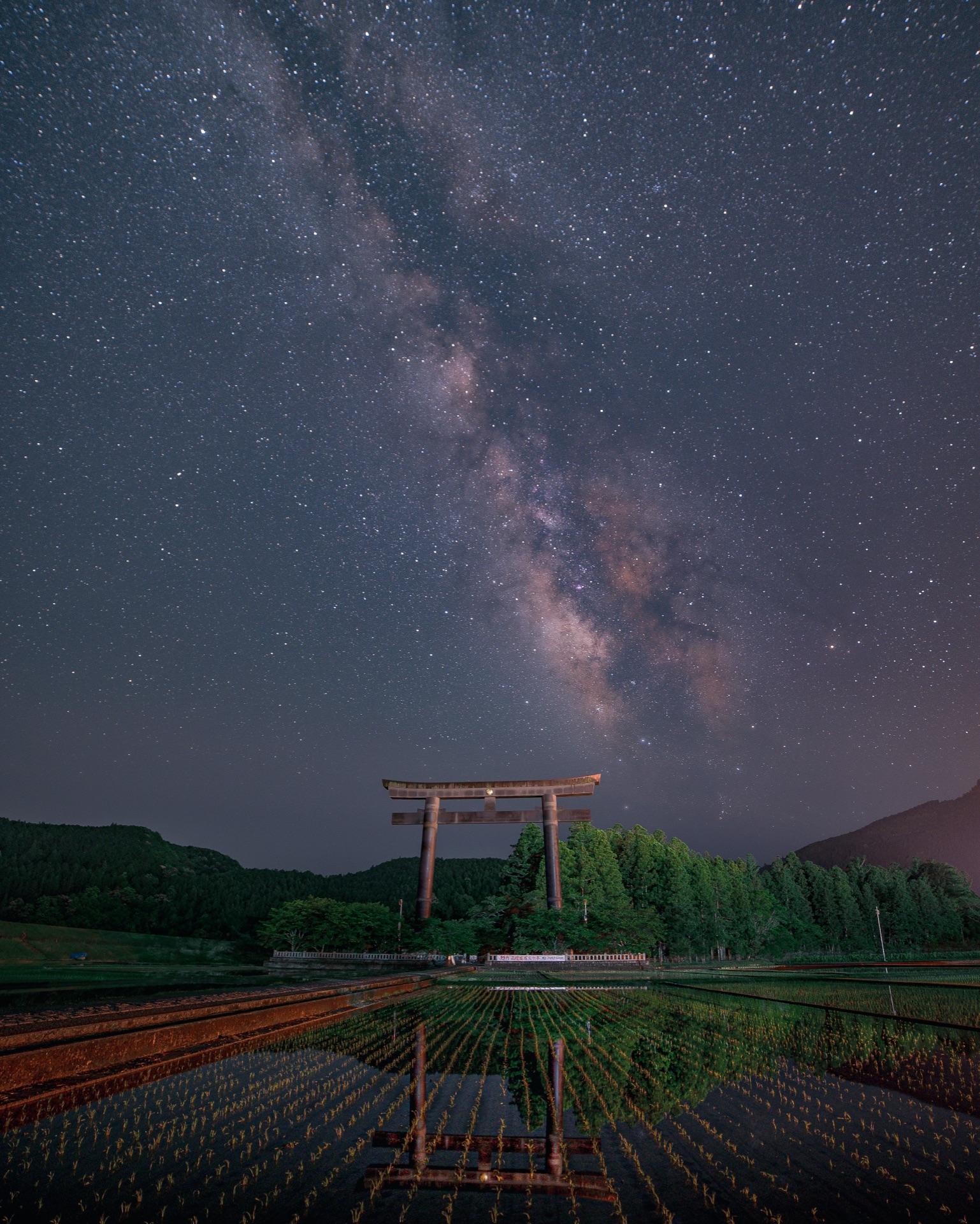
Image: 大斎原 (via (公社)和歌山県観光連盟)


