 LOCAL FIT KUMANOBack to list
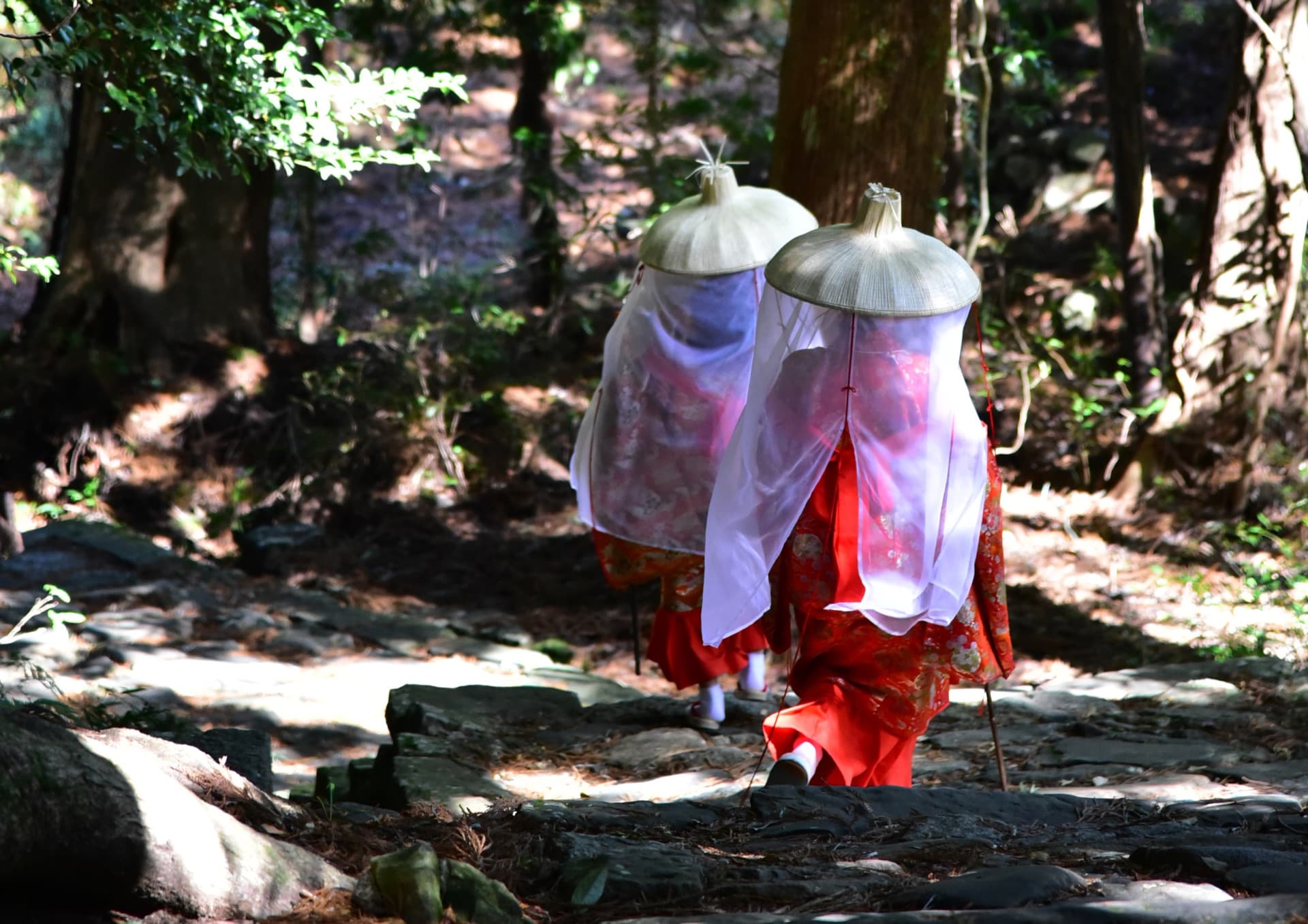
Can You Walk the Kumano Kodo in Sneakers? First, Know the Terrain
"I don't own hiking boots — are sneakers okay for the Kumano Kodo?" is a question we hear often. The short answer: for shorter sections or well-maintained pilgrimage paths, sneakers are often perfectly fine. That said, not just any pair will do.
The Kumano Kodo may look like a single trail, but it shows many faces. Some sections are paved with stone slabs or stone steps; others are soft dirt paths covered in fallen leaves, mountain trails crossed by tree roots, or paved roads winding through villages. Difficulty varies by section, so choose your shoes by working backward from the terrain you'll actually encounter.
3 Things to Check When Walking in Sneakers
1. Sole Tread and Firmness
Flat-soled sneakers made for city walking can slip easily on stone paths or damp earth. Look for deeper grooves in the sole, and a certain firmness when you bend the toe or heel. Even running shoes can be reliable allies if they have trail-oriented grip.
2. Fit Around the Ankle
On downhill sections, your foot tends to slide forward and bruise your toes. Choose a lace-up pair you can retighten, and simply re-tying them at each rest stop can make a noticeable difference in how tired your feet feel.
3. Preparing for Rain and Moisture
Kumano is a rainy region. Even on sunny days, shaded stone paths and mossy spots can stay damp. Water-resistant shoes and a spare pair of socks help prevent cold feet and blisters.
"Sneaker-Friendly Days" vs. "Days to Avoid Them"
| Conditions | Guideline |
|---|---|
| Stable weather, mainly short walks | Sneakers are comfortable |
| After rain, or several days of rain | Non-slip trekking shoes are safer |
| Mountain trails or longer sections | Hiking shoes with ankle support suit best |
| Slow walks with lots of photo stops | Choose thicker soles for less fatigue |
Even on the same Kumano Kodo, the right choice shifts with the weather and distance. When in doubt, pick "slightly sturdier shoes" — you'll be free to focus on the scenery.
Beyond Shoes: Preparing Your Feet
- Socks: Instead of 100% cotton, choose quick-drying synthetics or wool blends. They help prevent sweat chill and blisters.
- Insoles: Swapping in cushioned insoles softens the hardness of stone paths.
- Bandages & tape: Apply them to blister-prone spots before you set out, just in case.
- Spare socks: Simply changing into dry socks at a rest area can refresh both your feet and your mood.
Break Them In Before You Travel
We don't recommend wearing brand-new sneakers straight to the trail. In the days before your trip, walk around local hills or parks to check for any rubbing spots. It's also worth checking whether your toes bump the front on downhill slopes.
Caring for Your Feet After the Walk
Once you finish walking, lightly knock the mud off your shoes, remove the insoles, and let everything dry in a well-ventilated spot. Soaking your feet in a hot spring is a wonderfully Kumano way to unwind. Not carrying fatigue into the next day is part of a good journey, too.
In Summary: Your Shoes Are a Form of Respect for the Path
The Kumano Kodo is a sacred path walked by pilgrims for centuries. You don't need elite gear — but caring for what's on your feet lets you take in the views and air at a relaxed pace. If you're walking in sneakers, keep three things in mind: grip, fit, and rain readiness. With those covered, you can enjoy your time on the ancient path with peace of mind.
Image: 熊野古道中辺路 大門坂 (via (公社)和歌山県観光連盟)


